Most articles about matcha cover the basics: what it is, where it comes from, and how to whisk it. But if you already know that matcha is a green tea powder from Japan, what you really want to understand is why it matters for your health, how much to drink, and how to make it part of your daily life. That is exactly what this guide covers, with a focus on Ito En matcha powder, one of the most accessible and trusted options on the market today.
- Quick Overview of Ito En Matcha Powder
- What Makes Matcha Different from Regular Green Tea?
- Key Nutrients in Ito En Matcha Powder
- Science-Based Health Benefits of Ito En Matcha
- Calm, Focus, and Mindfulness: L-Theanine & Caffeine
- Weight Management, Metabolism, and “Detox” Support
- How Much Ito En Matcha Powder to Drink Safely Each Day
- How to Prepare Ito En Matcha Tea (Hot & Iced)
- Culinary Ideas: Using Ito En Matcha in Food & Drinks
- Comparing Ito En Matcha Powder to Bottled Tea and Tea Bags
- Precautions, Side Effects, and Who Should Avoid Excess Matcha
Quick Overview of Ito En Matcha Powder

Ito En matcha is a finely milled japanese matcha powder made from shade-grown tea leaves, delivering full-body health benefits, a rich aroma, and vibrant green color in every cup. It is a pure, unsweetened matcha powder with no added sugar, added color, or artificial flavors. Ito En is a well-known Japanese tea company offering reliable matcha products, and their green tea powder is available in multiple sizes, including a 2-ounce tin priced at $18.99 and a larger 12-ounce package at $45.00.
The brand’s matcha green tea line includes the popular Oi Ocha Organic Matcha Powder and the Matcha Love single-serve unsweetened sticks. Each product contains only one ingredient: 100% Japanese matcha. With a 4.5 out of 5 star rating from 1,535 customers who rated Ito En Matcha on Amazon, it is often considered one of the best widely available budget matcha brands for daily consumption.
You may already be familiar with Ito En’s bottled Oi Ocha matcha green tea drinks or their matcha tea bags. Those are convenient, but the powder format is where the real depth of flavor and nutrition lives. Bottled tea is diluted and pre-brewed; tea bags often blend sencha with small amounts of matcha. The focus of this article is the powder itself, its health benefits, and how to use it in everything from a quiet morning cup to smoothies, lattes, and desserts.
At Discovery Japan Mall, we ship Ito En matcha products directly from Japan so customers in other countries can enjoy the same authentic taste that Japanese consumers trust every day.
What Makes Matcha Different from Regular Green Tea?
The difference between matcha and regular green tea like sencha comes down to one fundamental fact: when you drink matcha, you consume the entire tea leaf. Regular green tea involves steeping green tea leaves in hot water, then removing the leaves. Most of the fiber, fat-soluble vitamins, and a significant portion of polyphenols stay trapped in the discarded leaf. With matcha, the leaf is stone-ground into a fine powder and whisked directly into water, so nothing is lost.
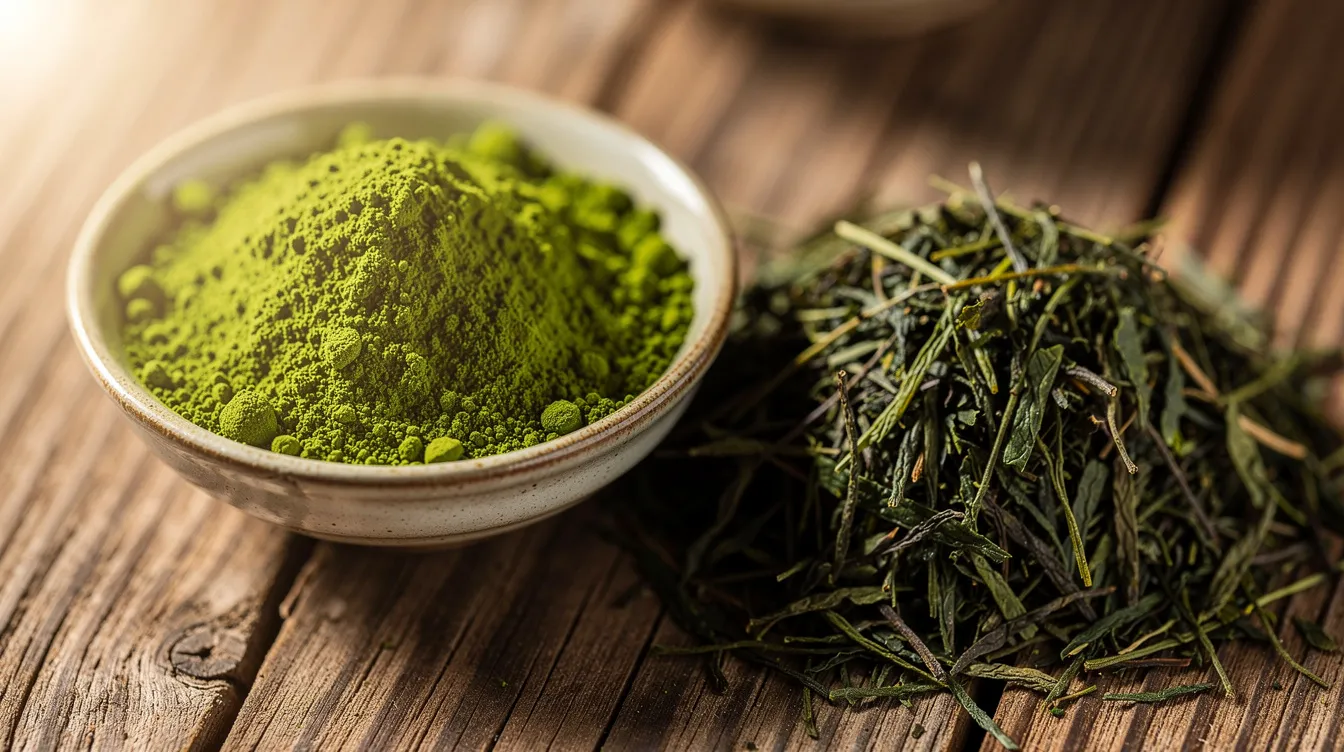
Matcha starts its life as tencha, a special category of tea grown under shade cover for roughly 20 to 30 days before harvest. This “covered culture” technique limits photosynthesis, which causes the plant to produce significantly more chlorophyll and retain higher concentrations of amino acids, especially L-theanine. The result is a leaf with deeper green color, stronger umami, and less bitterness compared to sun-grown tea.
After harvest, tencha leaves are steamed, de-veined, de-stemmed, dried, and then slowly stone-milled into an ultra-fine powder. This is how high-quality matcha is made from finely milled Japanese green tea leaves. The quality of any matcha is indicated by its vibrant color and fine texture, and Ito En’s japanese matcha powders follow this traditional shade-growing and milling process, similar to methods used in renowned tea regions like Uji and Nishio.
Think of it this way: brewing sencha is like making broth from vegetables and then throwing the vegetables away. Drinking matcha is like blending the entire vegetable into a smoothie. That whole-leaf, shade-grown difference is the foundation for every health benefit discussed below.
Key Nutrients in Ito En Matcha Powder
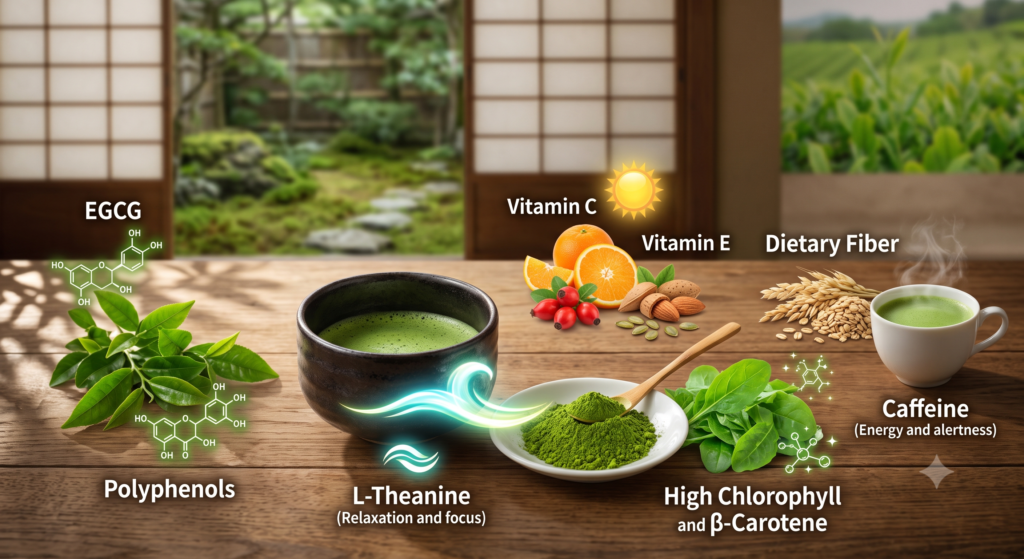
Because you consume the entire leaf, matcha green tea is a concentrated source of beneficial compounds that you simply cannot get from steeped green tea in the same quantities. Here are the key nutrients that make Ito En matcha powder worth understanding.
Catechins and polyphenols are the primary antioxidants in matcha. EGCG (epigallocatechin gallate) is the most abundant catechin and has been widely studied for its role in neutralizing free radicals, protecting cells from oxidative damage, and supporting overall cellular health. Matcha provides antioxidants that may reduce oxidative stress at meaningful levels because of whole-leaf consumption.
L-theanine and amino acids are what set matcha apart from coffee and most other teas. Matcha contains L-theanine, promoting relaxation and focus simultaneously. Shade cultivation dramatically increases theanine concentration in the leaf, which is why matcha delivers that characteristic calm alertness rather than the jittery spike of coffee. Ito En’s functional-food matcha products in Japan provide approximately 50 mg of theanine per serving.
β-carotene and chlorophyll give matcha its signature deep green hue. Shade-grown japanese matcha like Ito En’s has notably higher chlorophyll content than standard green tea leaves, contributing both to the vibrant color and to additional antioxidant activity.
Vitamin C and vitamin E are both present in matcha. Vitamin C supports immune function and skin repair, while vitamin E acts as a fat-soluble antioxidant. These work synergistically with catechins to provide layered protection against oxidative stress.
Dietary fiber is a benefit unique to whole-leaf consumption. While the amount per serving is modest, regular matcha drinking contributes meaningful fiber intake over time, supporting gut regularity.
Caffeine in matcha is moderate. Matcha has about 70 mg of caffeine per serving, roughly comparable to a small cup of coffee but delivered alongside L-theanine, which smooths out the energy curve and prevents the crash many coffee drinkers experience.
Science-Based Health Benefits of Ito En Matcha
The health benefits described here are suggested by Japanese tea research and traditional use. Matcha is not a medicine, and these effects are best understood as supportive contributions to overall wellness when combined with a balanced lifestyle.
Antioxidant and anti-aging support. The high concentration of catechins, chlorophyll, vitamin C, and vitamin E in matcha creates a powerful antioxidant profile. These compounds are thought to help neutralize reactive oxygen species that contribute to cellular aging, skin damage, and inflammation. Japanese educational materials on matcha consistently list antioxidant activity as a core benefit, and research published in peer-reviewed journals supports the connection between green tea polyphenols and reduced oxidative stress markers.
Metabolism, fat oxidation, and gentle detox support. The combination of catechins and caffeine has been studied for its potential to slightly increase resting energy expenditure and support fat oxidation during mild to moderate exercise. Drinking matcha can enhance metabolism and aid weight loss when paired with consistent movement and a balanced diet. Some traditional Japanese sources also note that matcha’s bitter compounds may support digestion, promote regular elimination, and assist the body’s natural detoxification processes.
Heart and lifestyle disease prevention potential. Consuming matcha can improve heart health by lowering cholesterol, according to cohort studies conducted in Japan that associate regular green tea intake with reduced cardiovascular risk. These findings are promising but should be interpreted as supportive evidence rather than guaranteed outcomes.
Immune and skin health support. The combination of vitamin C, vitamin E, β-carotene, and polyphenols supports immune cell function and skin barrier integrity. These are not dramatic effects but rather steady, cumulative contributions to resilience when matcha is consumed regularly over time.
Gut health support. The small amount of dietary fiber from whole-leaf consumption, combined with bitter polyphenolic compounds that may stimulate digestive enzymes and bile flow, can contribute to a more favorable digestive environment. Some users report gentler digestion from matcha compared to coffee at similar caffeine levels.
Calm, Focus, and Mindfulness: L-Theanine & Caffeine
What makes matcha genuinely different from coffee is not just the caffeine content but how that caffeine is delivered. L-theanine promotes alpha brain wave activity, which is associated with a state of relaxed alertness. Combined with caffeine’s stimulant properties, the result is steady, focused energy without the jitteriness or crash that many coffee drinkers know too well. This is why many people use matcha tea before studying, creative work, or meditation.
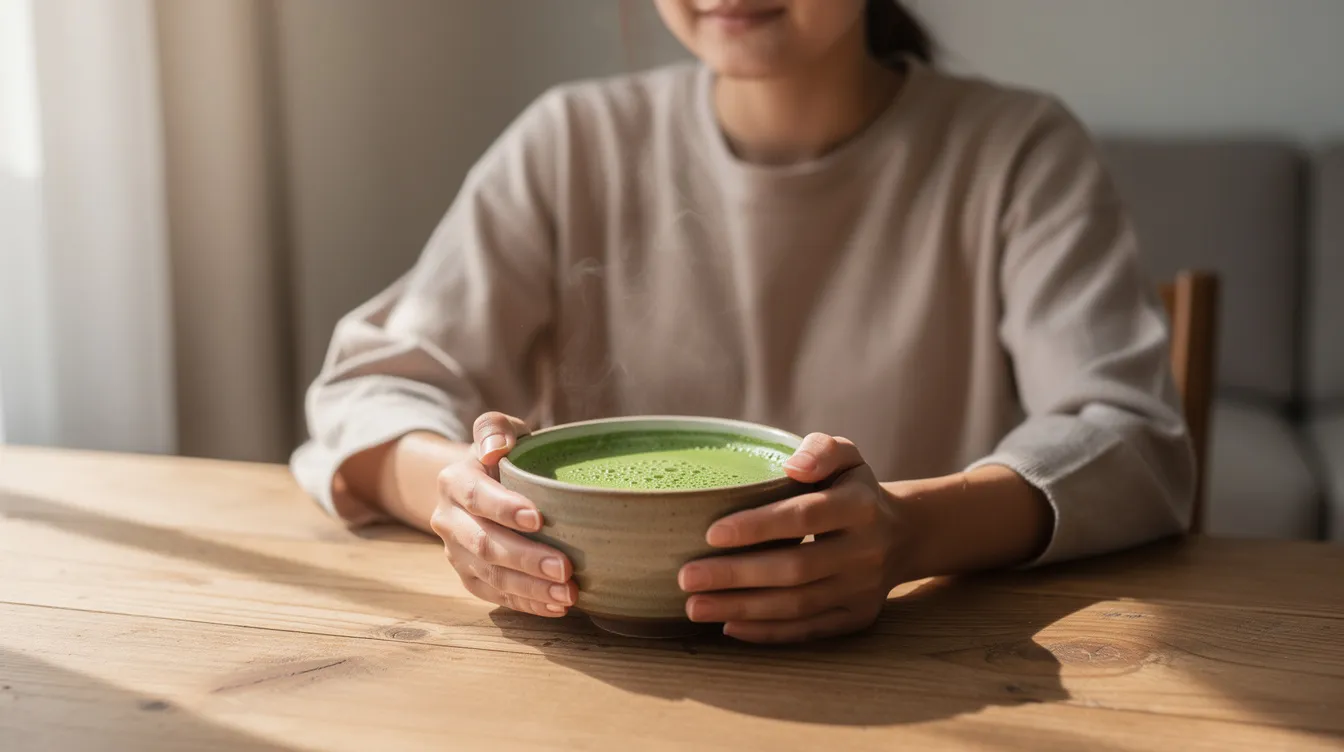
The act of preparing matcha itself carries centuries of mindfulness tradition. In Japan’s tea ceremony, the simple ritual of measuring powder, whisking with a bamboo whisk, and watching the foam form is a deliberate practice of presence and calm. Even at home with Ito En matcha powder and a basic frother, you can create a daily window of intentional stillness. Sifting the fine powder, pouring warm water, and whisking until creamy is a refreshing break from the pace of a busy morning, especially when accompanied by your favorite Mariya Takeuchi music releases.
This combination of biochemical calm and ritual mindfulness is something no energy drink or quick-brew tea bag can replicate. It is one of the most compelling reasons matcha has spread from Japanese monasteries to kitchens around the world.
Weight Management, Metabolism, and “Detox” Support
Many customers choose matcha green tea powder to support diet and wellness routines. The evidence is real, but expectations should stay grounded. Results always depend on overall lifestyle, including diet, movement, sleep, and stress.
Several Japanese studies on green tea and matcha suggest that catechins paired with caffeine can slightly increase energy expenditure, support fat oxidation during exercise, and help reduce fluid retention. These are modest effects, not dramatic transformations. Where matcha offers a clearer advantage is as a replacement for sugary beverages. Ito En’s unsweetened powder is extremely low in calories, at roughly five calories per serving, and the unsweetened powder is flexible for drinks and recipes without adding empty sugar.
The concept of “detox” is popular but often overstated. Matcha may support the body’s natural detoxification pathways through antioxidant protection and digestive stimulation, but it is not a purification shortcut. The most honest approach is to use matcha as a delicious, supportive part of a sustainable routine rather than expecting rapid results from overconsumption.
How Much Ito En Matcha Powder to Drink Safely Each Day
For healthy adults, a reasonable guideline is about 1 to 2 grams of matcha powder per serving, which translates to roughly half a teaspoon to one teaspoon. Drinking this amount two to three times a day, for a total daily consumption of 2 to 6 grams, is a common range for regular matcha drinkers in Japan. Ito En’s own functional-food matcha products correspond to approximately 3.4 grams per day.
A maximum of about four to five thin cups of matcha tea per day is a safe upper boundary for most people. Beyond that, the caffeine and catechin load may cause nervousness, rapid heartbeat, stomach discomfort, or sleep disturbance. Avoid strong matcha drinks in the evening, as caffeine may interfere with sleep quality.
People sensitive to caffeine, pregnant or breastfeeding women, and individuals with specific medical conditions or taking medication should reduce intake or consult a healthcare professional before making matcha a daily habit. The general principle is simple: a little every day is better than sudden excess. If you are also drinking coffee or energy drinks, factor that caffeine into your total.
How to Prepare Ito En Matcha Tea (Hot & Iced)
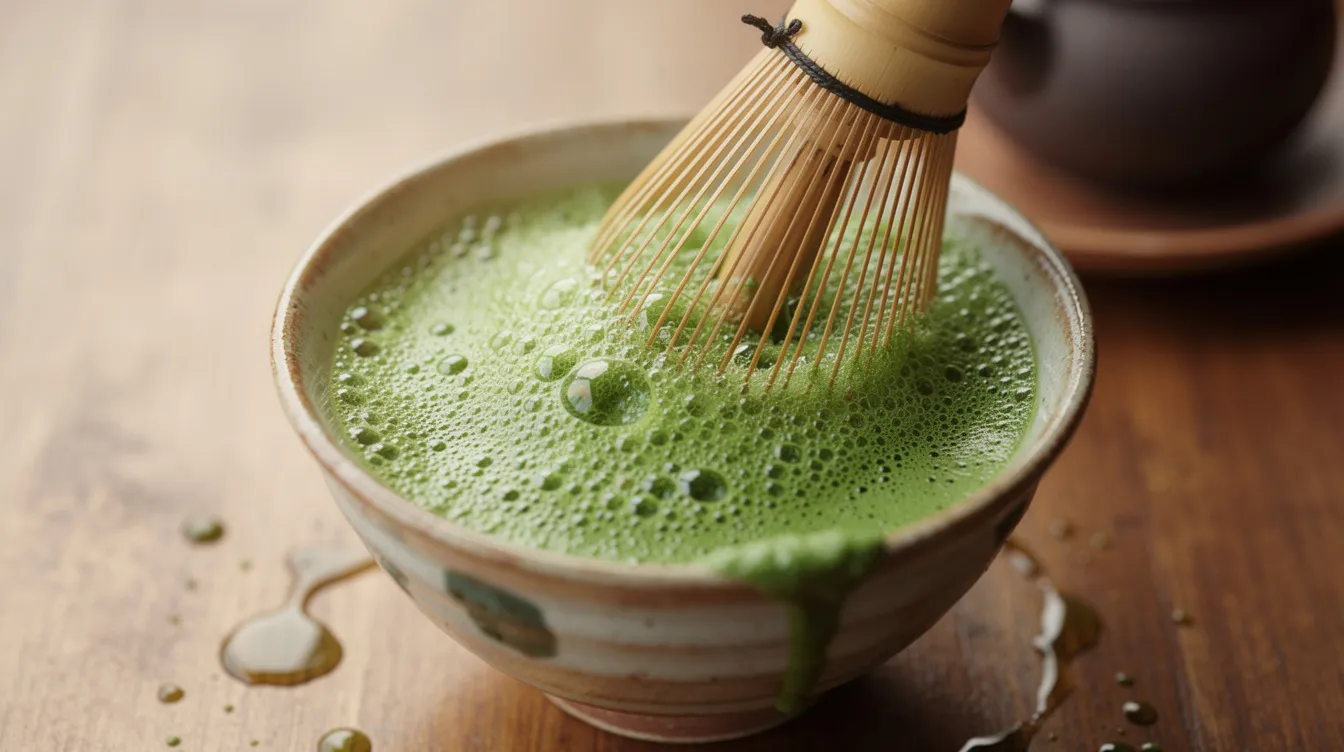
Preparing great tea from Ito En matcha powder is straightforward, even without traditional ceremony tools. For hot matcha, start by sifting 1 to 2 teaspoons of matcha powder into a bowl or wide cup to break up any clumps. Add a small splash of hot water at about 175°F, which is below boiling water temperature, and use a whisk or fork to work the powder into a smooth paste. Then add the remaining water, about 60 to 80 milliliters total, and whisk vigorously until a frothy layer forms on top. The key is keeping the water temperature below boiling, as excessive heat draws out bitterness and destroys some vitamin C.
For iced matcha, mix 1 teaspoon of matcha powder with hot or cold water, about 50 milliliters, until dissolved. Pour over a glass filled with ice, top with cold water or plant milk like oat or almond milk, and stir. You can also shake it in a sealed bottle for a quick, refreshing cold drink. This method of hot or cold brewing makes Ito En matcha adaptable to any season.
Ito En matcha dissolves well for everyday drinks, which is one reason it tastes great even without ceremonial-grade preparation. Start with thinner, milder matcha and adjust the strength to your taste and caffeine tolerance over time.
Culinary Ideas: Using Ito En Matcha in Food & Drinks
Ito En matcha powder is not just for tea. It is a versatile ingredient for both sweet and savory cooking. Matcha can be used in smoothies, lattes, and baked goods with equal success, making it easy to enjoy alongside Tatsuro Yamashita albums and merchandise for a relaxing café-style atmosphere at home.
For making lattes, combine one teaspoon of matcha with a small amount of warm water to make a paste, then pour in steamed oat or almond milk and sweeten lightly with honey or maple syrup. Matcha lattes are one of the most popular ways to enjoy matcha outside Japan. For a green breakfast smoothie, blend one teaspoon of matcha with banana, spinach, yogurt, and a splash of milk for a nutrient-dense start to the day.
Matcha yogurt or overnight oats are equally simple: stir matcha and a touch of sweetener into plain yogurt, chia pudding, or soaked oats for a vibrant, tasty breakfast. For baking, add one to two tablespoons of matcha per batch of cookies, pound cake, or muffins. The powder adds a distinctive earthy flavor and beautiful color, though some vitamin C may be reduced by heat. Matcha ice cream, matcha green preserves, or simply sprinkling matcha powder over vanilla ice cream creates an effortless dessert. On the savory side, matcha salt, a mix of fine matcha powder with sea salt, makes a delicious seasoning for tempura or roasted vegetables.
Compared with generic culinary matcha powders, Ito En’s unsweetened green tea powder offers a bright vibrant color and clear, authentic taste even after heating, which is why so many recipe creators reach for it.
Comparing Ito En Matcha Powder to Bottled Tea and Tea Bags
Ito En offers matcha across several formats, and understanding the differences helps you choose the right product. The matcha powder in bags or tins, which is unsweetened and sometimes organic, gives maximum control over strength and the highest intake of leaf components. Oi Ocha bottled matcha green tea drinks, like the Ito En Oi Ocha Cold Brew Matcha 12-pack at $17.99, are ready-to-drink and convenient for on-the-go use, but they are diluted and pre-brewed. Matcha green tea bags, priced at $9.99 for 20 bags, blend sencha with matcha powder and are designed for steeping rather than full-leaf consumption. Ito En also offers a Matcha Milk Tea 12-pack at $30.33 for a sweeter, creamier experience.
Ito En matcha is recommended for everyday use rather than traditional tea preparation alone, and it is frequently rated superior to budget brands for smoother texture and better color. Many customer reviews praise the clean flavor and authentic Japanese taste. Ito En matcha emphasizes consistency, affordability, and availability, which makes it an excellent entry point. If you already enjoy Oi Ocha bottled tea or sencha tea bags, the powder is a natural next step to experience japan’s finest green tea in its most concentrated, benefit-dense form.
Precautions, Side Effects, and Who Should Avoid Excess Matcha
Ito En matcha green tea powder contains caffeine and potent catechins, so moderation matters. People with caffeine sensitivity, insomnia, arrhythmia, or certain heart conditions should limit their intake carefully. Pregnant and breastfeeding women should consult healthcare professionals before making matcha a regular habit. Individuals taking specific medications for blood pressure, blood thinners, or liver function also need professional guidance before increasing their matcha consumption.
Possible mild side effects of overconsumption include nervousness, rapid heartbeat, stomach upset, loose stool, or difficulty sleeping. These are far more likely if someone drinks very strong matcha or combines it with multiple other caffeinated beverages throughout the day. Staying within the recommended range of two to three servings daily, and avoiding matcha in the evening, is usually enough to prevent any issues.
The information in this article is educational and based on Japanese tea research and traditional knowledge. It is not intended as medical diagnosis, prescription, or treatment advice. This content is not ai generated medical guidance. If you have specific health concerns, please consult a qualified healthcare professional.


Comments