- What Is J-Pop? (Quick Answer for New Listeners)
- A Brief History of Japanese Pop (From Kayōkyoku to Modern J-Pop)
- Key Characteristics of J-Pop and Idol Culture
- Hikaru Utada: Global Gateway to Japanese Pop
- Morning Musume and the Idol Group Revolution
- Other Landmark J-Pop Artists to Explore
- New-Generation and Genre-Blending J-Pop Artists
- How to Start Listening to J-Pop (and Collecting It from Abroad)
What Is J-Pop? (Quick Answer for New Listeners)
J-Pop – short for Japanese pop – is Japan’s mainstream pop music scene, and it covers far more ground than most newcomers expect. From choreographed idol groups and solo singer-songwriters to rock-leaning bands and anime theme song specialists, J-Pop artists represent one of the most diverse and productive music ecosystems in the world.
Japan is the second-largest music market after the U.S., which means the country produces a staggering volume of songs, albums, and music videos every year. While physical media like CDs and DVDs still play a major role in this country, streaming platforms have opened the door for international audiences to discover Japanese pop for the first time.
When people search for “J-Pop artists,” they might mean idol groups like Morning Musume or AKB48, genre-defying acts like YOASOBI, or a Japanese artist like Hikaru Utada whose voice has soundtracked video games and anime for decades. Here are a few key takeaways to orient yourself:
- J-Pop is both a genre and a culture – sound, visuals, and fan engagement are inseparable.
- Idol culture is a major branch of J-Pop focused on performer relationships and visual appeal.
- Anime tie-ins play a significant role in J-Pop by providing worldwide exposure for artists.
- Physical releases (limited editions, photobooks, bonus DVDs) remain highly collectible.
A Brief History of Japanese Pop (From Kayōkyoku to Modern J-Pop)
J-Pop originated in the 1960s with kayōkyoku, a post-war style that blended Western orchestration with Japanese musical traditions heard on radio broadcasts across the country. The genre’s earliest sign of global potential came when Kyu Sakamoto’s “Sukiyaki” topped American charts in 1963, spending three weeks at No. 1 on the Billboard Hot 100 – a feat no other Japanese language song has matched since.
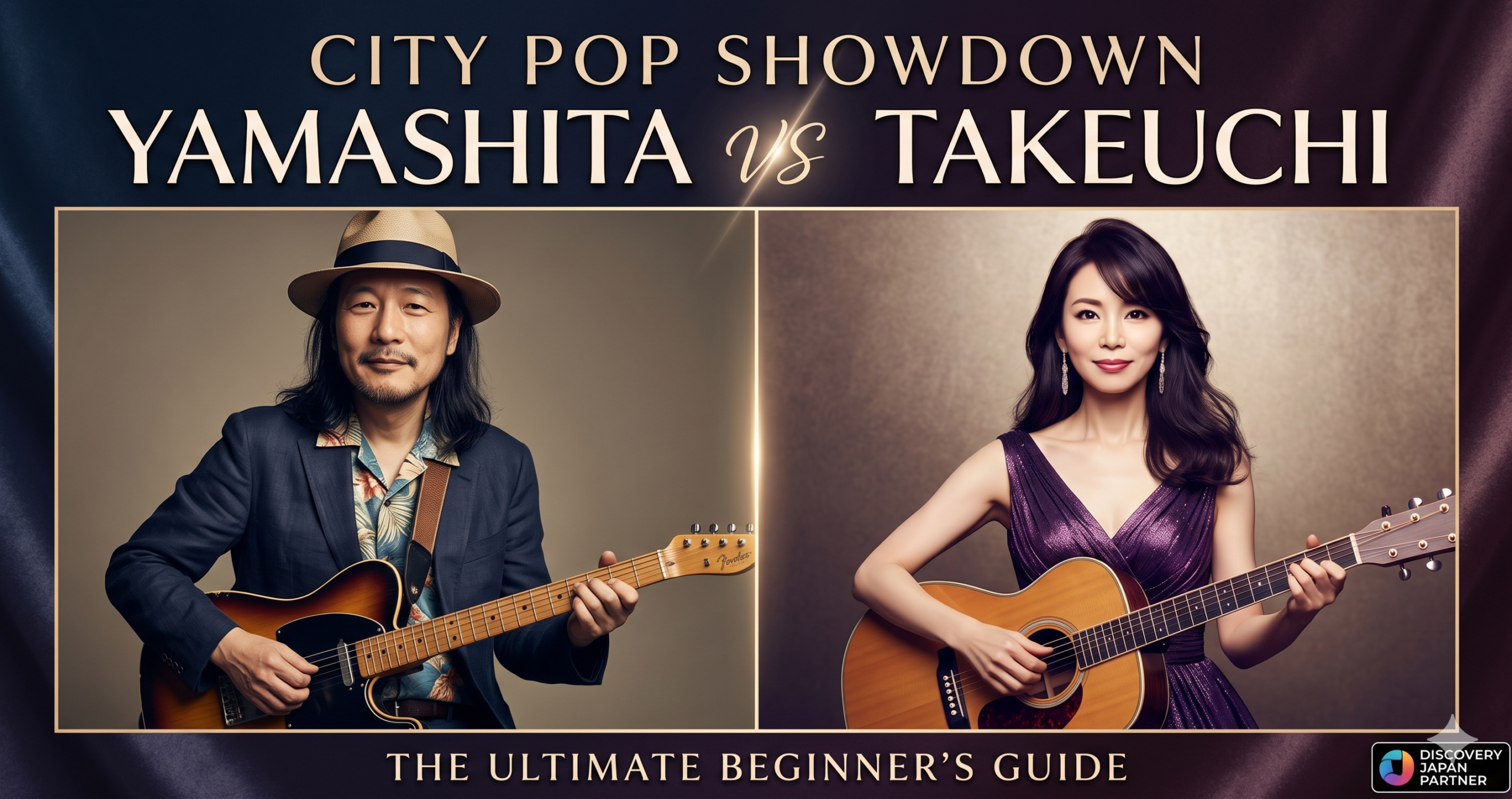
Through the 1970s, J-Pop was influenced by bubblegum rock and the rising city pop movement. City pop – championed by artists like Tatsurō Yamashita and Mariya Takeuchi – drew inspiration from soft rock, disco, jazz, and funk, creating a lush, urban sound that defined a decade. Takeuchi’s “Plastic Love” (1984), originally a modest hit, became an internet sensation decades later, and collectors can explore Mariya Takeuchi CDs and merchandise, proving that classics can find new life on YouTube.
By the late 1980s, media began using the term “J-Pop” to distinguish a new generation of pop music from its kayōkyoku roots. J-Pop evolved into a mainstream cultural powerhouse in the 1990s, with bands like Mr. Children dominating Oricon charts and idol agencies like Johnny & Associates refining the idol concept. In the 1990s, J-Pop gained popularity with artists like Namie Amuro, while Hikaru Utada’s 1999 studio album First Love shattered sales records.
While the Western pop music landscape of the late 1990s was shaped by acts like the Spice Girls, Backstreet Boys, Mariah Carey, Savage Garden, Smash Mouth, Paula Cole, Crystal Waters, Shania Twain, and White Town, Japan’s own charts were experiencing a parallel revolution just as explosive. The key difference? J-Pop historically focused on domestic fans and physical sales, while K-Pop targeted global audiences early. Streaming and anime have since pushed J-Pop worldwide.

Key Characteristics of J-Pop and Idol Culture
Japanese pop is not just a sound – it’s a full ecosystem built on talent agencies, fan rituals, anime tie-ins, and distinct visual styles. Understanding these elements is essential to appreciating why J-Pop feels different from Western pop music.
J-Pop is characterized by complex melodic structures and dramatic key changes. Strong, memorable melodies and hooks are a hallmark of J-Pop songs, and high-energy polished production dominates modern J-Pop music. J-Pop blends traditional Japanese sensibilities with Western pop and electronic elements, and genre blending in J-Pop includes elements from rock, EDM, jazz, and funk. You might listen to a track that shifts from a hip hop verse to a soaring pop chorus with a bit of rap layered in – and it somehow works.
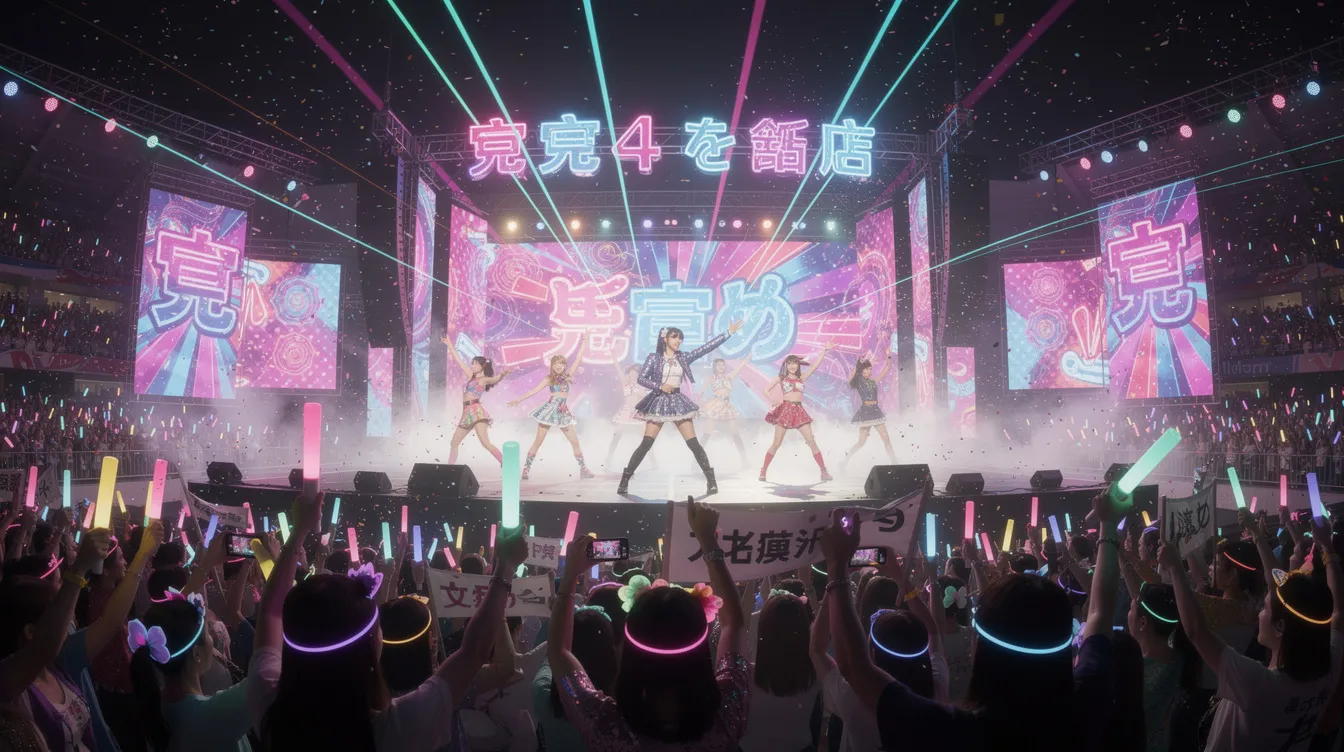
Visual identity is crucial in J-Pop, with fashion and choreography enhancing artist appeal. From school-uniform looks on baby-faced idol girls to the Harajuku-kawaii styles of solo performers, what artists wear matters as much as what they sing. Idol groups use a “growth you can watch” concept, where fans follow members through training, concerts, handshake events, and eventual “graduation.” Radwimps scored the anime film Your Name, while Official HigeDandism featured tracks in SPY x FAMILY – examples of how tie-in songs give artists life beyond the charts.
- Sound: catchy hooks, genre mix, polished studio production
- Visuals: coordinated outfits, elaborate music videos, photobooks
- Fan culture: handshake events, voting systems, limited merch drops
- Media tie-ins: anime, drama, and game themes drive global discovery
- Access for fans abroad: platforms like YouTube, streaming services, and sites like Discovery Japan Mall help international listeners experience the full J-Pop package – including piano-focused J-Pop compilations, J-Pop CDs and DVDs for international fans, and limited-edition releases.
Hikaru Utada: Global Gateway to Japanese Pop
Hikaru Utada is one of J-Pop’s best-selling artists and one of the most important bridges between Japanese pop and Western R&B. Often credited as Utada Hikaru in Japan, this singer was born in 1983 in New York, giving them a bilingual edge that would forever shape their writing and vocal delivery.
Their major-label Japanese debut single “Automatic / Time Will Tell” dropped in December 1998, and by March 1999, the album First Love had released to record-breaking demand – shipping over 7.6 million copies domestically, making it Japan’s best-selling album. Later albums like Deep River (2002) and Fantôme (2016) confirmed their staying power across every decade.
Utada’s pop-culture impact extends well beyond the Oricon charts. Their theme songs for the Kingdom Hearts game series – “Hikari / Simple and Clean” (2002), “Passion / Sanctuary” (2005), and “Face My Fears” (2019) – introduced millions of gamers worldwide to J-Pop. “One Last Kiss” (2021), the dubbed and subtitled Evangelion film’s theme, continued that tradition.
Starter tracks for new fans:
- “First Love” – signature ballad, emotional lyrics
- “Automatic” – R&B-flavored debut hit
- “Flavor of Life (Ballad Version)” – drama tie-in, massive download success
- “Beautiful World” – cinematic anime theme
- “One Last Kiss” – modern production, powerful voice
Collectors can find official Japanese editions, Blu-ray concert recordings like Laughter in the Dark Tour 2018 and the SCIENCE FICTION TOUR 2024 limited edition, through Discovery Japan Mall.
Morning Musume and the Idol Group Revolution
Morning Musume is the foundational J-Pop idol group, originally formed in 1997 by producer Tsunku under the Hello! Project umbrella. The group’s history reads like a masterclass in how idol culture operates: rotating lineups, constant renewal, and deep fan engagement.
The “graduation system” is central to their identity. Members leave and new generations join, meaning over 40 official members have passed through the group by the mid-2020s. This keeps the sound and energy fresh for audiences who have followed them for over a decade.
Their chart breakthrough came with “LOVE Machine” in September 1999, which sold over 1.6 million copies and became a J-Pop classic. The group’s music ranges from bright bubblegum pop in their golden era (1999–2002) to more experimental electro pop and dance tracks in later years, making them a versatile entry point into idol-style Japanese pop.
Starter songs:
- “LOVE Machine” – the quintessential idol pop hit
- “Ren’ai Revolution 21” – high-energy dance pop
- “The Peace!” – quirky, fun, shows range
- “Brainstorming” – modern electronic sound
Overseas fans can find official concert DVDs like ALL SINGLES COMPLETE and Morning Musume ’24 Concert Tour Spring through Discovery Japan Mall’s Japanese goods marketplace.
Other Landmark J-Pop Artists to Explore
Japanese pop is incredibly diverse. Beyond the headliners above, these artists and groups shaped or modernized the genre in ways every fan should know:
- Ayumi Hamasaki: Debuted in 1998, dubbed the “Empress of Japanese Pop.” Ayumi Hamasaki defined the fashion and aesthetic of early 2000s J-Pop with albums like Duty (2000) and I am… (2002). Her personal lyrics and visual identity inspired a generation. Starter songs: “M,” “Voyage,” “Seasons.”
- Namie Amuro: A dance-pop icon who blended R&B, hip hop, and pop across a career spanning the 1990s to 2018. Namie Amuro released 12 studio albums before retiring in 2018. Her hit “Can You Celebrate?” remains a J-Pop classic. She was a style inspiration for countless artists who followed.
- Arashi: A Johnny’s boy band formed in 1999, hugely popular across Asia. They held multiple best-selling records and went on hiatus at the end of 2020. Starter songs: “Love so Sweet,” “Happiness.”
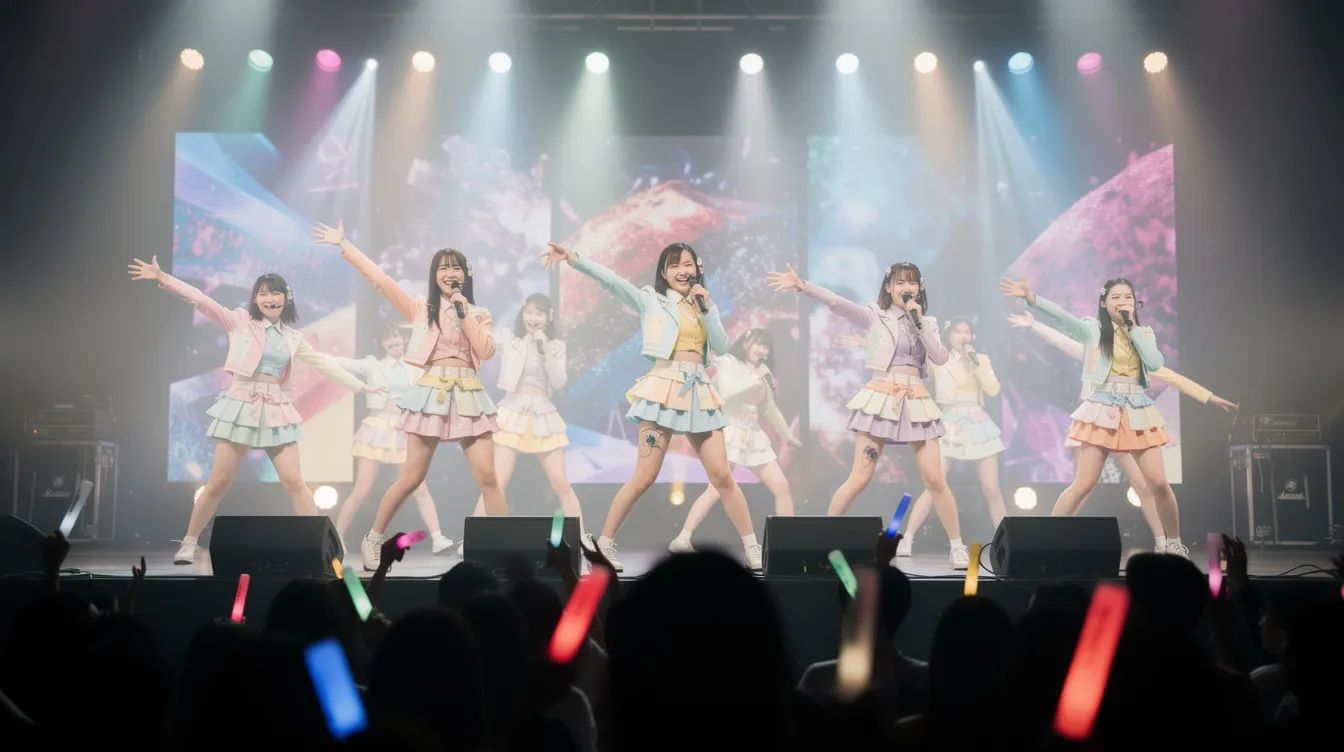
- AKB48: Debuted in 2005 with an Akihabara theater concept and massive rotating lineup, this girl group redefined large-scale idol culture. Their record-breaking single sales in the 2010s remain unmatched.
- Kyary Pamyu Pamyu: Broke out in 2011 with “PonPonPon,” bringing Harajuku kawaii visuals to global audiences via viral video. Kyary Pamyu Pamyu has released four studio albums and remains a sign of J-Pop’s visual creativity.
- Radwimps: A rock-influenced J-Pop band of four members formed in 2001, famous for the Your Name (2016) and Weathering With You soundtracks. Starter songs: “Zenzenzense,” “Sparkle.”
- Perfume: Perfume modernized J-Pop with futuristic electro pop and synchronized choreography, even incorporating virtual reality elements into their concerts.
- **BAND-MAID: An all-female rock band that has played major festivals like Lollapalooza, proving J-Pop’s reach extends into hard rock for the most part of the global festival circuit, just as Japanese design shows up in everyday items like Rhythm wall clocks and other home goods.
New-Generation and Genre-Blending J-Pop Artists
A new generation of J-Pop artists is rewriting the rules, mixing pop with rock, EDM, hip hop, Vocaloid roots, and anime culture. J-Pop shows a shift toward online discovery with the rise of streaming platforms, and these acts are leading that charge.
- YOASOBI: A duo formed in 2019 (producer Ayase and singer Ikura). YOASOBI’s music is based on short stories written online, turned into cinematic tracks. Their breakout “Yoru ni Kakeru” (2019) became one of the most-streamed J-Pop songs globally, with anime tie-ins expanding their reach.
- Official HigeDandism: A band of four members whose 2019 megahit “Pretender” held #1 on the Japanese streaming chart for 34 consecutive weeks)). Their sound is a mix of J-Pop, rock, jazz, and R&B – and they’ve featured songs in SPY x FAMILY.
- Kenshi Yonezu: Kenshi Yonezu bridged internet culture and mainstream J-Pop with his unique style, moving from Vocaloid producer to chart-topping singer-songwriter. Vocaloid singers have introduced experimental elements to J-Pop, and Yonezu is the clearest example of that crossover.
- Fujii Kaze: His 2020 album Help Ever Hurt Never and viral tracks like “Shinunoga E-Wa” gained TikTok popularity abroad. His songs blend piano pop, soul, and regional dialect – something you need to listen to, not just read about.
- Yorushika and Eve: Acts rooted in Vocaloid and indie scenes with poetic lyrics and anime tie-ins, popular on YouTube and streaming platforms since the mid-2010s.
- Aimer: Known for her husky voice and work on anime like Fate/stay night and Demon Slayer, she’s a J-Pop ballad specialist since her 2011 debut.
- Rising names to watch: HANA’s single “BAD LOVE” reached No. 1 on Billboard Japan while pushing a new idea for idol presentation beyond the typical kawaii image. Yuki Chiba’s song “Team Tomodachi” went viral in February 2024. Hakushi Hasegawa’s album Mahōgakkō was released in 2024, pushing experimental boundaries, while collectors can explore newly released Japanese-brand watches that reflect the same attention to design and detail. LANA’s single “99” gained millions of views in 2023. And if you haven’t heard ¥ØU$UK€ ¥UK1MAT$U’s Boiler Room set – with nearly 15 million views – it’s a rapper-DJ hybrid that shows how far J-Pop’s world extends into electronic and rap territory.
Dive deeper with J-Pop piano collections and limited Japanese CD editions available through Discovery Japan Mall’s latest arrivals.
How to Start Listening to J-Pop (and Collecting It from Abroad)
If you’ve read this far, you’re ready to play your first J-Pop playlist. Here’s a simple roadmap based on what you already like:
- Anime fans → Radwimps, Aimer, YOASOBI
- Idol pop fans → Morning Musume, AKB48
- R&B and pop fans → Hikaru Utada, Namie Amuro
- Rock-pop blend → Official HigeDandism, BAND-MAID
Start with legal streaming services and official YouTube channels to sample songs, then move to physical media – especially limited Japanese editions with bonus tracks, DVD content, and photobooks that you won’t find on streaming. Overseas listeners can buy official Japanese CDs, Blu-rays, and merch through trusted intermediaries like Discovery Japan Mall, which specializes in exporting genuine releases safely.
Build a personal playlist that mixes 1990s–2000s Japanese pop classics with current hits to understand how the sound has evolved over three decades. Whether your entry point is a Shania Twain-style ballad comparison or a rapper’s Boiler Room set, follow your curiosity through different styles – idols, bands, singer-songwriters – and keep an eye on new releases and reissues. There’s never been a better moment to explore J-Pop from anywhere in the world.


Comments