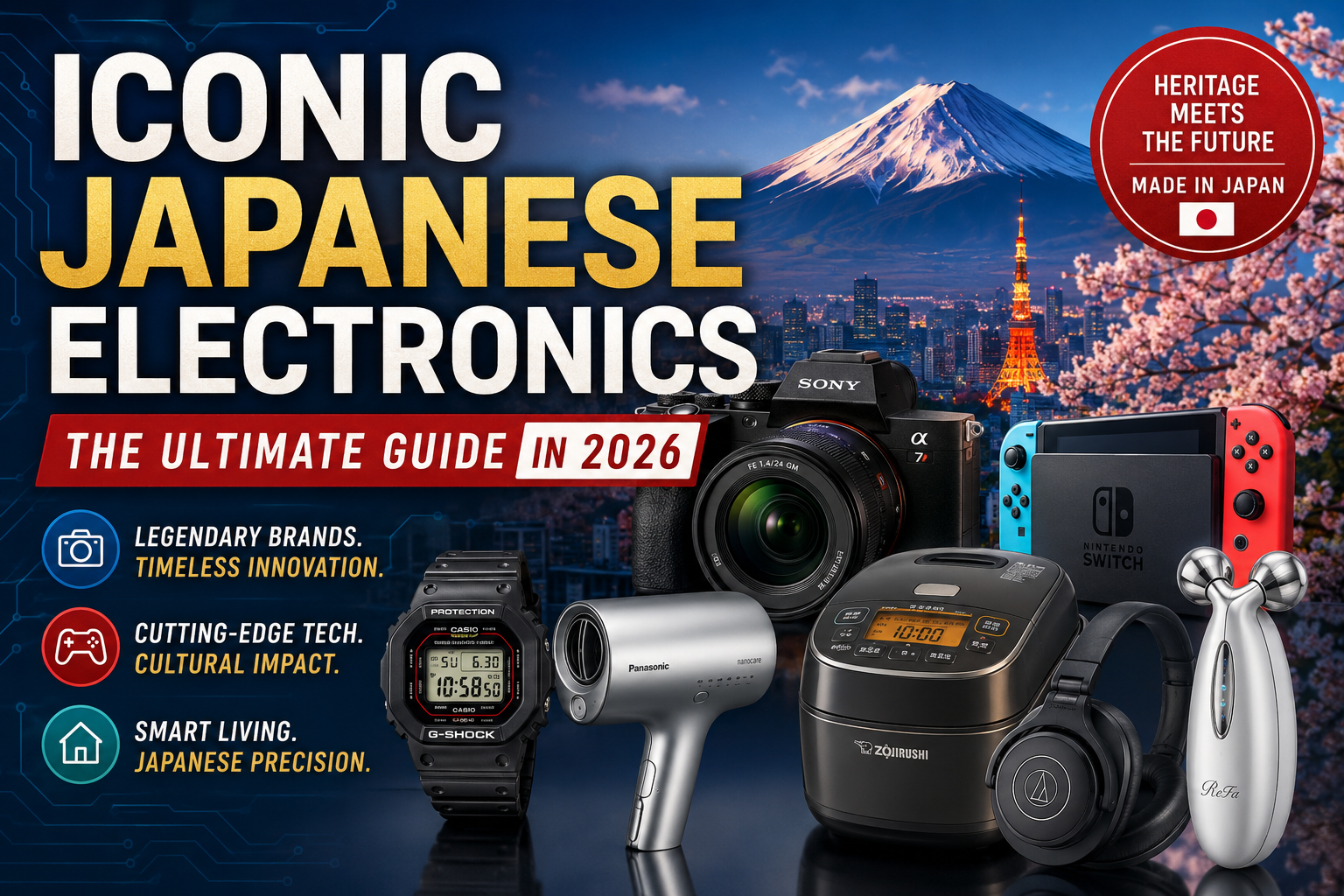
Discover the legacy and future of Japan’s most famous tech brands in this ultimate guide for 2026.
The phrase “Made in Japan” has long served as a shorthand for reliability, precision, and forward-thinking design. For decades, Japanese engineers have refined the gadgets that define our modern world, from the pocketable music players of the 1980s to the high-performance mirrorless cameras used by today’s top creators. If you are looking for tech that balances heritage with cutting-edge performance, Japanese brands remain the gold standard.
In this guide, we will explore the landscape of iconic Japanese electronics in 2026. We will look at how legendary photography giants are redefining optics, why Kyoto’s gaming masters continue to capture our imagination, and how smart home technology is becoming more “human-centric.” Whether you’re a professional seeking the best tools or a hobbyist looking for a piece of Japanese craftsmanship, here is everything you need to know.
- The legacy of iconic Japanese electronics: Why “Made in Japan” still matters
- Photography giants: Mirrorless innovation in iconic Japanese electronics
- Gaming and entertainment: The cultural impact of iconic Japanese electronics
- Innovation in the home: Smart appliances and iconic Japanese electronics
- Personal tech and hidden gems: Niche iconic Japanese electronics gadgets
- How to buy authentic iconic Japanese electronics in 2026
- Frequently Asked Questions
- What are the most iconic Japanese electronics brands to buy in 2026?
- Can I use Japanese electronics in my country without a transformer?
- Why are some iconic Japanese electronics only available in Japan?
- Where is the best place to buy authentic iconic Japanese electronics online?
- Is the Nintendo Switch 2 considered a piece of iconic Japanese electronics yet?
- What makes the ‘Made in Japan’ label so important for iconic Japanese electronics?
- Are there any high-tech beauty gadgets that are considered iconic Japanese electronics?
The legacy of iconic Japanese electronics: Why “Made in Japan” still matters
The reputation of Japanese electronics is built on a foundation of precision and reliability. This isn’t just a marketing slogan: it’s a reflection of a cultural philosophy known as “Monozukuri.” Translated literally as “the making of things,” Monozukuri represents a commitment to excellence in manufacturing and a continuous drive for improvement.
Japan’s historic rise as a tech superpower began in the post-war era with companies like Sony, Panasonic, and Sharp. These firms didn’t just produce products: they invented entirely new categories. Think of the transistor radio, the Walkman, or the first mass-market LCD screens. These innovations established Japan as a global leader in miniaturization and efficiency.
In 2026, international buyers still prioritize Japanese brands for their long-term value. While many markets focus on rapid replacement cycles, Japanese electronics are often designed with a focus on durability and serviceability. When you invest in an iconic Japanese electronics product, you’re typically buying something built to last for a decade, not just a season.
Photography giants: Mirrorless innovation in iconic Japanese electronics
Japan completely dominates the world of high-end optics. If you see a professional photographer on the sidelines of a major sporting event, they are almost certainly using Japanese gear. This dominance isn’t just about legacy: it’s about constant optical innovation.
Sony Alpha series: The mirrorless revolution
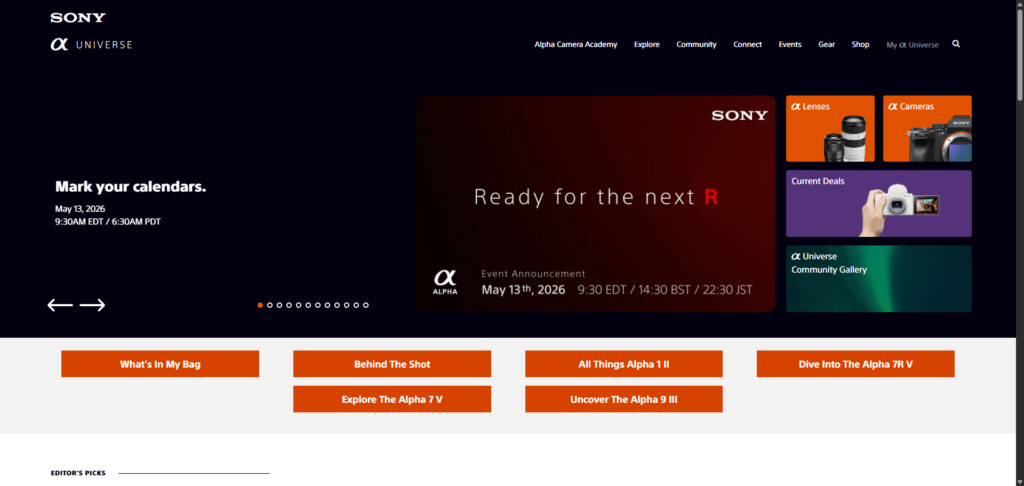
Sony has fundamentally changed the camera industry with its Alpha series. They were the first to prove that mirrorless cameras could compete with (and eventually surpass) traditional DSLRs. Their Eye AutoFocus (AF) technology remains a benchmark, using advanced AI to track the eyes of humans and animals in real-time. The recent release of the Alpha 7 V has set a new standard for “basic” full-frame cameras, offering features that were once reserved for top-tier professional bodies.
Nikon: A legacy of durability and the Z-series
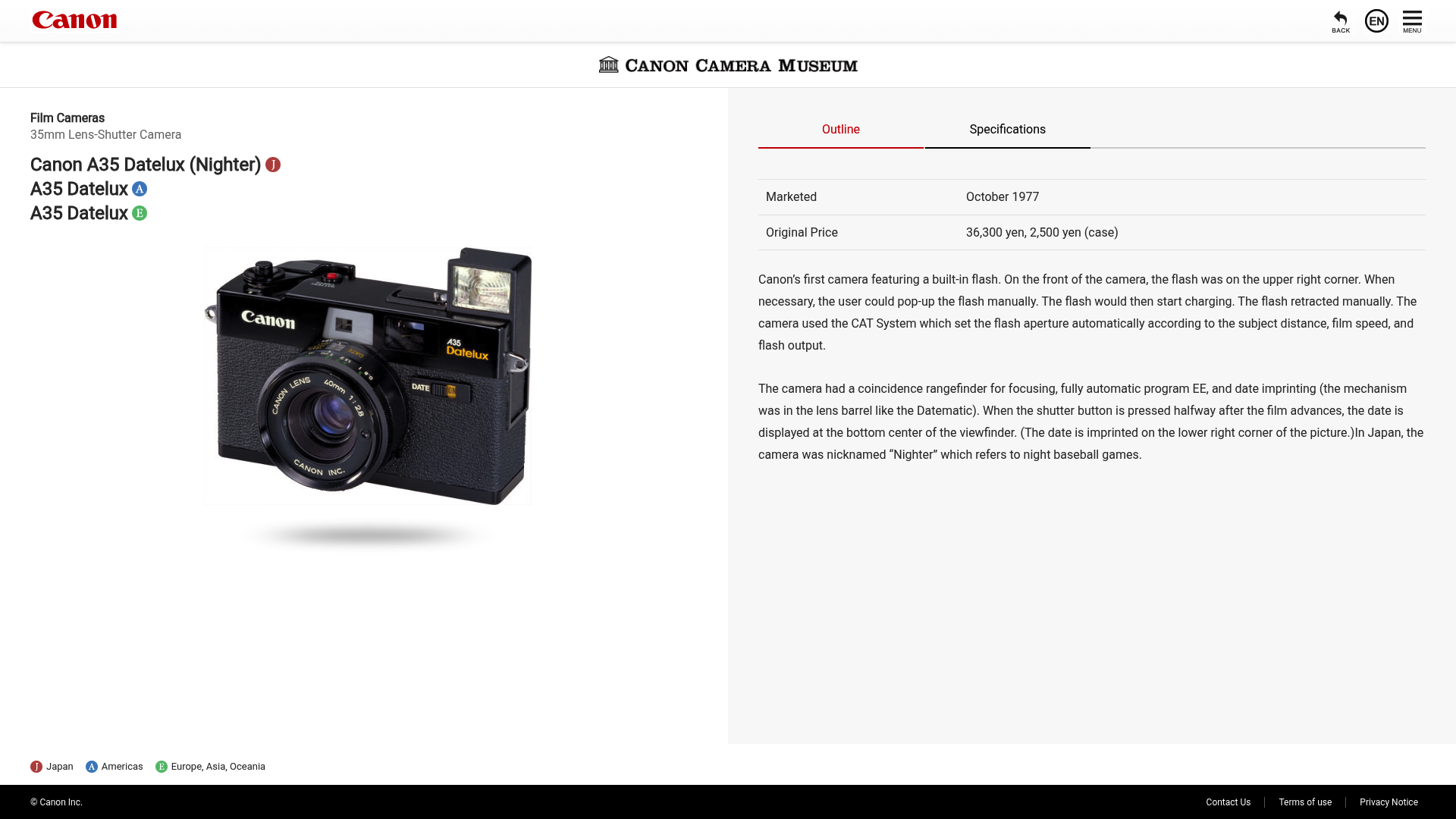
Nikon is legendary for its rugged build quality. Many Nikon lenses from 40 years ago can still be used on modern bodies with the right adapter, a testament to their engineering consistency. Today, the Z-series mirrorless system is Nikon’s focus. By utilizing the Z-mount, which is the widest lens mount on the market, Nikon has unlocked new levels of light-gathering capability and sharpness. They have also integrated RED cinema technology into their Z9 and Z8 lines, making them a top choice for filmmakers.
Canon: Color science and the RF mount
Canon is often praised for its color science, particularly how it renders skin tones. Their transition to the RF mount ecosystem has allowed them to create “impossible” lenses, like the 28-70mm f/2, which provide prime-like quality in a zoom. For many, the choice between these giants comes down to the mount system, as your investment in lenses often determines your brand loyalty for years.
Gaming and entertainment: The cultural impact of iconic Japanese electronics
Japan has been the heartbeat of global gaming since the 1980s. The industry here doesn’t just focus on raw power: it focuses on cultural impact and storytelling.
Nintendo: Innovation for everyone
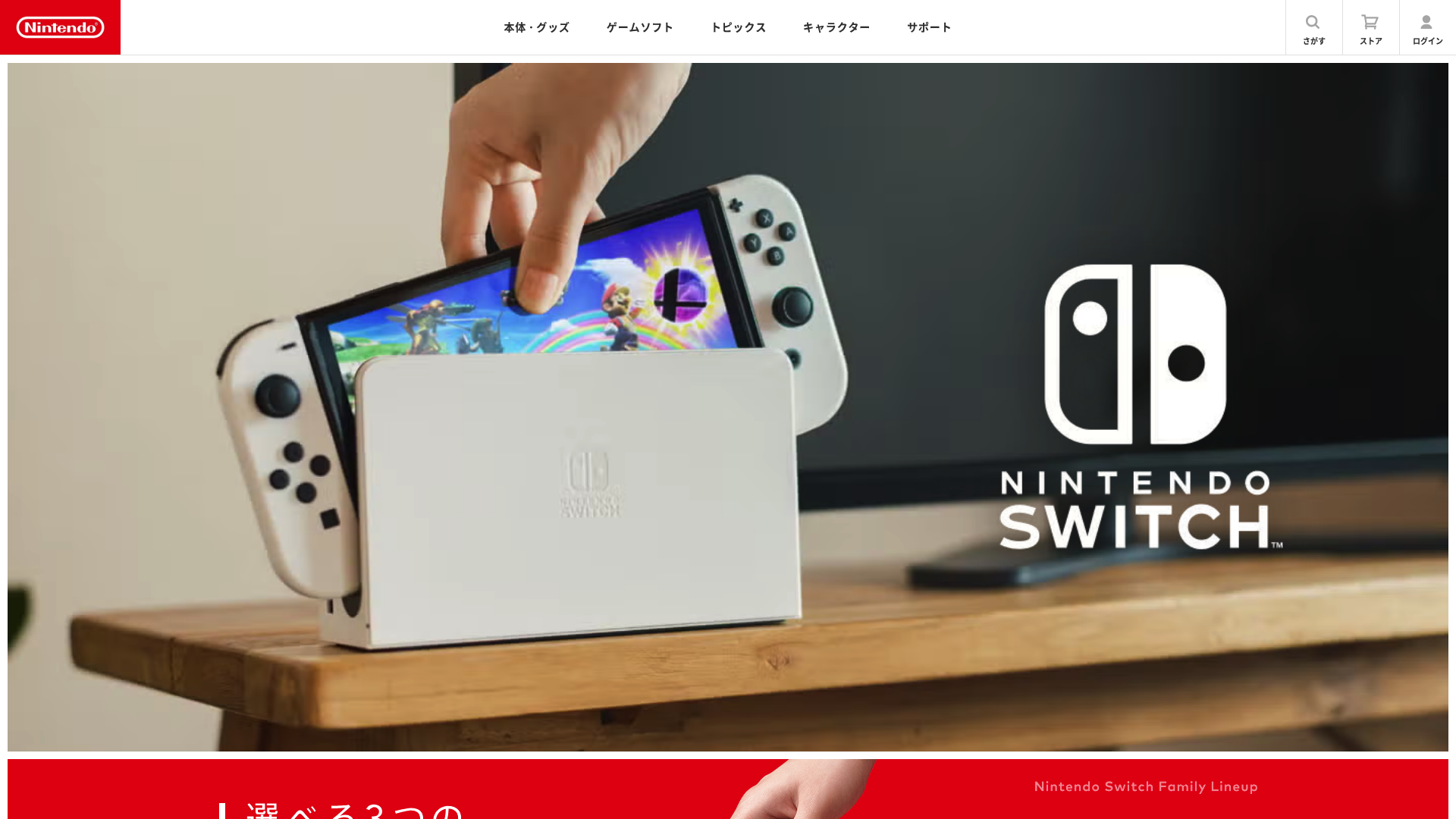
Nintendo is unique because they rarely compete on hardware specifications alone. Instead, they focus on family-friendly innovation. The Switch has become one of the most successful consoles in history by bridging the gap between home and portable gaming. Looking ahead, the Nintendo Switch 2 (launching in June 2026) is the most anticipated piece of iconic Japanese electronics in years, with a new Star Fox title confirmed as a launch game.
Sony PlayStation: Performance and exclusives
While Nintendo captures the “everywhere” market, Sony PlayStation focuses on power and performance. The PS5 ecosystem is built around high-speed SSDs and immersive haptic feedback. In Japan, Sony offers exclusive hardware versions like the Digital Edition CFI-2200B01, which are highly sought after by international collectors.
Portable audio and high-res gear
Japanese audio brands like Audio-Technica and Sony continue the portable audio legacy that started with the Walkman. Today, the focus is on high-resolution audio. Brands like JVC and Pioneer lead the way in car electronics and professional monitoring gear, ensuring that the “Japanese sound” remains a mark of quality for audiophiles.
Innovation in the home: Smart appliances and iconic Japanese electronics
Japanese home appliances are famous for their space efficiency and energy savings. In a country where living space is at a premium, every square centimeter of a refrigerator or rice cooker must be justified by its functionality.
Panasonic: Smart living and personal care
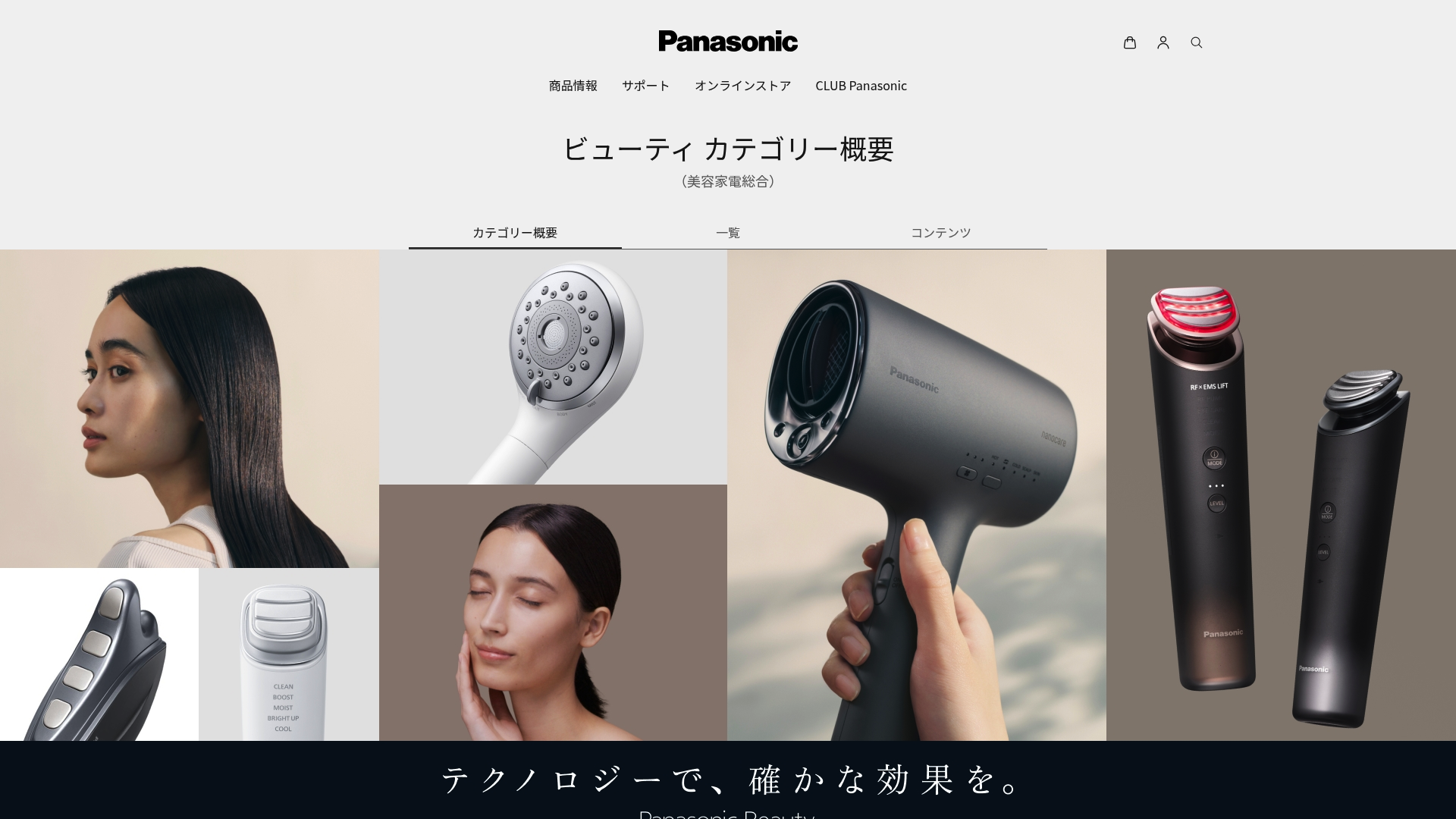
Panasonic is a leader in smart home integration. Their 2026 Eolia air conditioners use advanced sensors to optimize energy use based on room occupancy. In the beauty space, Panasonic’s Nanoe X technology has become a must-have. This tech uses microscopic water particles to moisturize hair and skin, making their nanocare ULTIMATE dryers some of the most popular personal care gadgets globally.
Zojirushi: The science of the perfect rice cooker
For many, Zojirushi is the ultimate name in kitchen tech. Their Induction Heating (IH) technology uses magnetic fields to heat the entire cooking pot, not just the bottom. Their flagship Enbu Daki (Flaming Dance) models use 1400W of power to mimic the convection of traditional open-fire cooking. This level of precision is why Zojirushi remains the gold standard for rice quality.
Thermal technology: TIGER and beyond
TIGER competes fiercely with Zojirushi in the world of thermal technology. Whether it is a high-end rice cooker or a vacuum-insulated bottle, these brands represent the pinnacle of heat retention and distribution.
Personal tech and hidden gems: Niche iconic Japanese electronics gadgets
Beyond the giant conglomerates, Japan is home to niche innovators that create indestructible and unique tech.
Casio: The rugged legacy of G-Shock
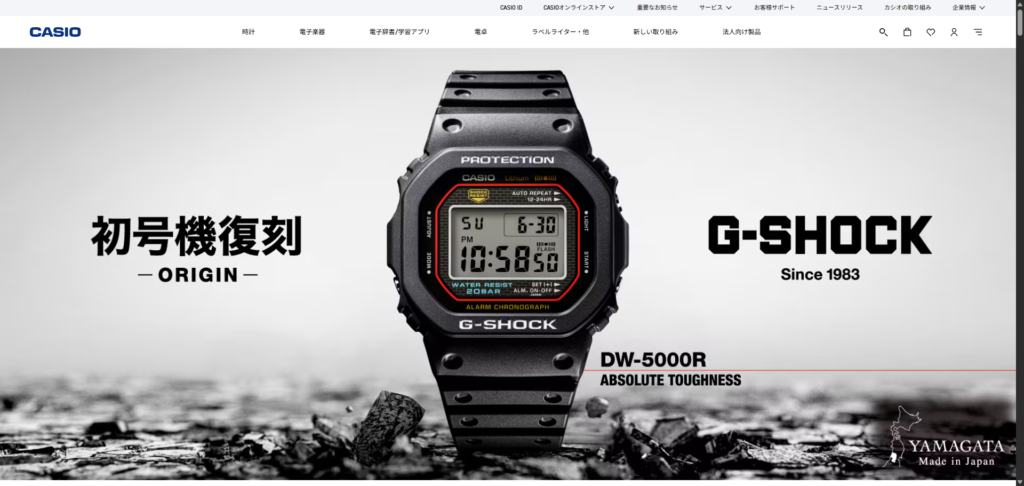
Casio is synonymous with rugged electronics. The G-SHOCK brand has maintained its cult status for over 40 years. In 2026, the DW-5000R reboot brings back the original 1983 square design but adds modern Bluetooth synchronization. For those seeking luxury, the Oceanus “Indigo Ocean” series uses traditional Awa Indigo dye on titanium cases, a perfect blend of ancient craft and modern electronics.
ReFa and high-tech beauty
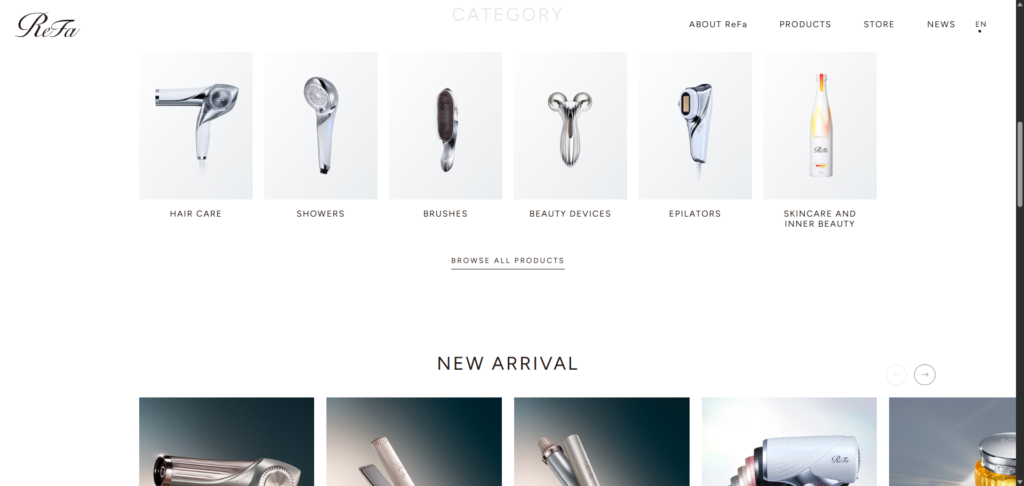
The rise of ReFa has introduced the world to the concept of high-tech beauty rollers. Using microcurrent technology and precise platinum-coated rollers, ReFa gadgets are a staple in Japanese skincare routines and are increasingly popular in the global market.
Niche Japanese gadgets
Japan is also famous for products that solve very specific problems:
- Thanko is known for the bento box rice cooker, a portable device that allows you to cook fresh rice at your desk.
- Kao produces the MegRhythm heated eye masks, which use gentle steam to relieve eye strain (perfect for long flights).
- Pilot invented the Frixion erasable pen, which uses thermo-sensitive ink that disappears with the friction of the eraser.
How to buy authentic iconic Japanese electronics in 2026
If you are planning to buy iconic Japanese electronics, you need a practical checklist to ensure compatibility:
- Voltage: Japan uses 100V. While many modern gadgets (like cameras) are dual-voltage (100V-240V), many home appliances are 100V-only and require a step-down transformer.
- Plug types: Japan uses the Type A plug (two flat pins). You may need a simple adapter even if the voltage is compatible.
- Region locks: Some gaming systems or smart TVs may have region-restricted software or services.
While physical shopping in districts like Akihabara or at retailers like Bic Camera is a great experience, it is no longer the only way to get your hands on rare Japanese gear. Discovery Japan Mall serves as your direct gateway to authentic “Made in Japan” products.
We provide global shipping for over 74,021 items, including bestsellers from Casio, Nikon, Sony, and Nintendo. If you are looking for a “domestic only” model or a limited release that never left the Japanese market, our Marketplace and Proxy services can help you source exactly what you need. Investing in Japanese quality is about long-term value, and we are here to make that quality accessible to everyone, everywhere.
Frequently Asked Questions
What are the most iconic Japanese electronics brands to buy in 2026?
Sony, Nintendo, Panasonic, Nikon, and Casio remain the most iconic Japanese electronics brands due to their long history of innovation and reliability.
Can I use Japanese electronics in my country without a transformer?
It depends on the device. Many iconic Japanese electronics like cameras and laptops are dual-voltage (100-240V), but high-power items like rice cookers or hair dryers often require a 100V transformer.
Why are some iconic Japanese electronics only available in Japan?
Manufacturers often release ‘domestic only’ models to test new features or because they are tailored specifically to Japanese living standards (like extreme space-saving designs).
Where is the best place to buy authentic iconic Japanese electronics online?
Discovery Japan Mall is a trusted source for over 74,000 authentic Japanese products, offering global shipping and access to domestic-market exclusives.
Is the Nintendo Switch 2 considered a piece of iconic Japanese electronics yet?
While it is a new release in 2026, the Nintendo Switch 2 builds on the iconic legacy of the original Switch and is already a cultural phenomenon in the gaming world.
What makes the ‘Made in Japan’ label so important for iconic Japanese electronics?
The MIJ label represents the ‘Monozukuri’ philosophy of craftsmanship, ensuring higher build tolerances, better quality control, and longer product lifespans.
Are there any high-tech beauty gadgets that are considered iconic Japanese electronics?
Yes, brands like ReFa and Panasonic Beauty are iconic for their innovation in facial rollers, steamers, and ionic hair dryers that use advanced physics for skincare.


Comments