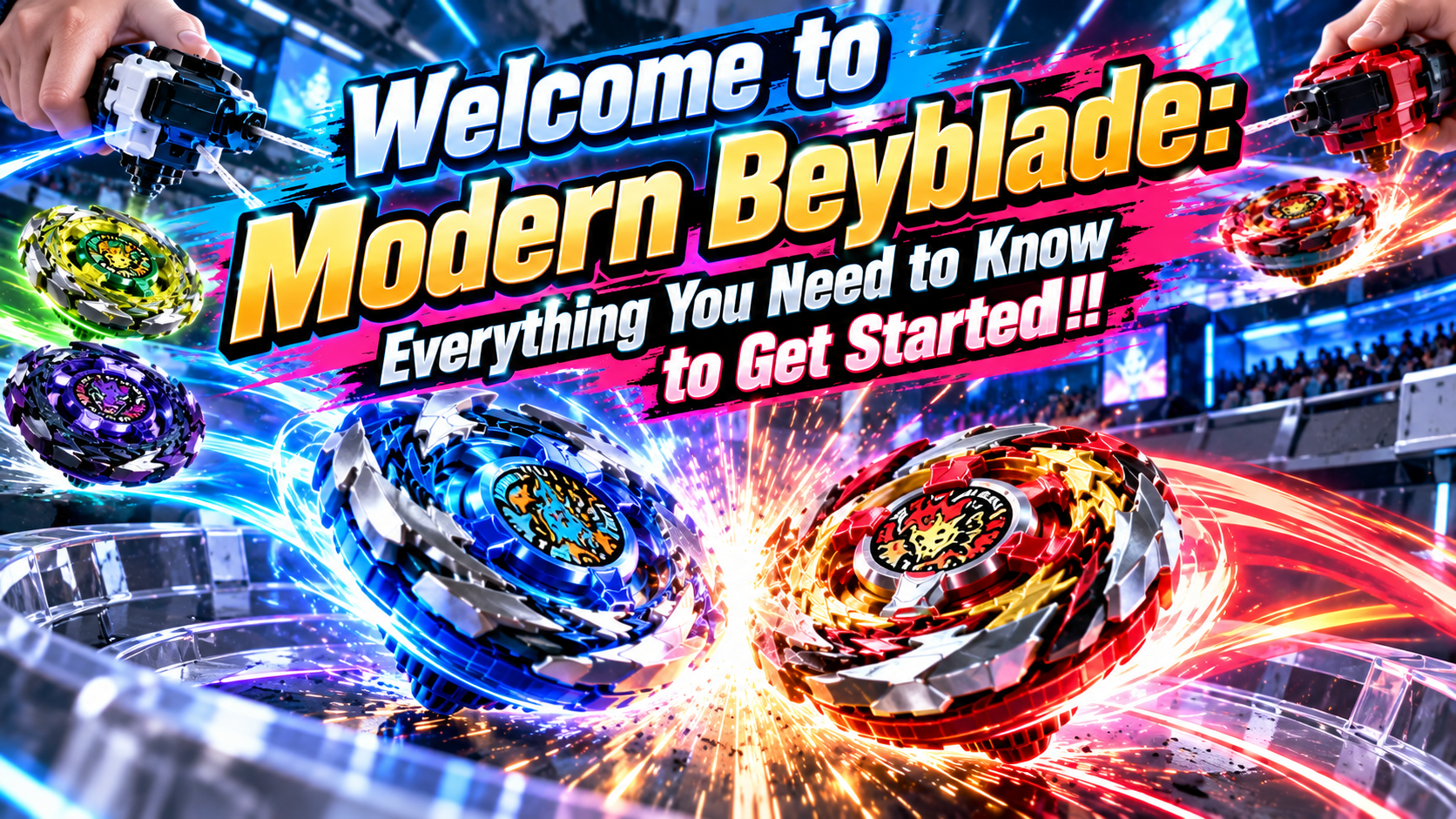
Whether you are a long-time fan who grew up during the original plastic generation or a newcomer intrigued by the global phenomenon taking over social media, modern Beyblade is no longer just a children’s spinning top toy. It has evolved into GEAR SPORTS—a high-velocity, precision-engineered, highly strategic hobby that captivates players, collectors, and competitive athletes of all ages around the globe.
This comprehensive guide serves as your definitive portal to the Beyblade universe. We will explore the twenty-five-year evolution of the franchise, break down the complex physics and mechanics behind modern engineering, analyze tactical customization strategies, and explain why serious enthusiasts around the world source their gear directly from Japan through Discovery Japan.
- What is Beyblade? The Evolution into GEAR SPORTS
- The 25-Year Journey: The 4 Generations of Evolution
- Anatomy of Beyblade X: Understanding the 3-Layer Modular System
- The 4 Primary Performance Archetypes
- The Battle Mechanism: Mastering the X-Dash (Extreme Dash)
- Takara Tomy (Japan) vs. Hasbro (Global): Why Authentic Imports Matter
- Where to Start? Build Your Ultimate Collection Today
What is Beyblade? The Evolution into GEAR SPORTS
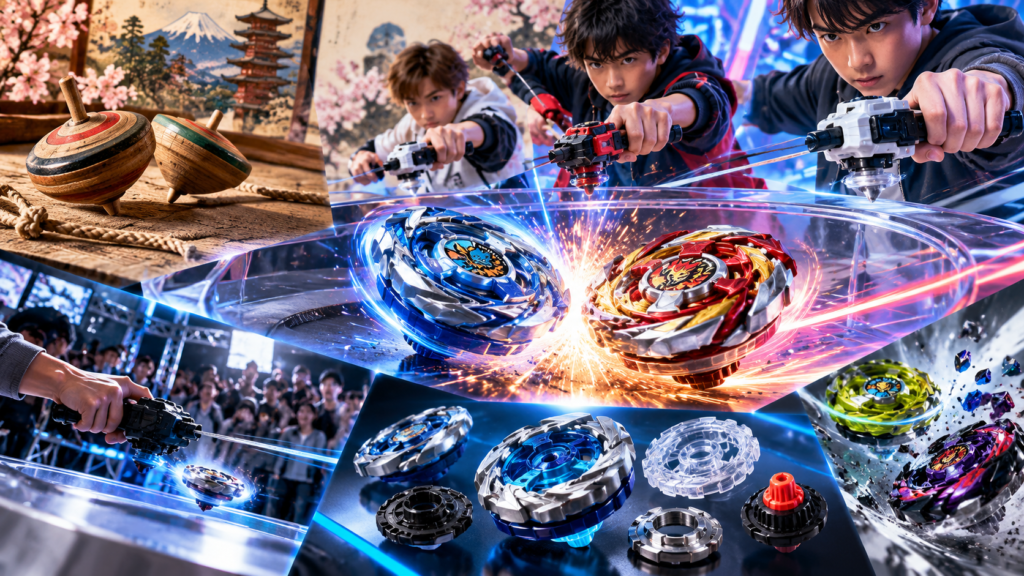
Originating in Japan, Beyblade was created by Takara Tomy as a modern, high-tech evolution of traditional Japanese spinning tops known as bei-goma. Players, universally known as Bladers, launch specially engineered tops into a dish-shaped arena called a Stadium using dedicated ripcord or string launchers. The ultimate goal is simple yet infinitely complex: knock your opponent out of the ring, out-spin their top, or shatter their assembly mid-battle.
With the international launch of the fourth-generation series, BEYBLADE X, the hobby underwent a radical identity transformation. Takara Tomy officially rebranded the line from a simple toy franchise into a legitimate GEAR SPORTS discipline. By combining heavy die-cast metal components, extreme gear-driven acceleration mechanics, strict weight tolerances, and deep mathematical customization, modern Beyblade battles demand physical precision, strategy, and technical mastery similar to competitive esports and physical sports.
The 25-Year Journey: The 4 Generations of Evolution
To truly understand why BEYBLADE X represents such a massive technological leap, it is essential to trace the mechanical lineage that brought us to this high-speed era. Each generation introduced pioneering gimmicks that revolutionized how tops interact inside the stadium.
| Generation | System Name | Core Mechanic & Feature |
| 1st Gen | Bakuten Shoot | Plastic & Weight Disks |
| 2nd Gen | Metal Fight | Die-Cast Metal Impact |
| 3rd Gen | Burst | Shatter Mechanics |
| 4th Gen | BEYBLADE X | X-Dash & Gear Sports |
First Generation: Bakuten Shoot Beyblade (1999–2003)
The original plastic generation laid the foundational archetype for the entire franchise. It introduced interchangeable parts, including Bit Chips, Attack Rings, Weight Disks, and Blade Bases. For the first time, players could swap heavy iron rings to alter momentum or change base tips to modify friction. This era captured global pop culture through anime iconography and established the core gameplay formula that remains untouched today.
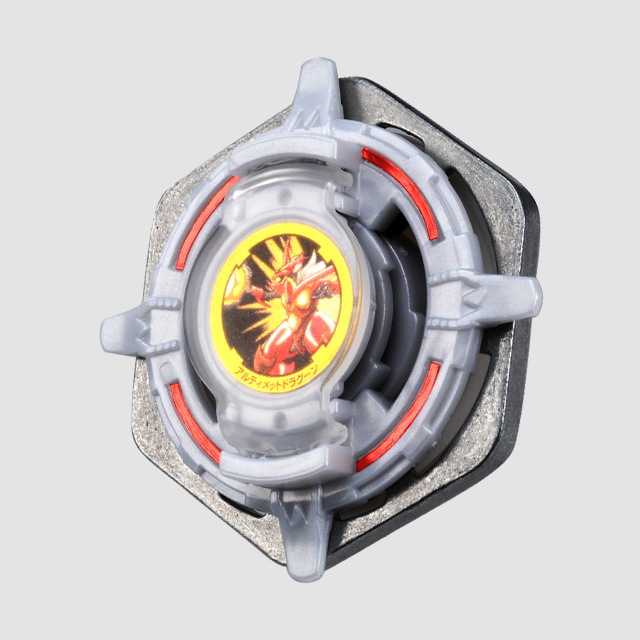
Second Generation: Metal Fight Beyblade / Beyblade: Metal Fusion (2008–2012)
Metal Fight fundamentally shifted the physical scale of collisions by replacing outer plastic attack rings with solid die-cast metal wheels. The introduction of metal-on-metal contact produced violent impact soundscapes, massive recoil, and significantly increased rotational stamina. This generation introduced hybrid wheel customization, track height control, and specialized performance tips, making battles dramatically faster and more destructive.
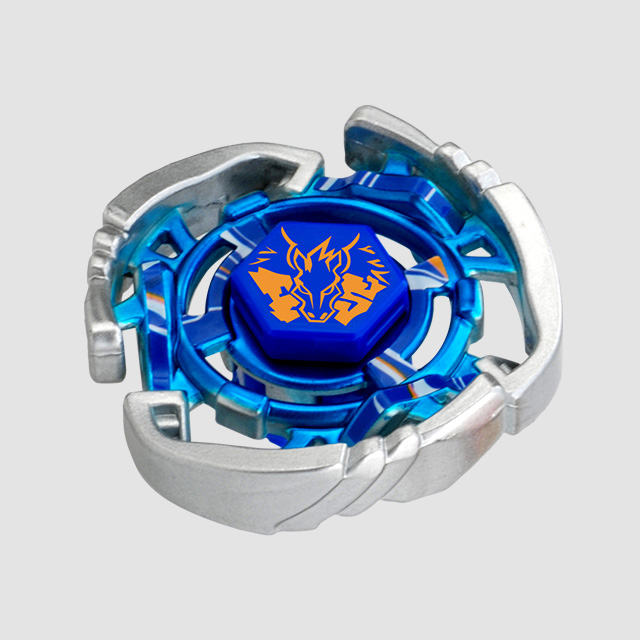
Third Generation: Beyblade Burst (2015–2023)
The Burst era introduced a revolutionary mechanical shock feature: tops were designed to physically burst apart into individual components upon taking sufficient impact. Instead of relying solely on ring-outs or stamina depletion, players could score a decisive “Burst Finish.” This system relied on internal plastic teeth and spring-loaded performance drivers, forcing Bladers to carefully balance recoil against burst resistance.
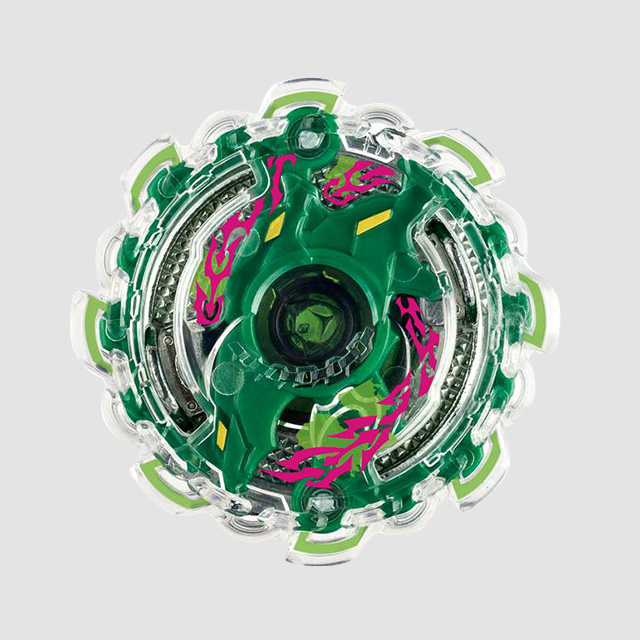
Fourth Generation: BEYBLADE X (2023–Present)
BEYBLADE X represents the current pinnacle of engineering, merging the heavy metal contact of Metal Fight with the modular complexity of Burst, while introducing the revolutionary X-Line gear system. Built with streamlined 3-layer assemblies, lower center-of-gravity profiles, and high-tensile metal blades, BEYBLADE X operates at speeds and kinetic force levels never before seen in spinning top history.
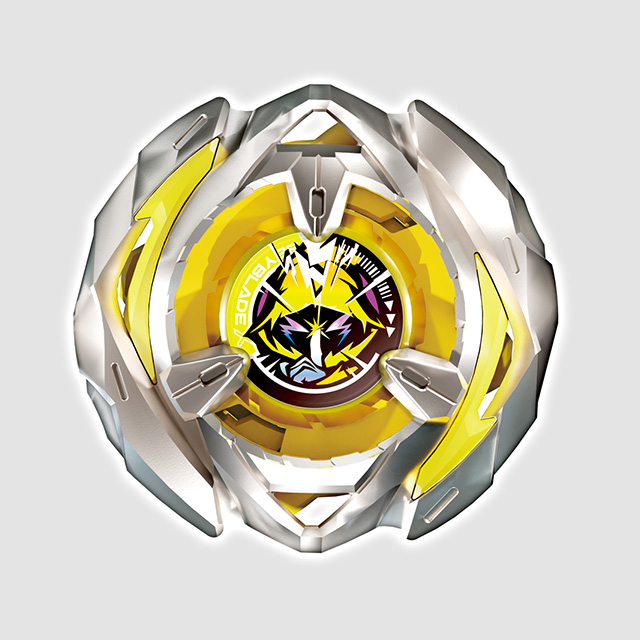
Anatomy of Beyblade X: Understanding the 3-Layer Modular System
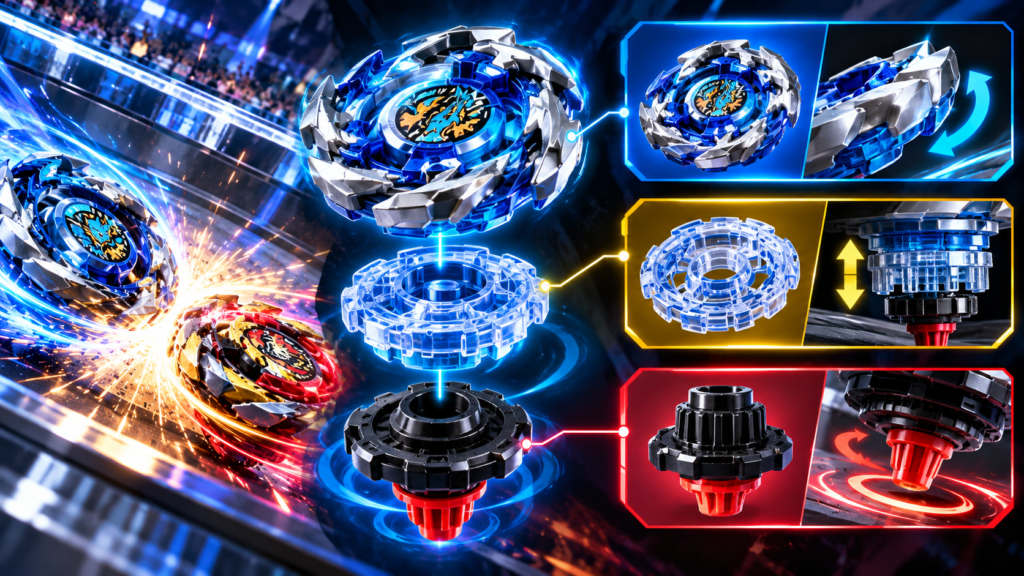
Every modern Beyblade X top is built from three core interchangeable components. Understanding how these layers interact with weight distribution, friction, and recoil is the key to building a winning setup.
| Layer | Component Name | Core Function & Physical Role |
| Layer 1 | BLADE | Die-cast metal contact ring; controls attack geometry & weight distribution. |
| Layer 2 | RATCHET | Height regulator & locking mechanism; controls burst resistance & operational profile. |
| Layer 3 | BIT | Bottom driver with gear teeth; determines speed, movement patterns, & friction. |
The 4 Primary Performance Archetypes
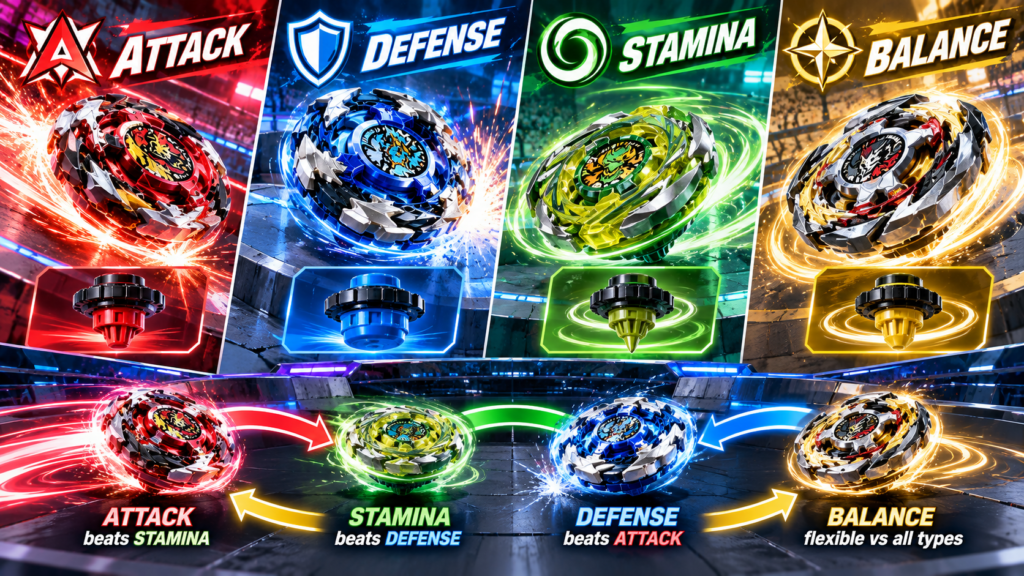
Mastering competitive play requires a thorough understanding of the four fundamental Beyblade archetypes and their rock-paper-scissors dynamic
| Type | Core Characteristic | Primary Strategy | Counter Advantage |
| Attack | High speed, flat bits, jagged heavy blades | Fast stadium sweeps, aggressive knockouts | Counters Stamina types via raw impact force |
| Defense | High weight, rounded profiles, shock-absorbing shapes | Holding center ground, absorbing heavy recoil | Counters Attack types by surviving initial hits |
| Stamina | Sharp needle bits, peripheral weight distribution | Maximum rotational inertia, out-spinning rivals | Counters Defense types through endurance |
| Balance | Dual-profile bits (flat/sharp hybrid), versatile blades | Dynamic movement switches mid-battle | Flexible tactical matchups across all types |
The Battle Mechanism: Mastering the X-Dash (Extreme Dash)
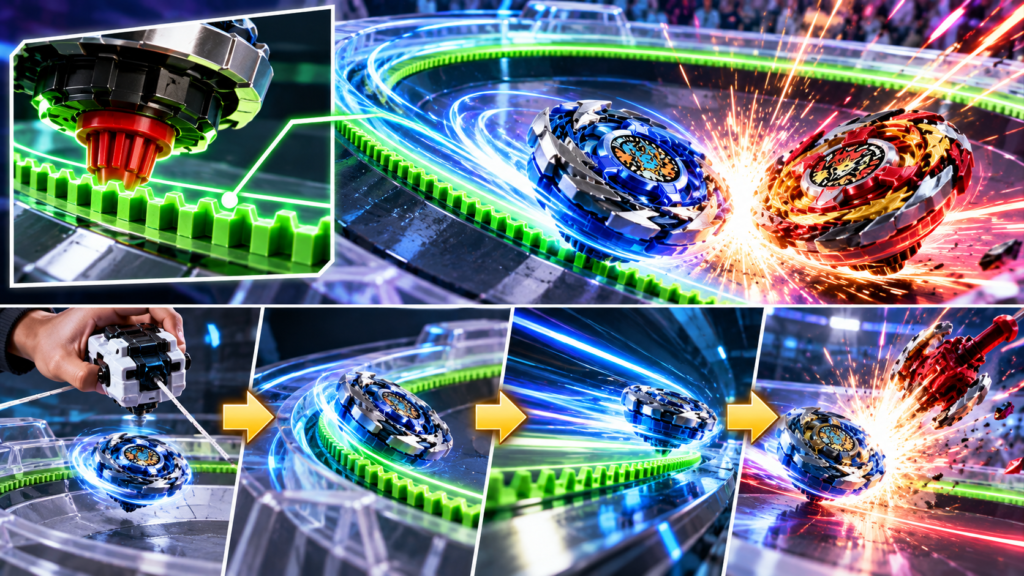
The central innovation that defines BEYBLADE X as a high-speed gear sport is the X-Line Rail Mechanism.
Official BEYBLADE X stadiums feature a continuous plastic gear rail built along the inner perimeter slope. When a Blader launches their Beyblade and the gear teeth on the Bit engage with the stadium rail, internal friction causes the spinning top to lock into the track. This mechanical engagement converts rotational torque into linear kinetic energy, propelling the Beyblade along the rail at speeds exceeding 80 km/h (50 mph).
This sudden burst of speed is known as the X-Dash (Extreme Dash). When a Beyblade traveling at extreme speeds along the rail collides with an opponent in the center of the arena, the kinetic transfer produces dramatic, movie-like extreme impacts, frequently launching tops completely out of the arena or shattering them instantly.
| Step | Battle Phase | Mechanical Process & Event |
| Step 1 | Launch | Blader launches the Beyblade directly into the arena using a specialized launcher. |
| Step 2 | Rail Contact | The gear teeth on the Bit make contact with the stadium’s perimeter rail system. |
| Step 3 | X-Dash Trigger | Gears lock into the rail, converting torque into kinetic speed to trigger the X-Dash at 80 km/h! |
| Step 4 | Impact | The accelerated Beyblade travels along the rail to inflict a devastating collision in the center ring. |
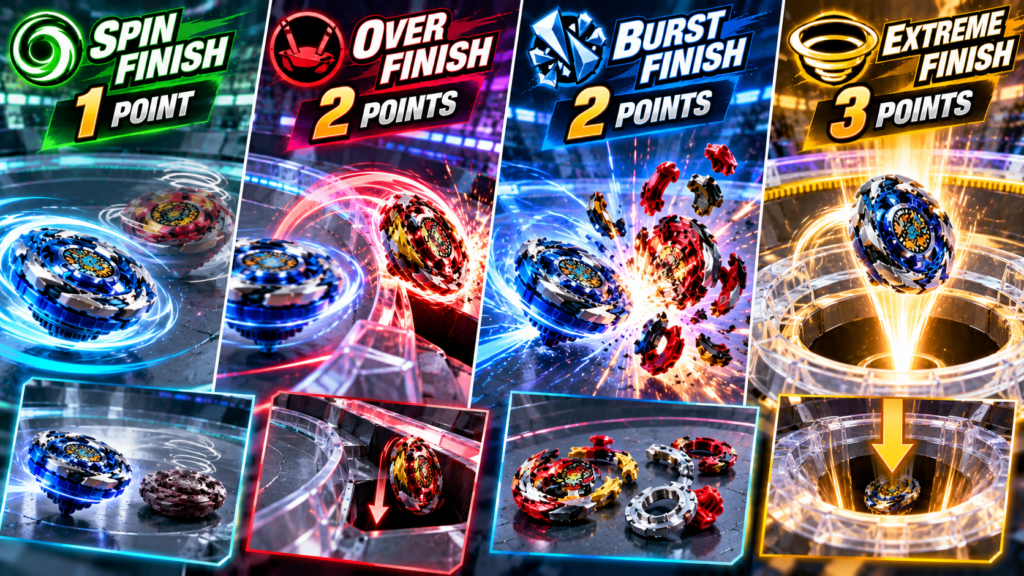
Official Competitive Scoring System
Official match victories are determined by acquiring points across four distinct finish conditions:
- Spin Finish (1 Point): Out-spinning the opposing Beyblade, forcing it to stop moving first.
- Over Finish (2 Points): Knocking the opposing Beyblade into one of the stadium’s side pockets.
- Burst Finish (2 Points): Striking the opponent with enough physical force to unlock its Ratchet and shatter its assembly into pieces.
- Extreme Finish (3 Points): Slamming the opposing Beyblade directly through the center Extreme Zone pocket via a successful X-Dash strike.
Takara Tomy (Japan) vs. Hasbro (Global): Why Authentic Imports Matter
As Beyblade X expands globally, international fans frequently ask: “Since Hasbro releases Beyblade X locally in western markets, why do competitive Bladers and serious collectors insist on buying authentic Japanese Takara Tomy products from Discovery Japan?”
While both versions share component compatibility, ordering authentic Japanese domestic releases provides decisive advantages for competitive play and collection value.
| Core Advantage | Specific Feature & Benefit |
| World-First Release Schedule | Get new meta parts, blades, and accessories 3–6 months earlier than global markets. |
| Domestic Japan Exclusives | Access rare products like CoroCoro limiteds, Rare Bey Get items, and Random Boosters. |
| Mint Collector Packaging & Quality | Experience uncompromising factory tolerances, premium box art, and high collection value. |
Where to Start? Build Your Ultimate Collection Today
Stepping into the world of BEYBLADE X is straightforward once you have the right foundational equipment. To host official battles at home, every Blader requires three basic items: an Official Extreme Stadium, a specialized Launcher (Ripcord or Winder), and at least one Starter Beyblade.Whether you are building your first casual deck or optimizing a tournament-ready three-Beyblade lineup, Discovery Japan is your premier gateway to authentic Japanese inventory shipped directly from Tokyo.Ready to explore deeper tactical guides and secure your authentic gear? Check out our dedicated articles and product catalogs below

Comments