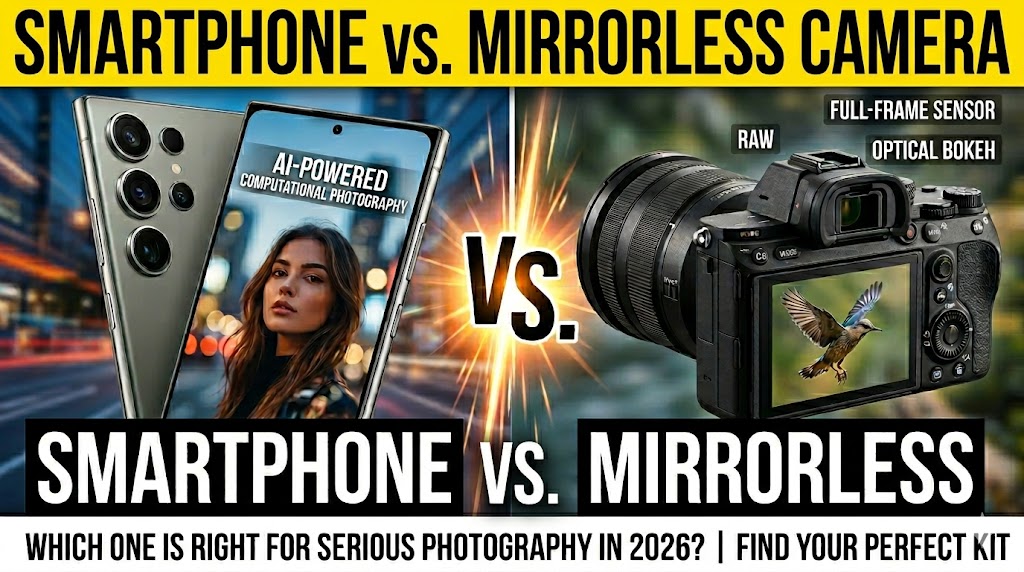
Smartphone photography has changed dramatically since 2010. What began as quick 5–8MP snapshots has become a world of computational HDR, night modes, portrait blur, ProRAW files, and AI-assisted editing apps. The iPhone 15 Pro in 2023 and Google Pixel 9 in 2024 showed how far the phone camera has come.
But serious creators are still moving beyond the smartphone because a dedicated mirrorless camera gives three things a phone cannot fully replace: larger sensors for better image quality, deeper manual control, and real lens choice. In difficult lighting conditions, fast motion, long focal lengths, or large prints, physical optics still matter.
The market data points in the same direction. Mirrorless sales continued growing while the dslr category kept shrinking; CIPA-linked reporting showed global mirrorless shipments reaching about 6.3 million units in 2025, with APS-C and Micro Four Thirds models especially strong. In Japan, compact and mirrorless systems both benefited from a renewed interest in intentional photography.
Discovery Japan Mall specializes in Japanese camera gear, including genuine Japan-market models from canon, Nikon, Sony, Fujifilm, and OM SYSTEM. This guide is for users who love the simplicity of smartphones but are ready to capture photos and videos with more focus, control, and long-term creative range.
- Why Go Beyond the Smartphone in 2026?
- Mirrorless Cameras 101: The Step Beyond Your Phone
- Five Standout Japanese Mirrorless Cameras to Escape the Smartphone
- Medium Format: Going Far Beyond Even the Best Smartphones
- Comparison Table: 5 Japanese Mirrorless Cameras vs Smartphone Shooting
- Choosing the Best Mirrorless Camera After Your Phone
- Accessories That Make the Jump Beyond Smartphones Easier
- Life Beyond the Smartphone: Building a Long-Term Photography Habit
Why Go Beyond the Smartphone in 2026?
A smartphone is an amazing camera for daily life. It is always with you, easy to share from, and smart enough to save many difficult scenes. But imagine a rainy night cityscape in Tokyo, a runner at the 2025 World Athletics Championships, or a bird in flight over Hokkaido snow. At that moment, the primary reason to carry a dedicated camera becomes obvious: speed, sensor size, and optics.
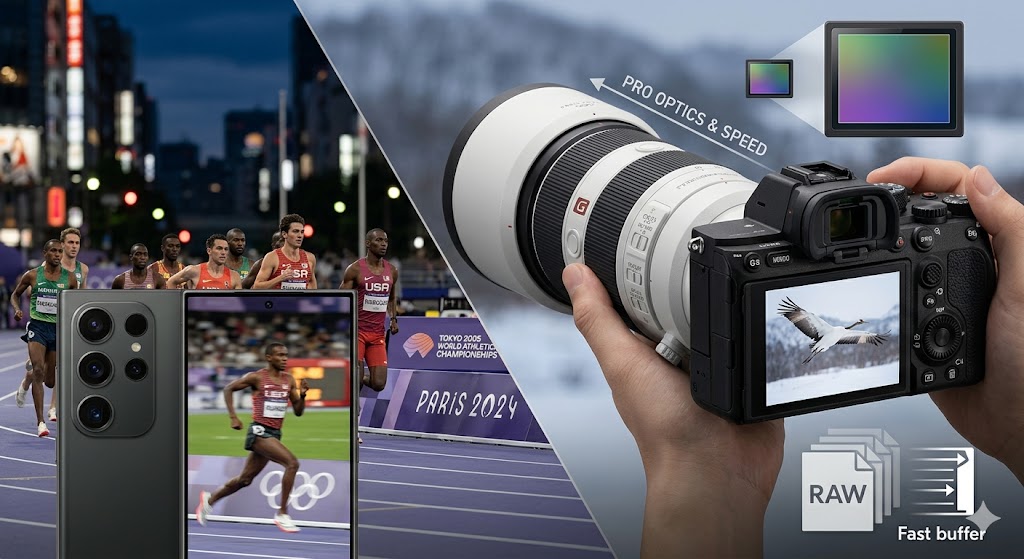
Professional photographers covering events like the Paris 2024 Olympics relied on mirrorless systems, not phones, because fast autofocus, long lenses, high burst speed, and predictable RAW files are essential when there is no second chance.
Key limitations of smartphones:
- Tiny sensors compared with APS-C, full frame, and medium format cameras.
- Limited dynamic range in harsh highlights and deep shadows.
- Limited true optical zoom beyond roughly 120mm equivalent.
- More motion blur in low light when subjects move quickly.
- Less natural depth of field, even when software blur looks convincing.
- Dependence on computational processing that can make images look over-smoothed.
What mirrorless cameras offer instead:
- Larger sensors that gather more light and preserve detail.
- Interchangeable lenses for portraits, wildlife, macro, travel, sports, and product photography.
- Deep exposure control over shutter speed, aperture, ISO, focus, and flash.
- Robust RAW files with more editing headroom.
- Better autofocus speed for moving people, animals, and vehicles.
- Stronger video quality with log profiles, external audio, and higher bitrates.
Here are the real-world situations where smartphones struggle most:
- Indoor basketball games, where a phone often raises ISO, slows shutter speed, and loses action sharpness.
- Wildlife in Hokkaido winter, where you need a long lens, weather sealing, battery life, and tracking autofocus.
- Large exhibition prints, where smartphone files often show limited resolution and waxy detail when enlarged.
- Mixed light events, where a good camera with a larger sensor keeps skin tones and shadows cleaner.
Mirrorless Cameras 101: The Step Beyond Your Phone
A mirrorless camera is an interchangeable-lens camera without the mirror box found in a dslr. Light goes directly to the sensor, and you compose through an electronic viewfinder or rear screen. That design is why mirrorless cameras are generally lighter and more compact than DSLRs, while still delivering serious performance.
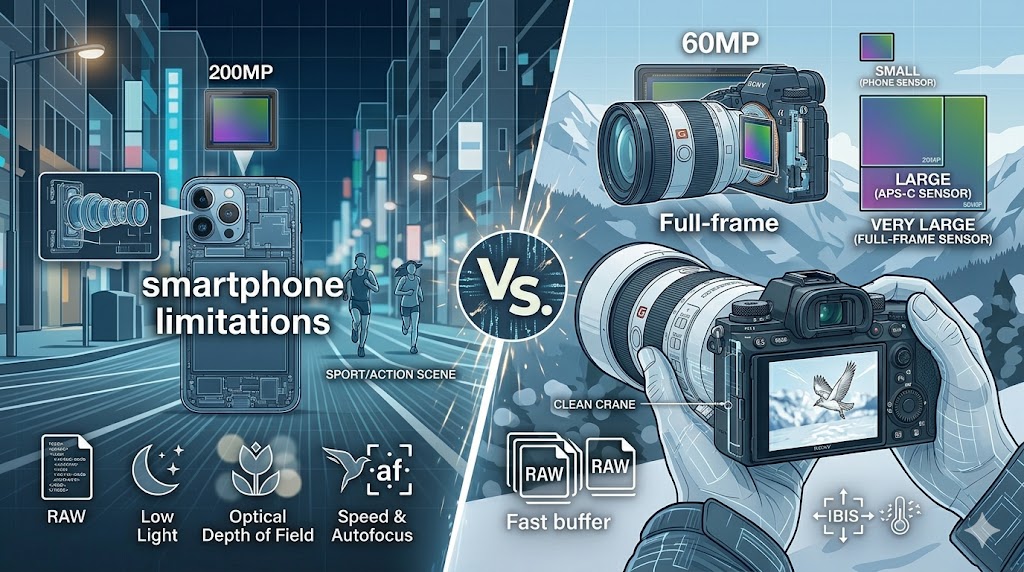
Mirrorless cameras also reflect where new technology is going. New lenses are primarily designed for mirrorless cameras now, and mirrorless cameras offer better autofocus performance than many DSLRs. The only downside is that mirrorless cameras drain battery power faster than DSLRs because the sensor, EVF, and screen are active much of the time.
There are three main categories to understand:
APS-C is the practical step up. It gives strong image quality, a smaller body, lightweight lenses, and a lower cost of entry. Full-frame is the classic serious upgrade; a full frame camera gives better low light performance, more natural background blur, and wider dynamic range. Medium format is the high-end choice for maximum resolution, color depth, and print size.
When choosing your first camera after a phone, pay attention to:
- Sensor size and resolution.
- Lens mount and available lens choices.
- Autofocus and subject detection.
- in body image stabilization for handheld shooting.
- Video specs such as 4K, 6K, or 8K.
- Weather sealing, ergonomics, and battery life.
Discovery Japan Mall focuses on Japanese brands and genuine Japan-market models. That matters because serious photographers often care about regional kits, lens availability, domestic accessories, and specific bundles that may not be easy to find elsewhere.
Five Standout Japanese Mirrorless Cameras to Escape the Smartphone
Discovery Japan Mall recommends the following five Japanese mirrorless bodies as realistic upgrades from smartphones. They come from established camera companies with deep lens ecosystems and excellent cameras for different types of users.
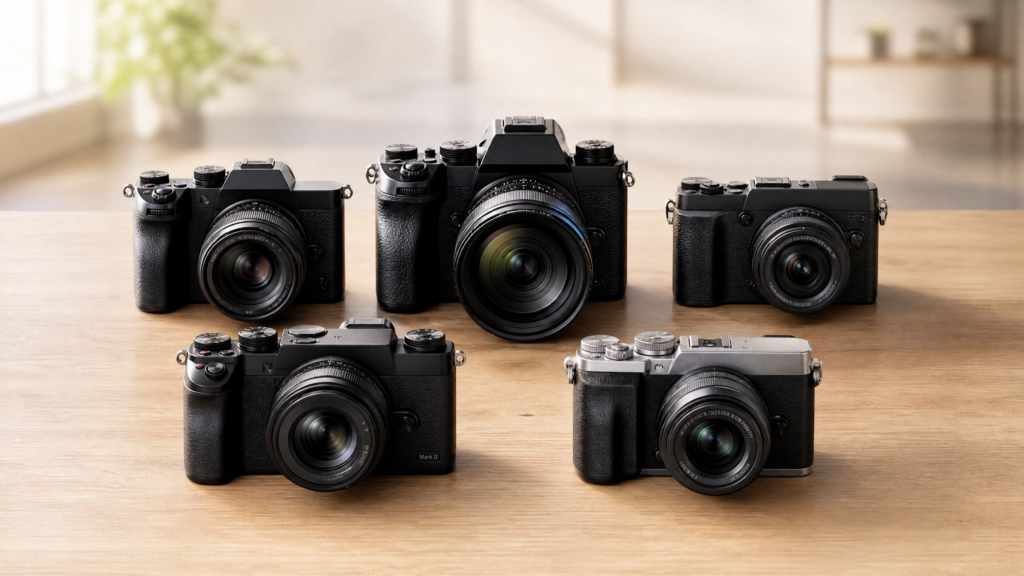
This list includes a mark ii generation body and covers full-frame, APS-C, and Micro Four Thirds systems. Other brands and models are also worth considering: the Sony A1 II features a 50MP full-frame sensor, the Canon EOS R5 Mark II offers 45MP resolution and 8K video, the Nikon Z9 has a 45.7MP stacked sensor and 8K video, and the Sony A7R V has a 61MP full-frame sensor and 8K video.
FUJIFILM X100VI
The FUJIFILM X100VI has captured the global spotlight as the ultimate compact camera, offering a soulful shooting experience that smartphones simply cannot replicate.
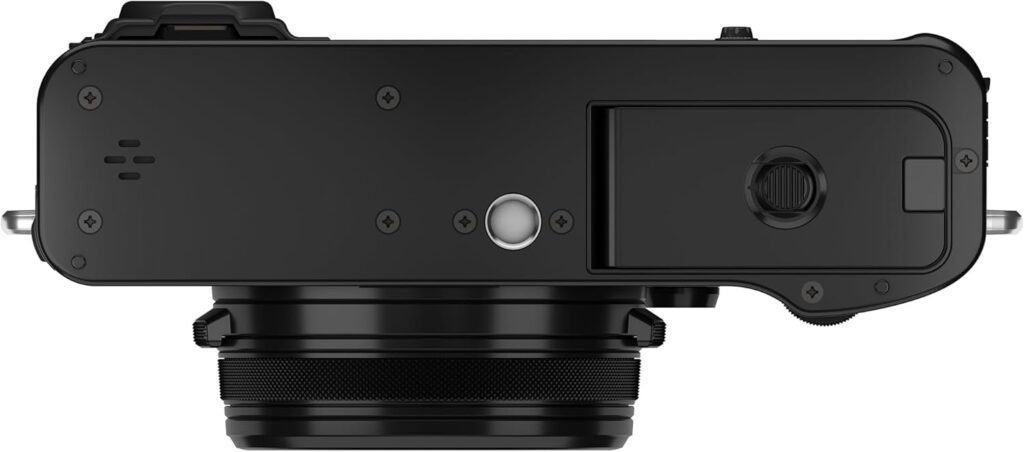
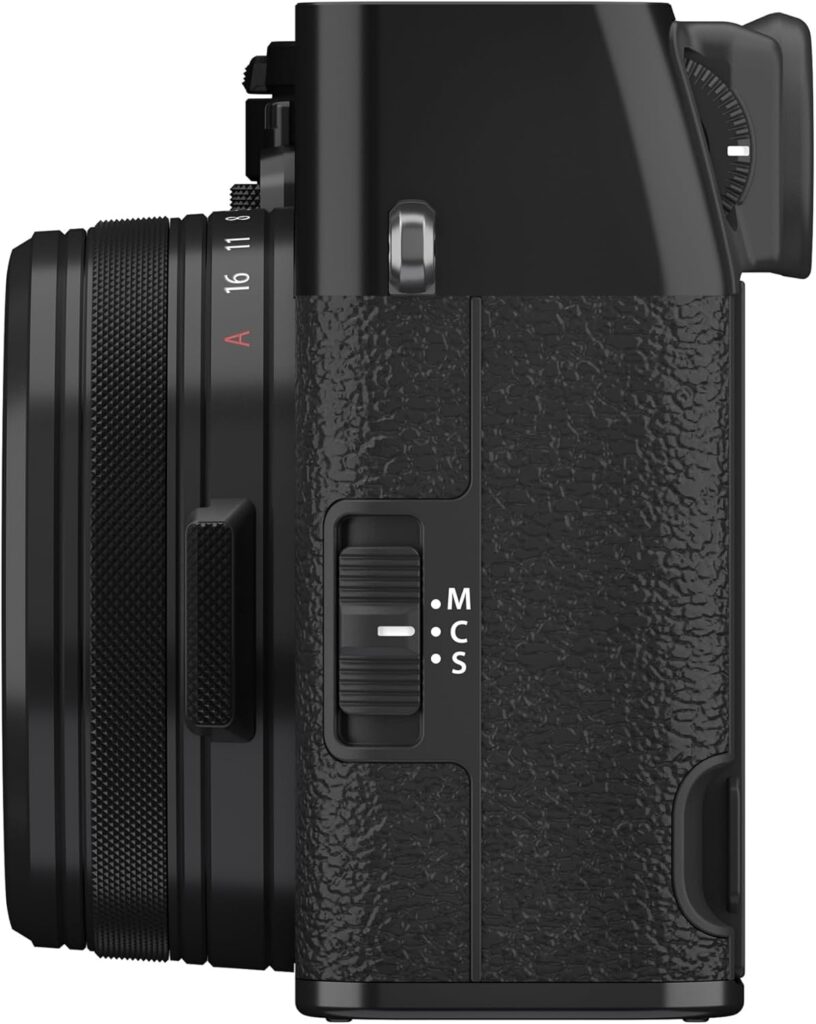
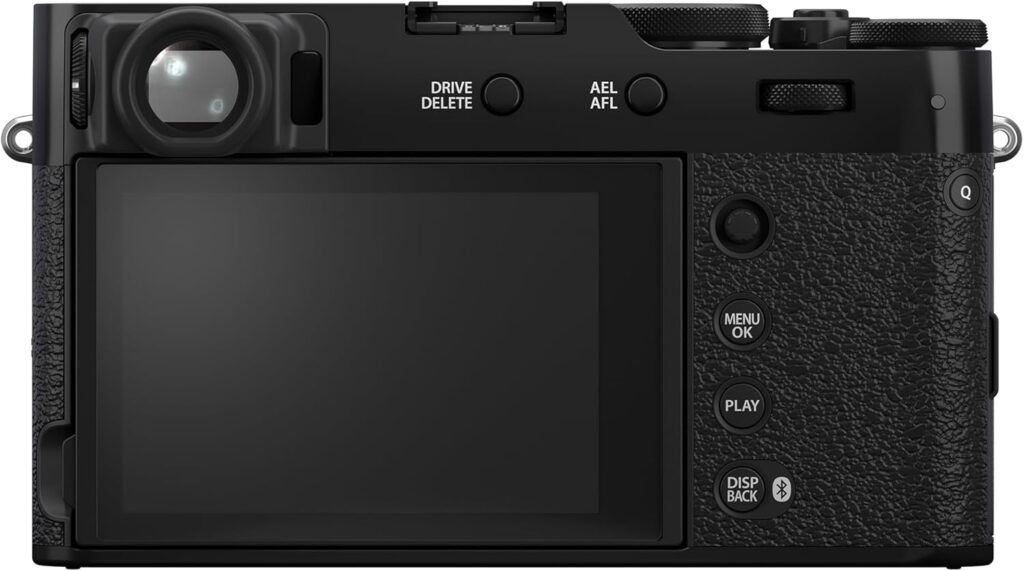
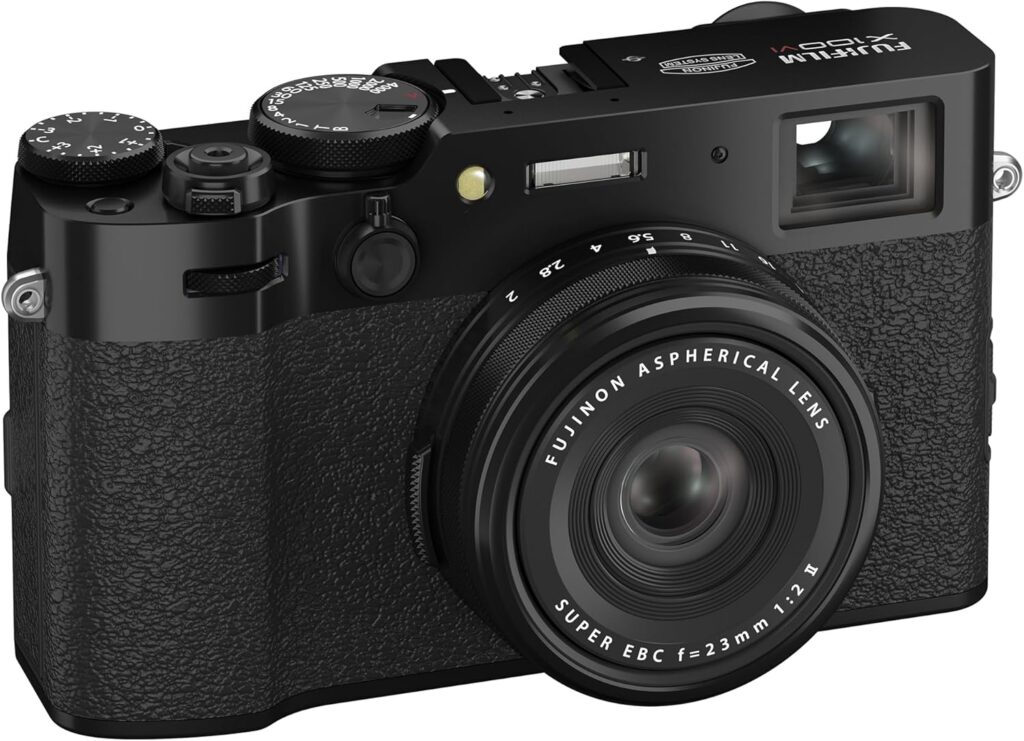
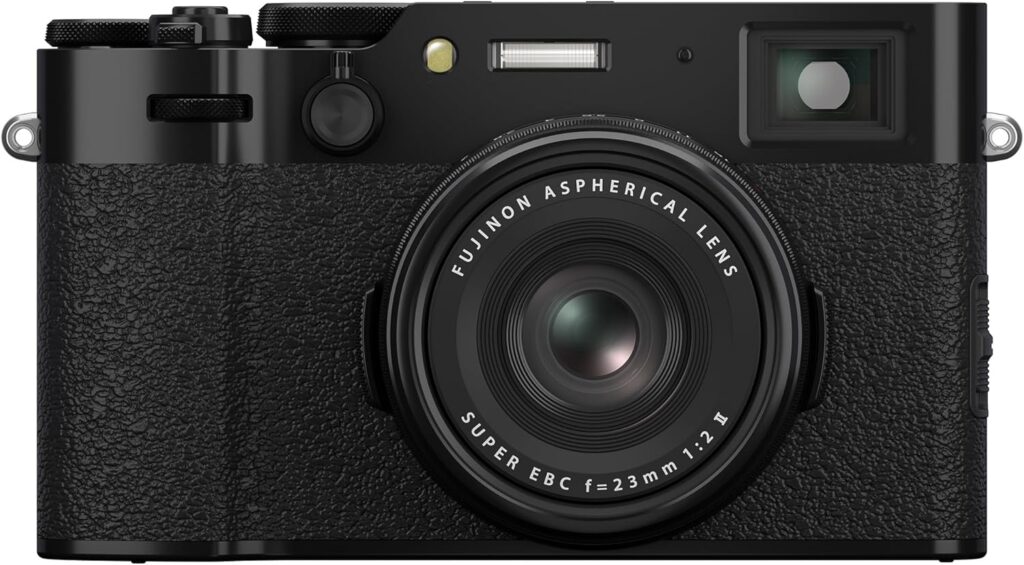
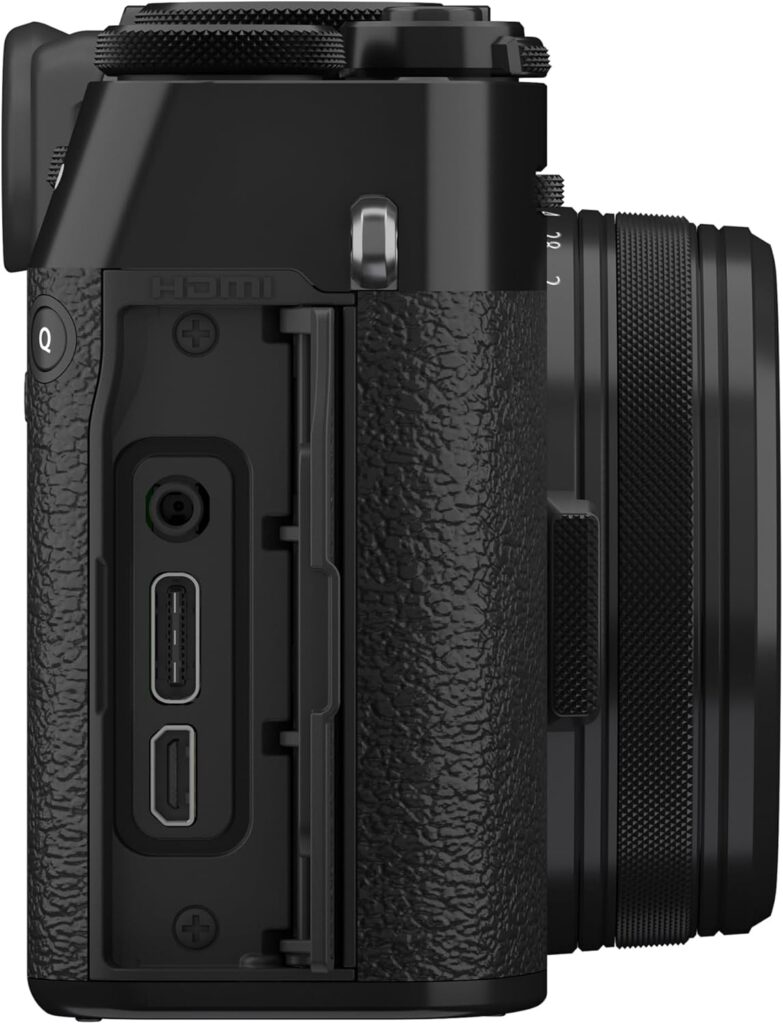
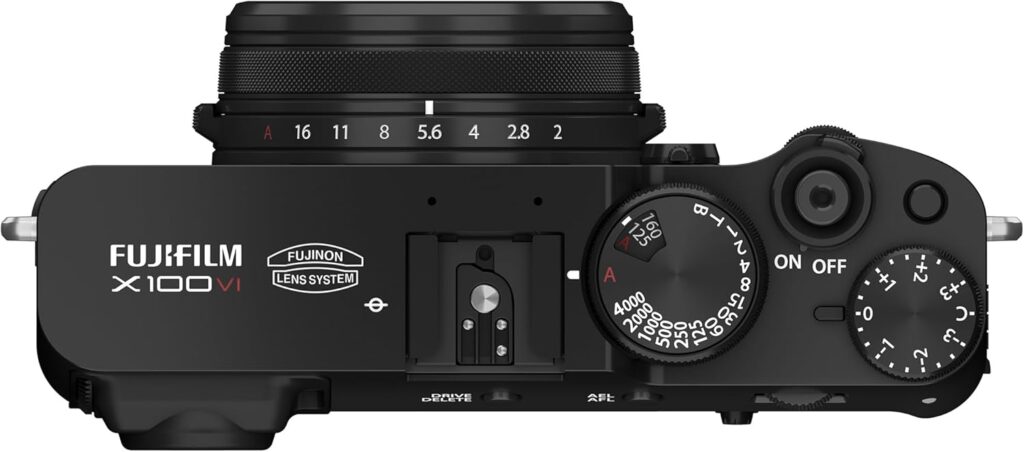
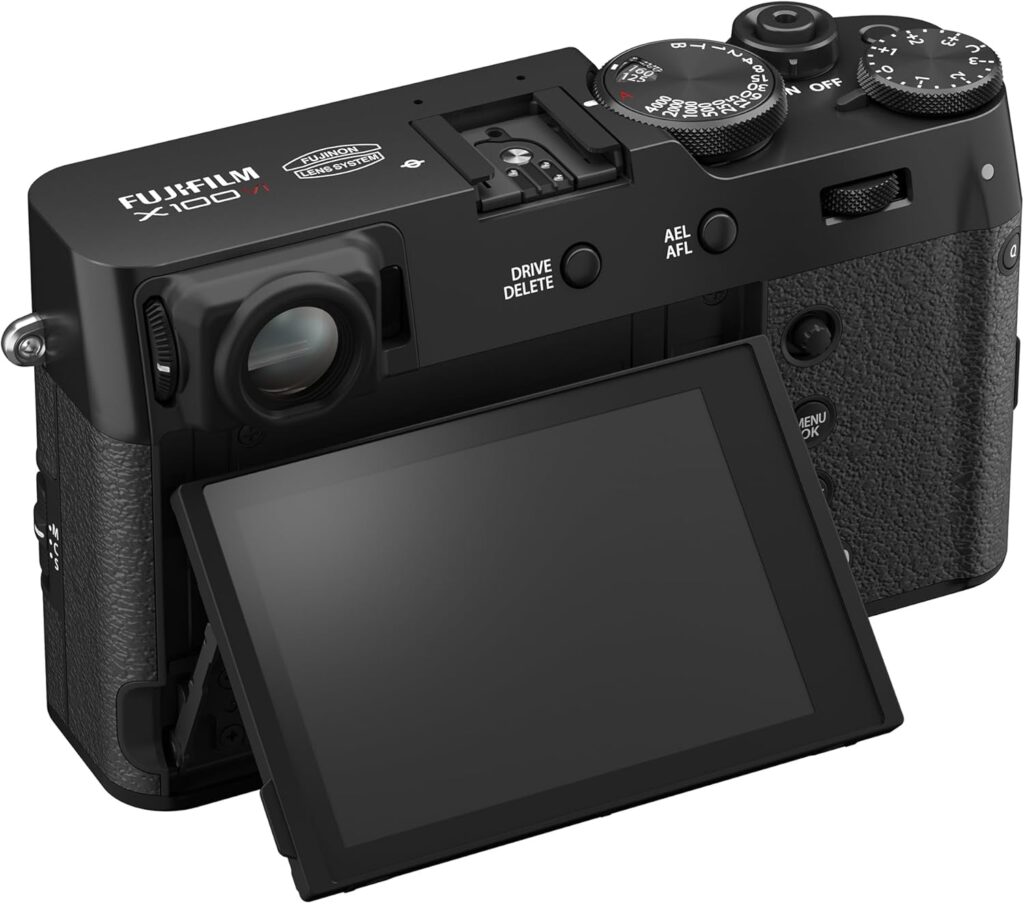
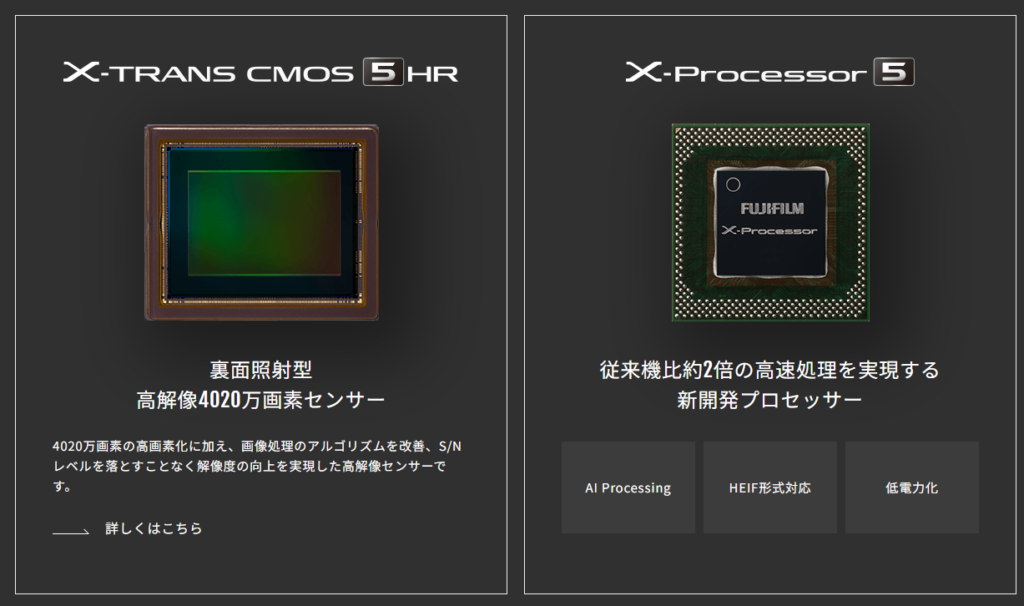
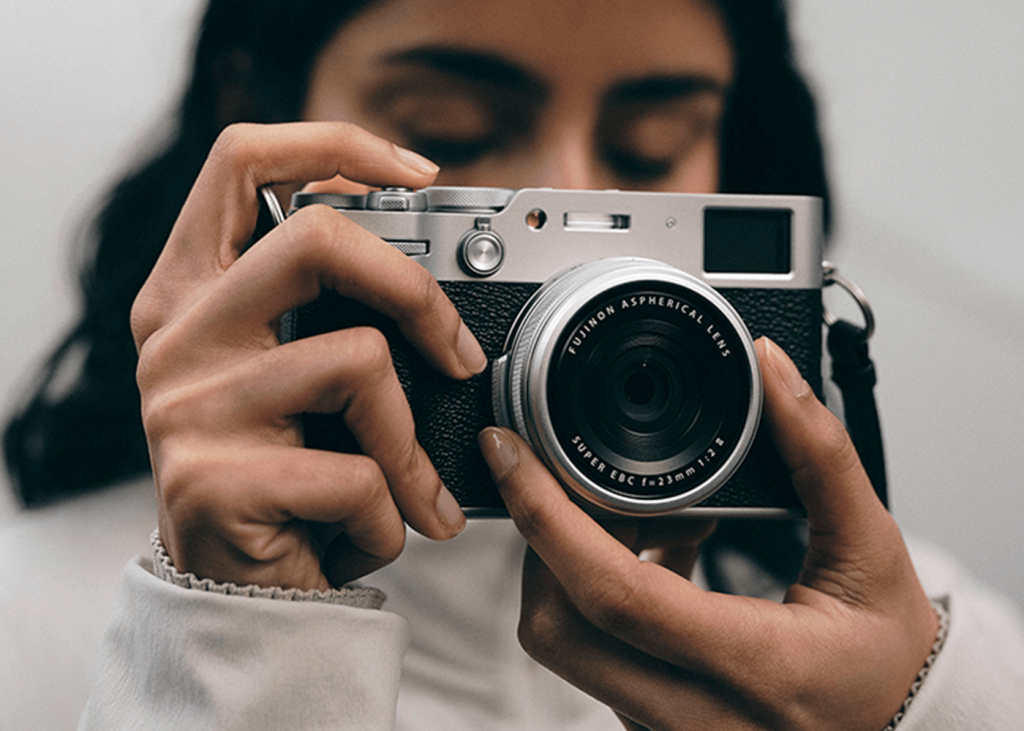
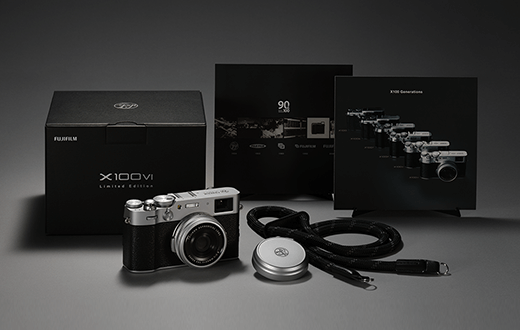
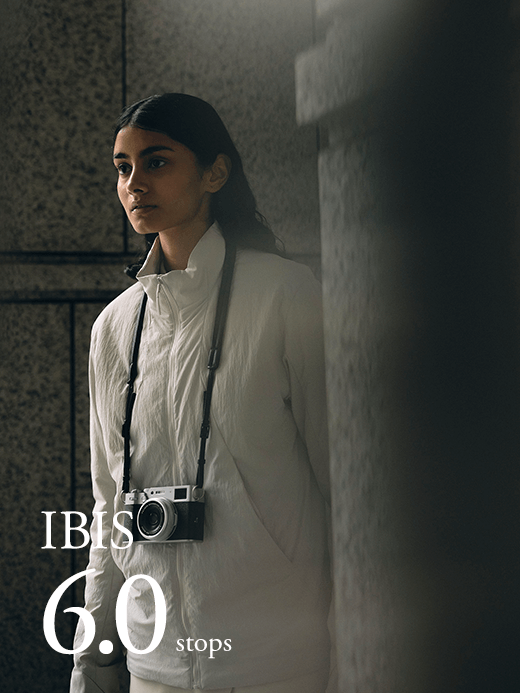
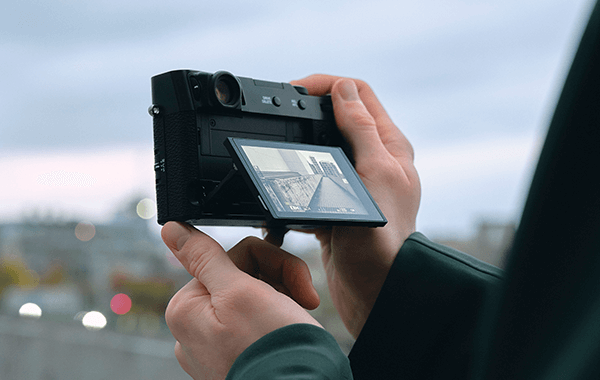
While smartphones rely heavily on computational software to fake background blur and adjust colors, the X100VI achieves authentic, breathtaking imagery through superior hardware.
Here is what makes it stand out:
- Large APS-C Sensor & Premium Lens: It packs a massive 40.2-megapixel sensor paired with a sharp, fixed 23mm F2 lens. This physical combination captures genuine depth, rich textures, and incredible low-light detail that microscopic smartphone lenses fail to reproduce.
- Film Simulation Modes: Fujifilm’s legendary color science is built right into the body. It allows you to recreate classic analog film styles straight out of the camera, completely eliminating the need for tedious editing or generic smartphone filters.
- Tactile, Intentional Experience: Its gorgeous retro-rangefinder design features physical dials for shutter speed, ISO, and aperture. This turns photography into an intentional, tactile craft rather than a mindless screen-tap.
- The Hybrid Viewfinder: It lets you switch instantly between an optical and electronic display, letting you connect deeply with the scene instead of staring at a glaring phone screen.
In short, smartphones are devices for convenience, but the X100VI is a dedicated instrument for creativity. It makes the process of capturing memories just as beautiful as the final photograph itself.
Canon EOS R6 Mark II – A Balanced Full-Frame Leap
The Canon EOS R6 Mark II is a 24.2MP full-frame mirrorless camera launched in late 2022, but it remains a strong choice in 2026. According to published specs, it offers up to 40 fps with the electronic shutter, 12 fps with the mechanical shutter, Dual Pixel CMOS AF II, and stabilization rated up to 8 stops with compatible lenses.
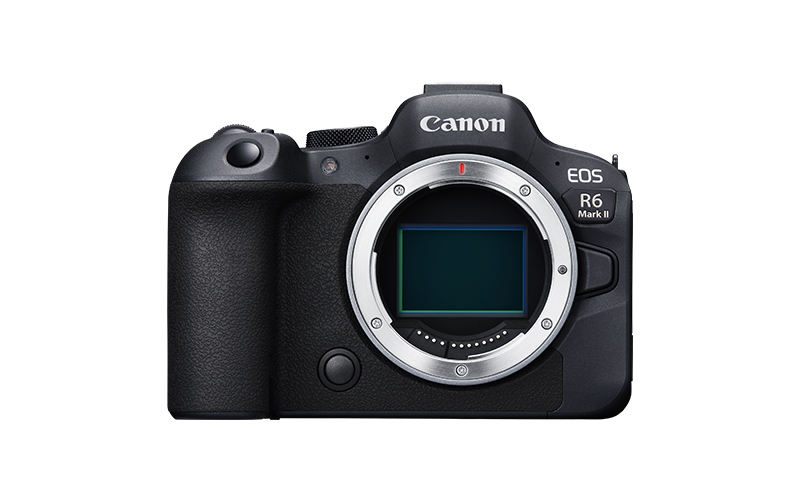
For a person moving from iPhone or Android, the R6 Mark II feels like a huge upgrade in almost every way. It gives cleaner indoor photos, more realistic bokeh, better subject tracking, and compatibility with compact RF lenses that keep the system manageable.
Key pros for ex-smartphone users:
- Clean high-ISO images for events, restaurants, and indoor family photography.
- Natural background blur with fast RF primes.
- Fast subject tracking for children, pets, and sports.
- Excellent hybrid photo and video performance.
- A comfortable canon control layout for long shooting days.
Sony A7 IV – All-Rounder for Creators Coming from Mobile
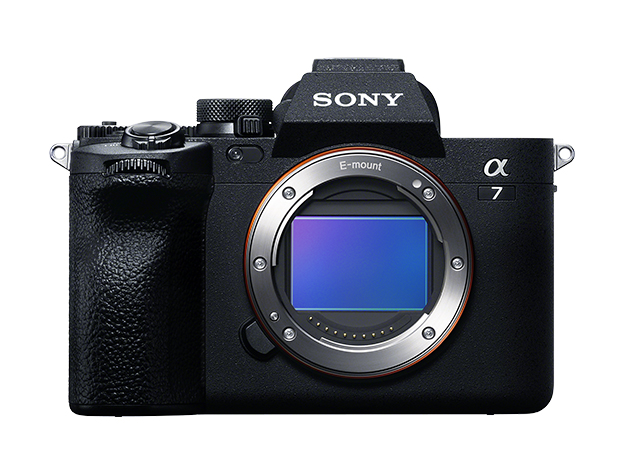
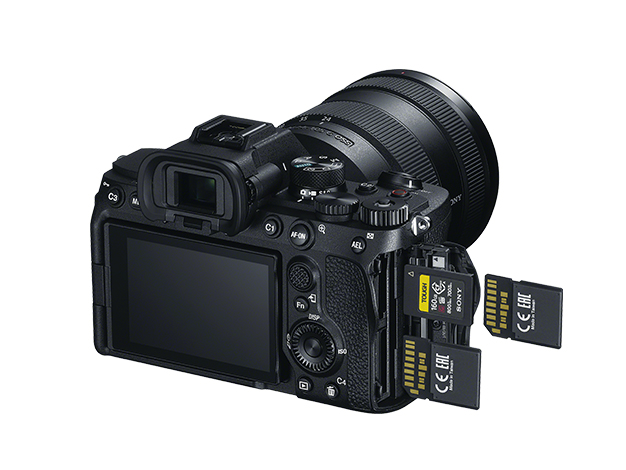
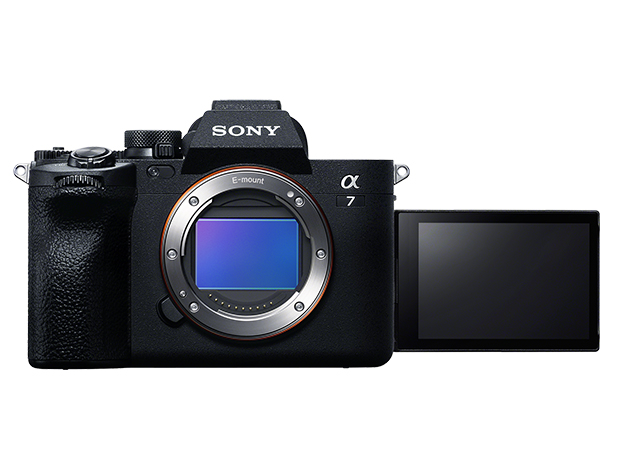
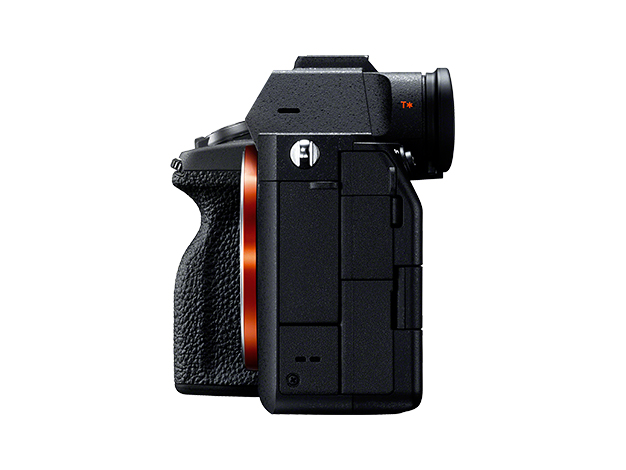
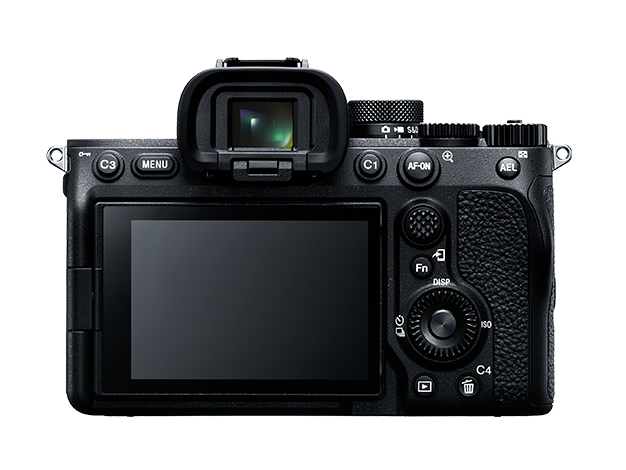
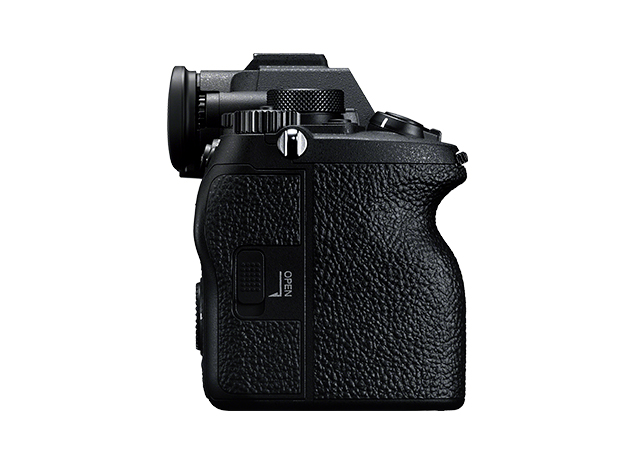
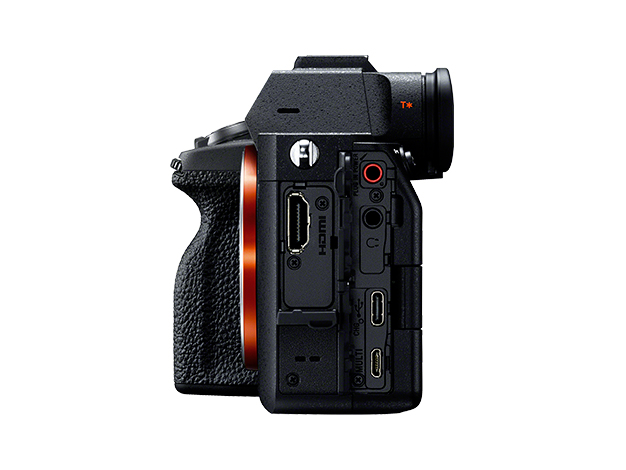
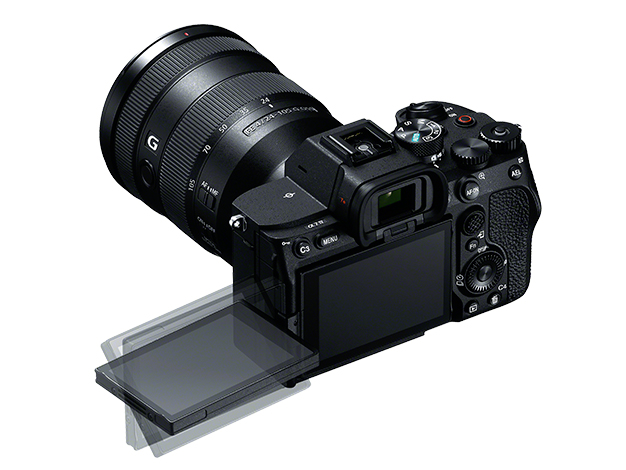
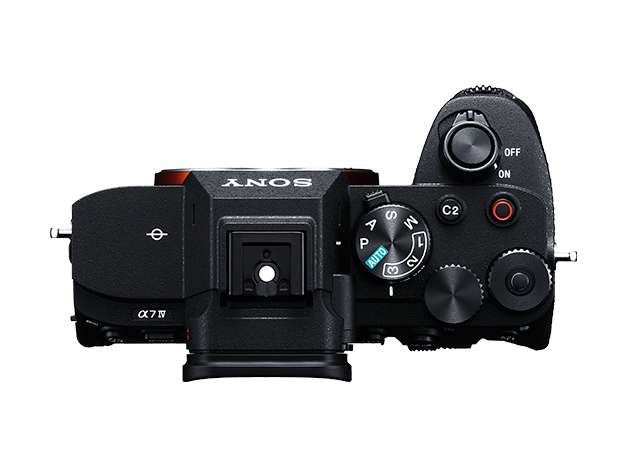
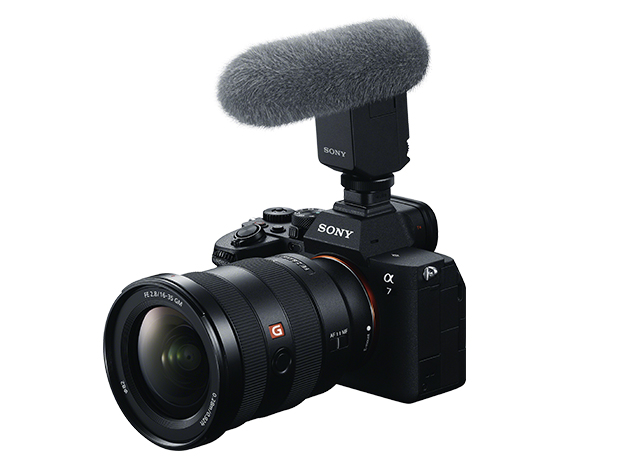
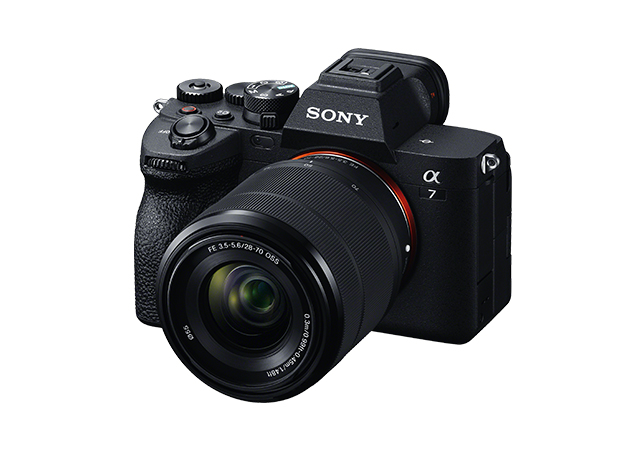
The Sony A7 IV is a 33MP full-frame camera launched in 2021 and still widely used in the market today. It is smaller than old full-frame DSLRs but offers a massive advantage over a phone in detail, autofocus, lens choice, and creative control.
It is especially useful for creators who shoot both videos and stills. With 4K 60p recording, strong autofocus, external audio support, and Sony FE lens access, it is a natural switch for YouTube creators, vloggers, and travel photographers.
Real-world uses include:
- Street photography in Osaka with fast compact primes.
- Travel videos around Kyoto temples with better low light footage.
- Home studio content with real depth of field and cleaner audio.
- Portraits with shallow background blur.
- Landscape and city images with flexible RAW files.
Discovery Japan Mall stocks Japan-domestic A7 IV kits and high-quality FE lenses, making it a strong all-rounder for users who want one system for travel, portraits, and video.
Nikon Z8 – Flagship Power in a Smaller Body
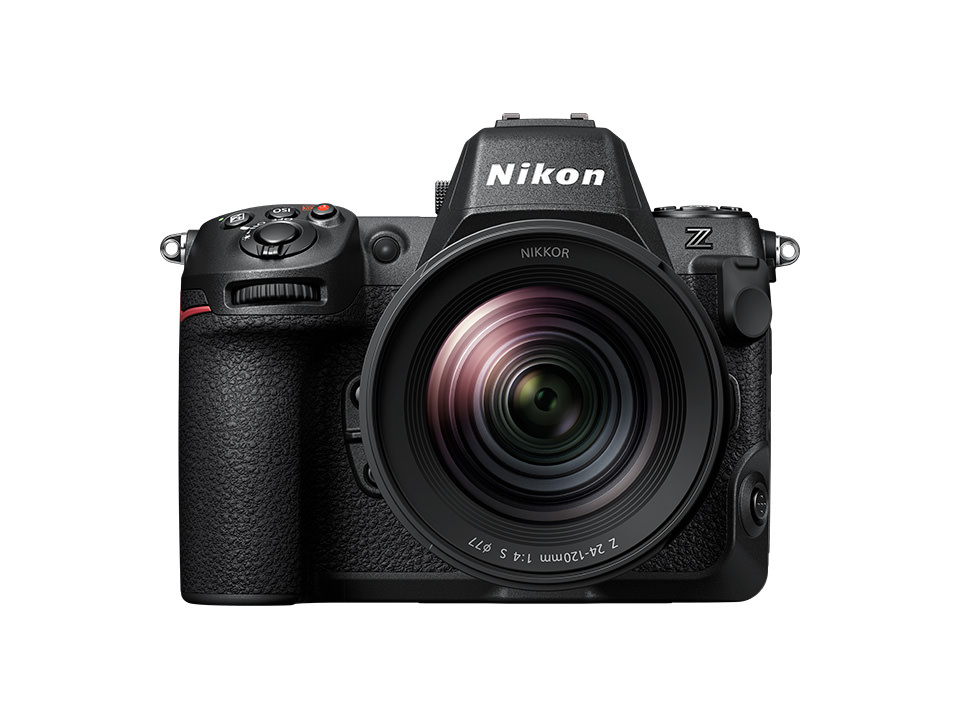
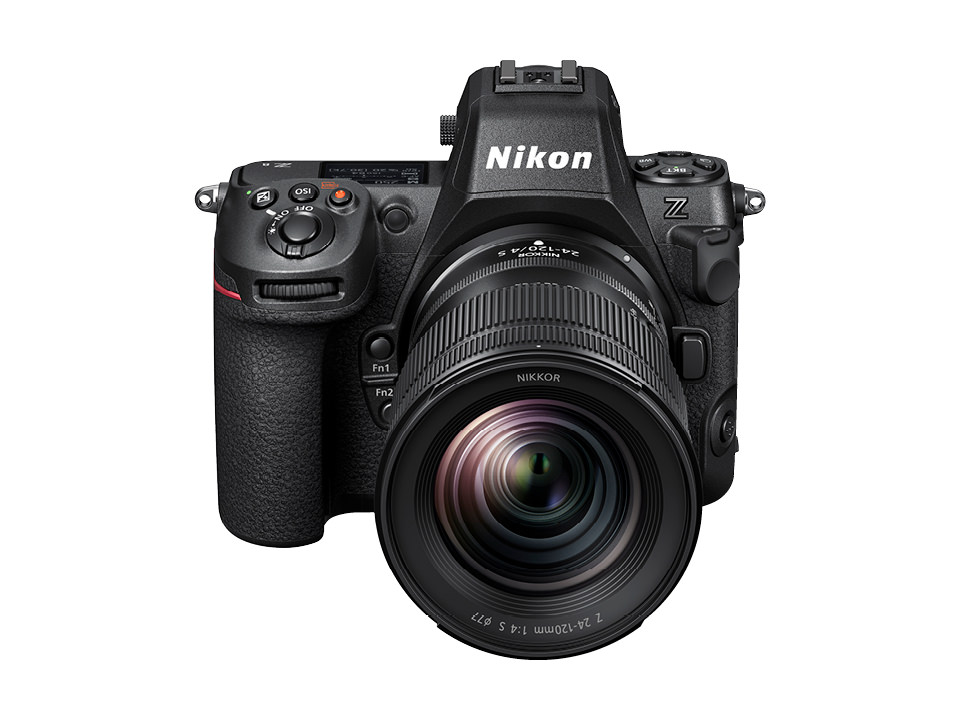
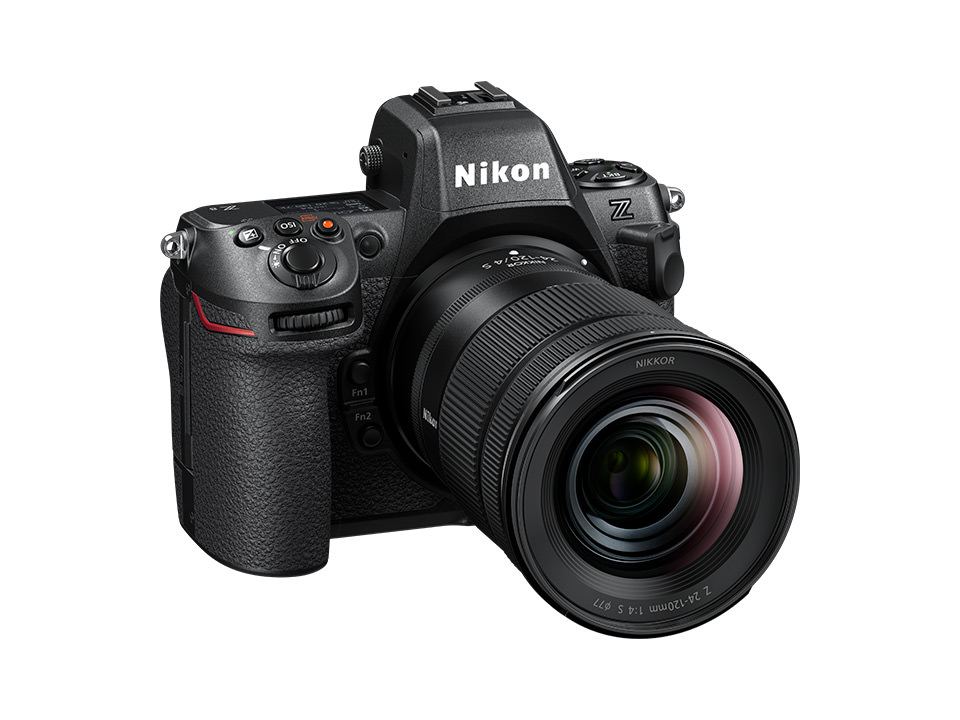
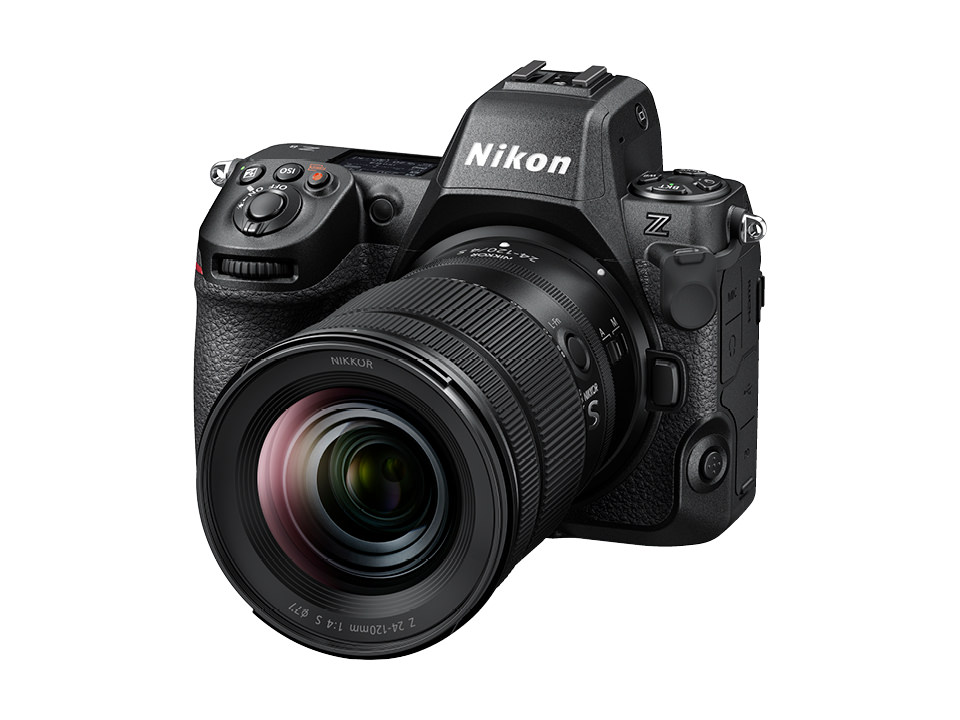
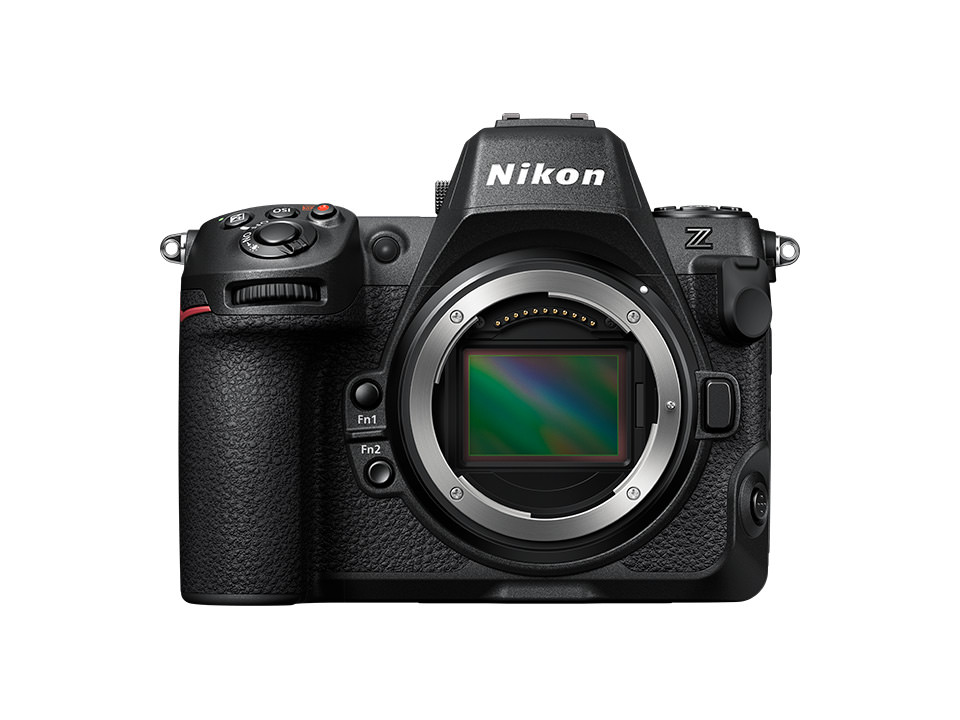
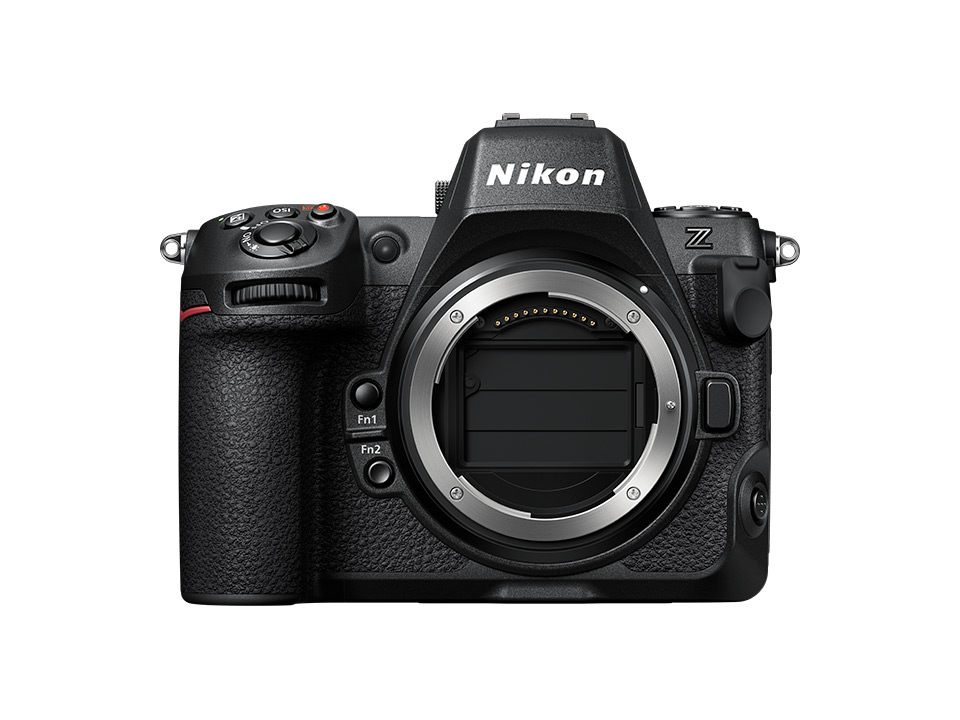
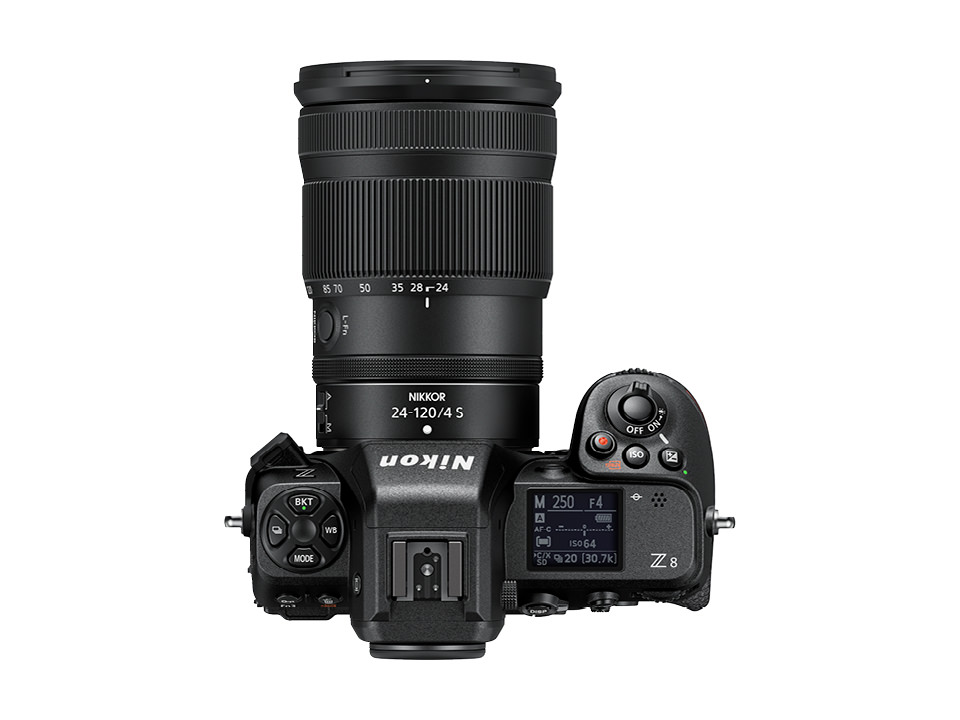
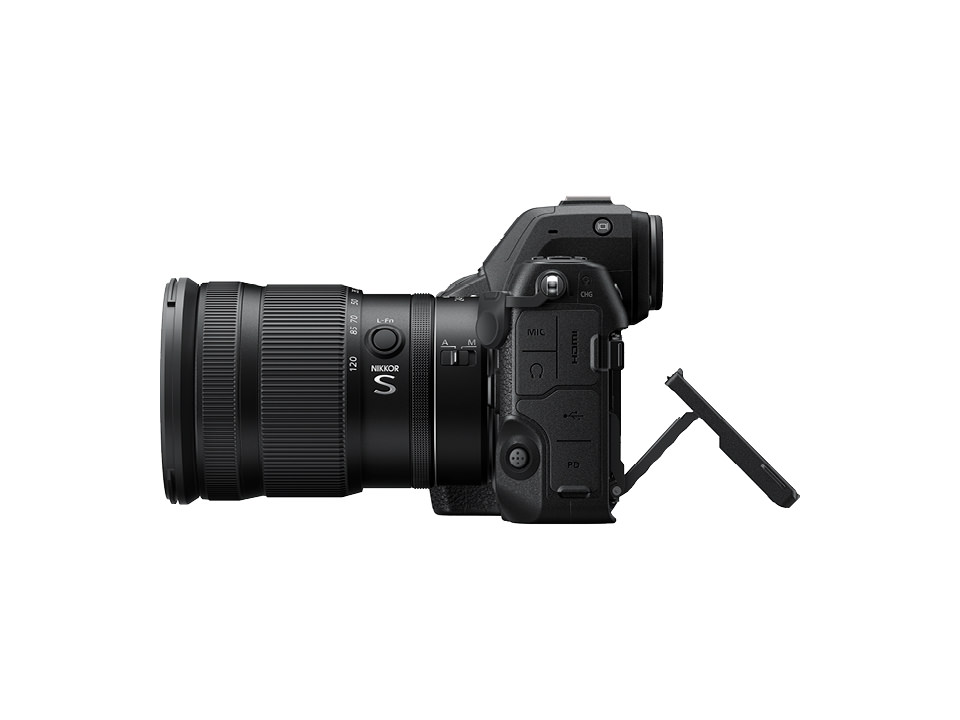
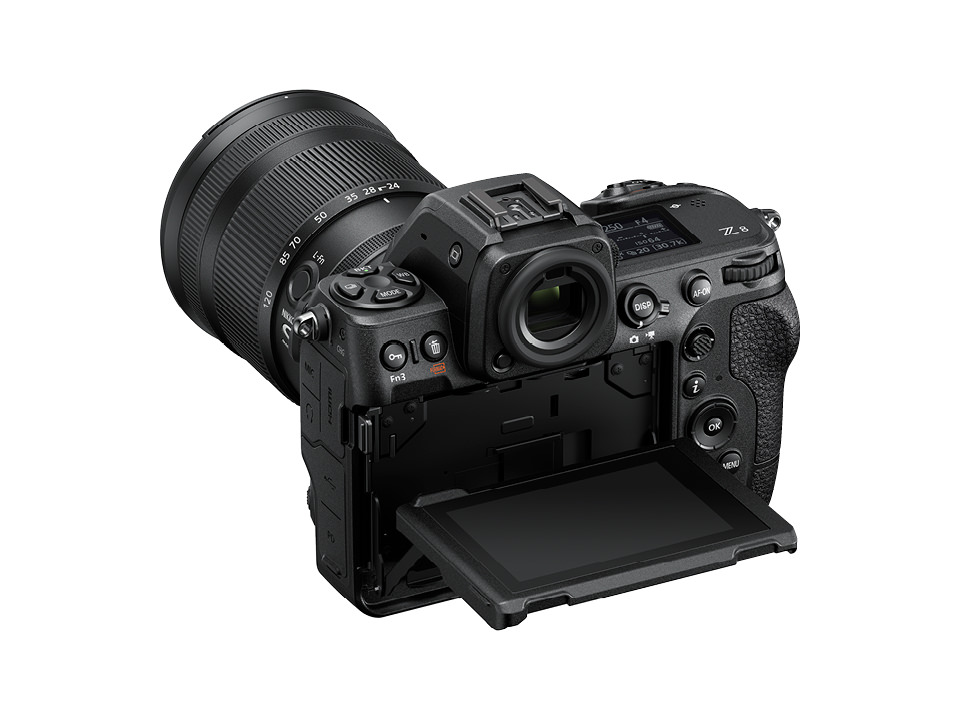
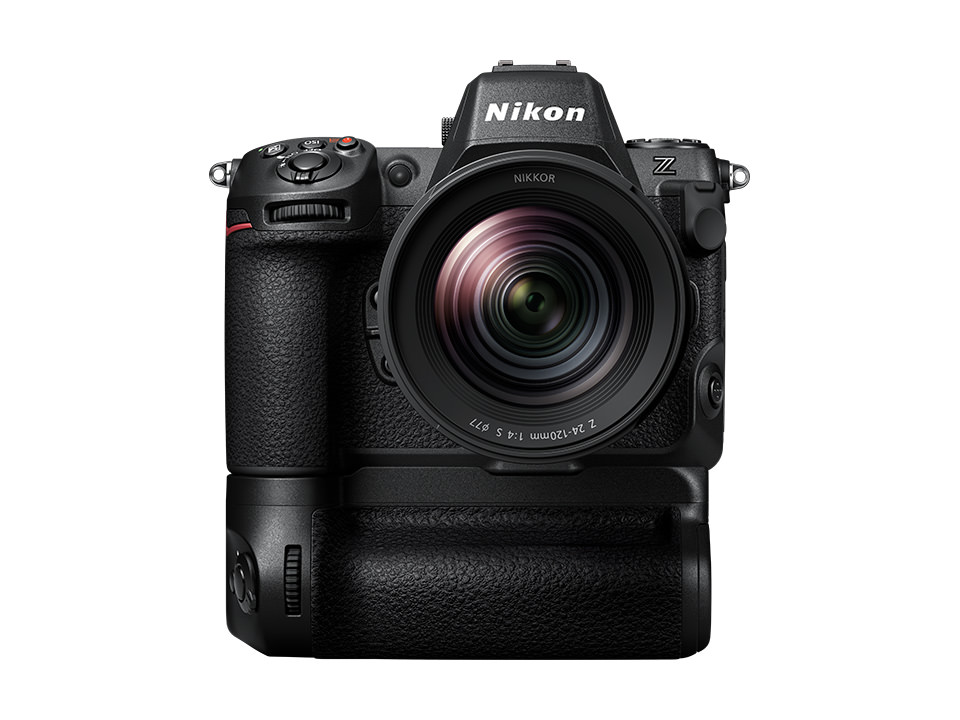
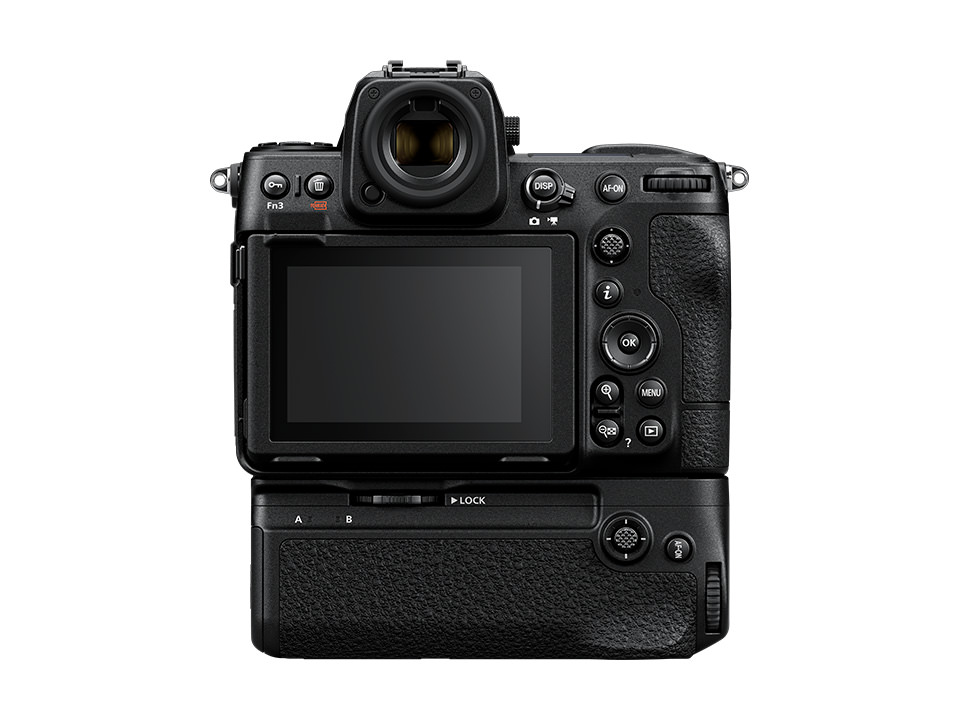
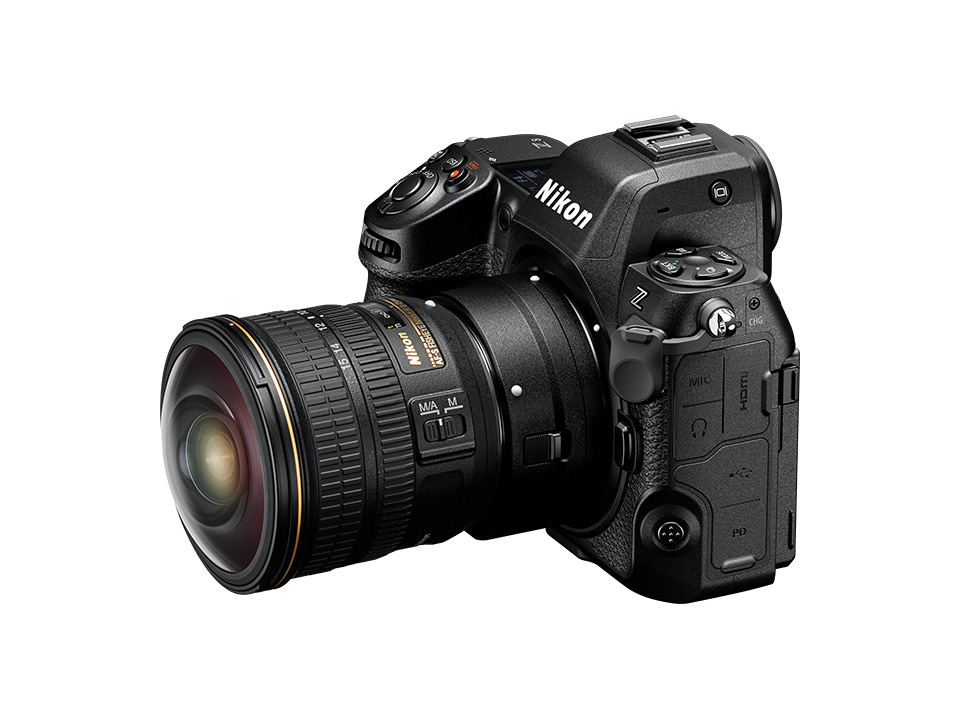
The Nikon Z8, released in 2023, brings much of the Z9 flagship line into a smaller body. It uses a 45.7MP stacked full-frame sensor, advanced subject detection, fast burst shooting, rugged weather sealing, and 8K video.
This is not the first camera most phone users need. But it is the kind of body you grow into when photography becomes serious: wildlife, sports, weddings, commercial work, and demanding landscapes. A landscape photographer, for example, can crop heavily while still keeping high detail.
Why it beats a smartphone:
- 45.7MP files with deep cropping flexibility.
- 20–30 fps burst options for fast action.
- Advanced autofocus for people, animals, vehicles, and birds.
- 8K video for professional hybrid work.
- Rugged build for demanding weather and field use.
Buying through Discovery Japan Mall can also give access to Japan-market Z-mount lenses and specific bundles suited to long-term Nikon users.
Fujifilm X-T5 – APS-C Charm for Color and Travel
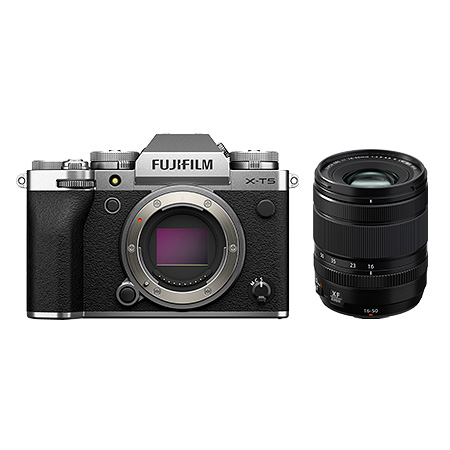
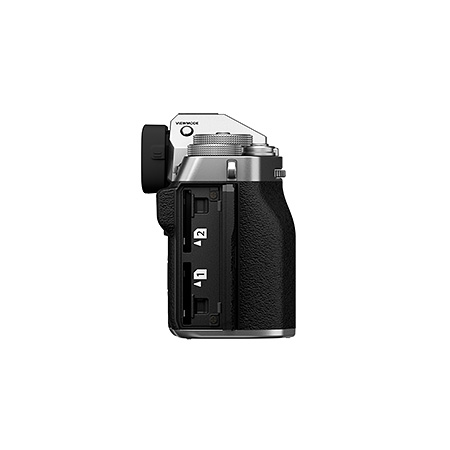
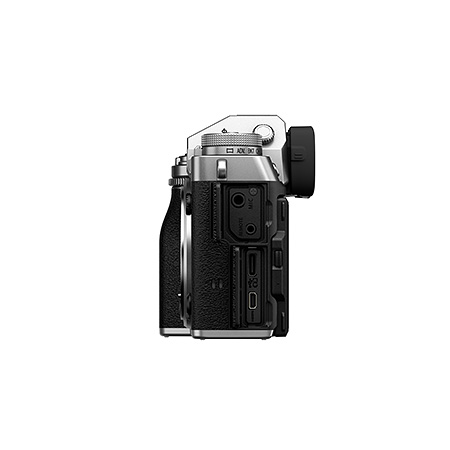
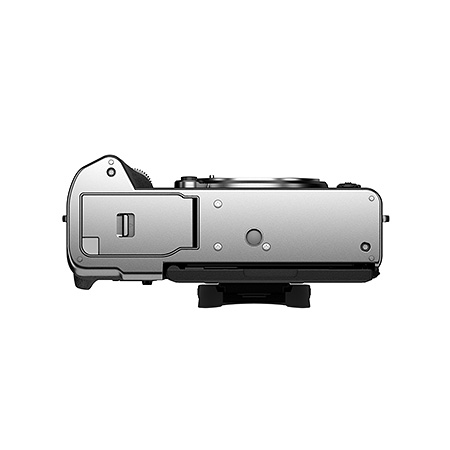
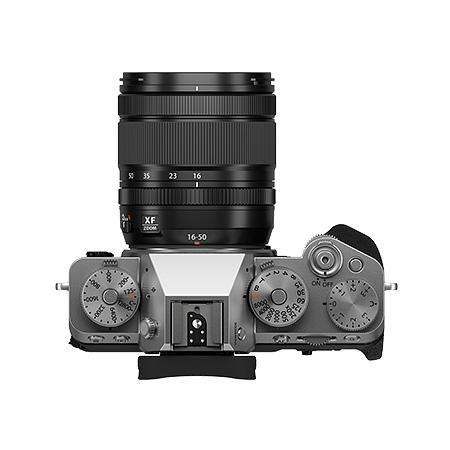
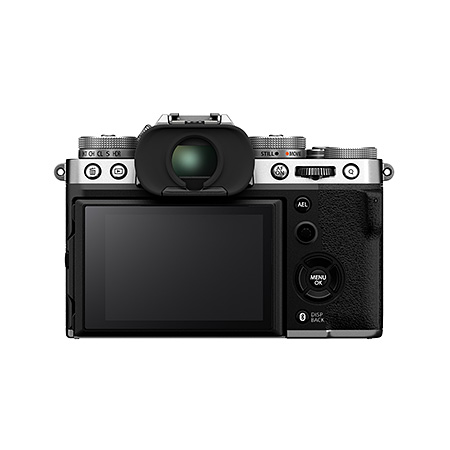
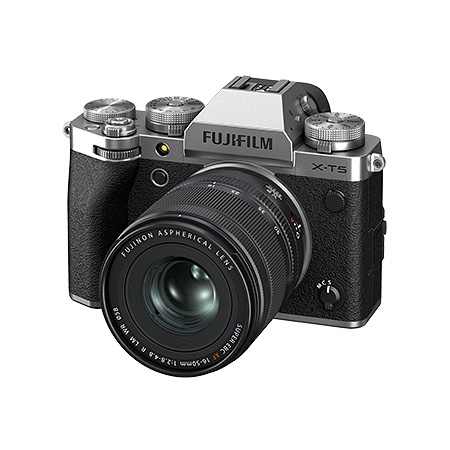
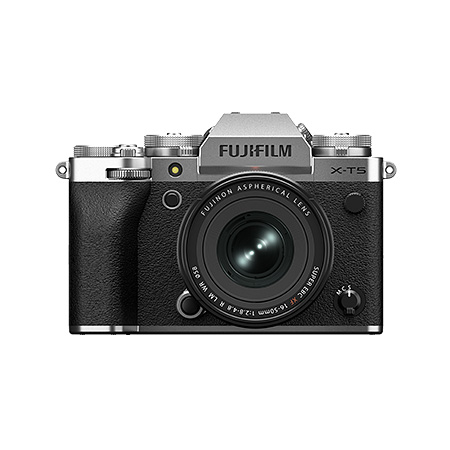
The Fujifilm X-T5 is a 40MP APS-C mirrorless camera released in 2022. It has a high res sensor, classic exposure dials, a compact body, and the kind of tactile ergonomics that feel completely different from tapping a glass screen.
Fuji’s color science and film simulations are a major reason people love this system. Instead of depending on phone filters after the fact, you can choose a creative look before you capture the image.
Strengths for travel and street photography:
- 40MP APS-C resolution for detailed images.
- Physical dials that encourage slower shooting.
- Film simulations for distinctive color.
- Lightweight lenses for Tokyo walks or overseas travel.
- A compact system that still feels serious.
For many users, the X-T5 is the first good camera that makes them leave their smartphone in a pocket during a photo walk.
OM SYSTEM OM-5 – Outdoor Upgrade from Your Phone
Note: The models featured in this blog are for the Japanese market only, and the instruction manual and display are in Japanese. (Functionality is the same as the global model.)
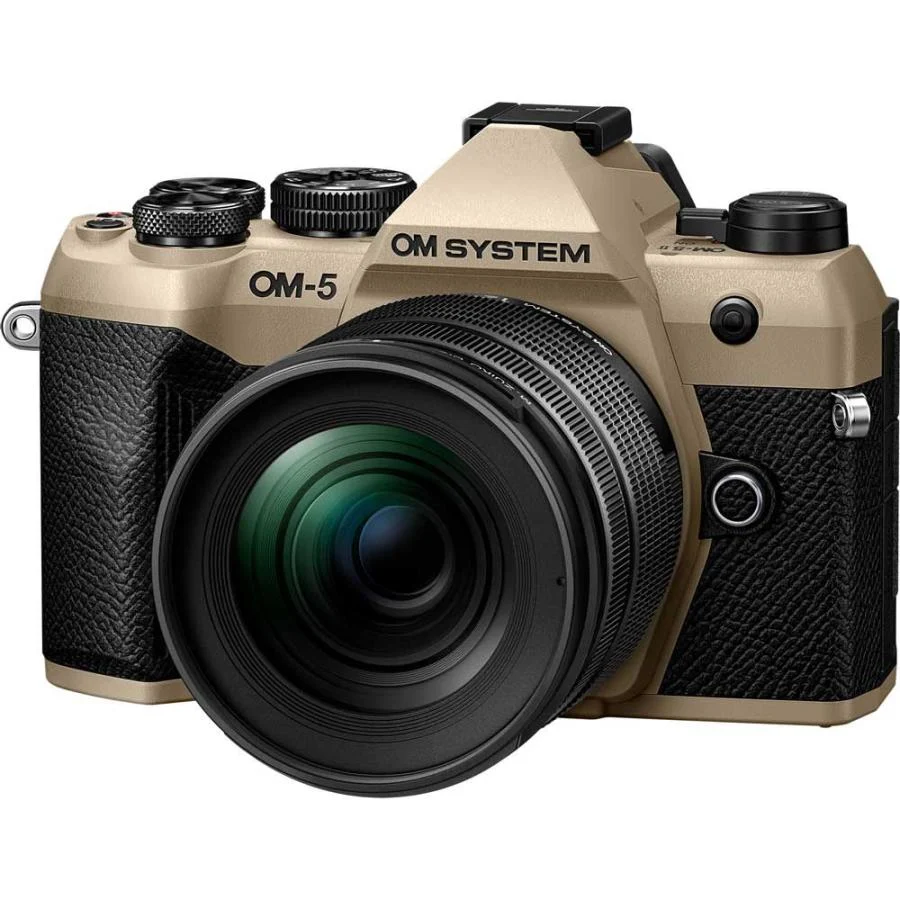
The OM SYSTEM OM-5 is a rugged Micro Four Thirds mirrorless camera released in 2022. It is designed for hikers, travelers, and outdoor photographers who need portability without giving up real optics.
Its strengths are weather sealing, strong in body image stabilization, handheld high-res shooting, and Live ND filters. These features are perfect for Mount Fuji trails, Yakushima forests, rainy streets, and lightweight travel kits.
Advantages over smartphones:
- Compact system size with true interchangeable lenses.
- Powerful stabilization for handheld low light scenes.
- Weather sealing for rain, dust, and cold.
- Handheld high-res modes for extra detail.
- Real telephoto reach without digital zoom softness.
Medium Format: Going Far Beyond Even the Best Smartphones
Medium format means a sensor larger than full frame. The Fujifilm GFX system uses large sensors that deliver exceptional tonality, resolution, and depth. The Fujifilm GFX100 II features a 102MP medium format sensor, making it a dramatic leap past even the best smartphones and standard mirrorless systems.
This category is not about quick snaps. It is about deliberate photography: fine art, studio portraits, high-end commercial work, product photography, and landscape prints larger than A2. Models such as the Fujifilm GFX100 II and Hasselblad X2D 100C show what happens when image quality becomes the top priority, but Discovery Japan Mall naturally focuses on Japanese Fujifilm GFX options.
Medium format advantages include:
- Huge dynamic range for highlight and shadow recovery.
- Extreme detail for large prints and cropping.
- Rich color depth and tonal transitions.
- A distinctive rendering that phones cannot simulate convincingly.
The tradeoff is clear. Medium format systems are bigger, slower, and more expensive. They are not meant to replace a phone for daily notes, quick food photos, or casual social updates. They are for photographers who know exactly why they need maximum files.
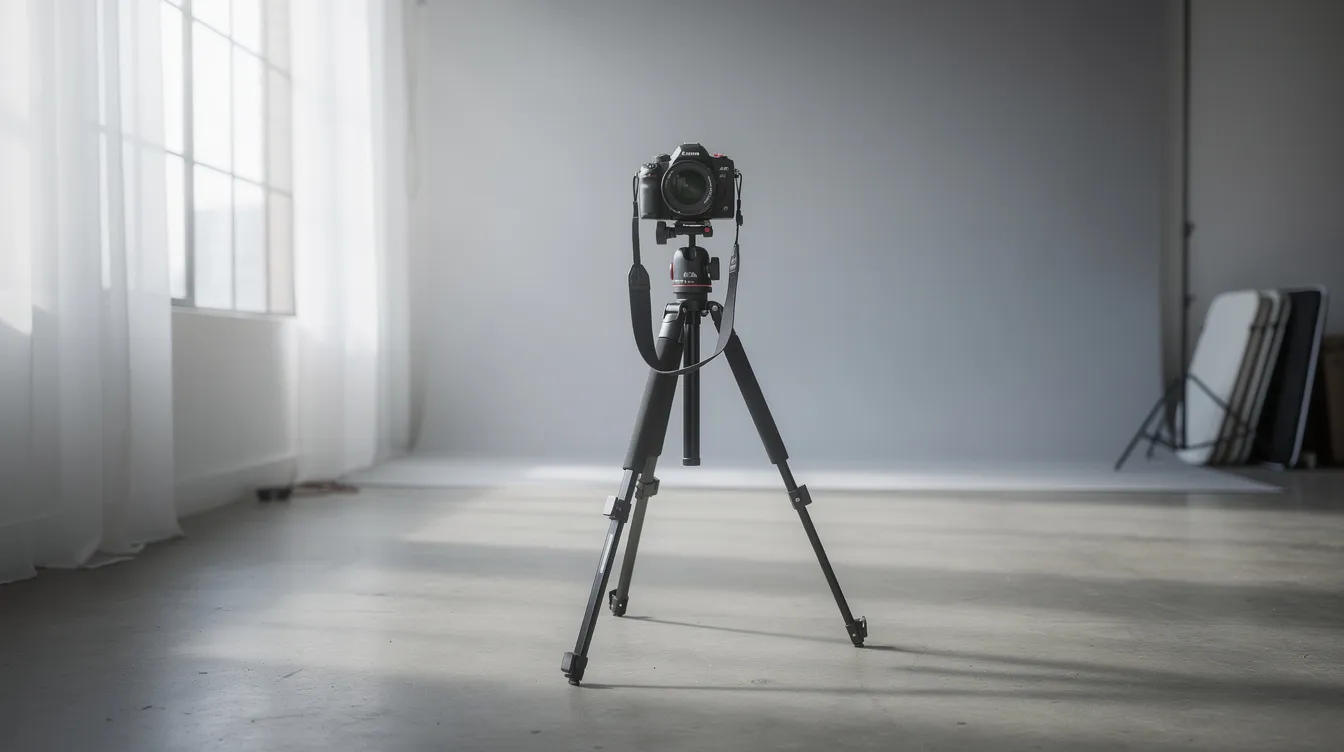
Comparison Table: 5 Japanese Mirrorless Cameras vs Smartphone Shooting
The table below compares five Japanese mirrorless cameras recommended by Discovery Japan Mall with a typical 2025 flagship smartphone camera. Specs vary by configuration, but the differences in sensor size, control, and lens flexibility are easy to see.
| Brand | Model | Sensor Type & Megapixels | Year Released | Body Weight (approx) | Continuous Shooting Speed | IBIS | Video Resolution | Typical Use Case vs Smartphone |
|---|---|---|---|---|---|---|---|---|
| Canon | EOS R6 Mark II | Full-frame, 24.2MP | 2022 | 670g with battery/card | 12 fps mechanical shutter / 40 fps electronic | Yes | 4K 60p, 6K oversampled options | Events, family, action, hybrid shooting |
| Sony | A7 IV | Full-frame, 33MP | 2021 | 658g with battery/card | Up to 10 fps | Yes | 4K 60p in Super35 crop | Travel, portraits, YouTube, vlogging |
| Nikon | Z8 | Full-frame stacked, 45.7MP | 2023 | 910g with battery/card | 20–30 fps depending on mode | Yes | 8K video | Wildlife, sports, commercial, pro hybrid work |
| Fujifilm | X-T5 | APS-C, 40.2MP | 2022 | 557g with battery/card | 15 fps mechanical / 20 fps electronic | Yes | 6.2K 30p, 4K 60p | Street, travel, color-focused everyday photography |
| OM SYSTEM | OM-5 | Micro Four Thirds, 20.4MP | 2022 | 414g with battery/card | 10 fps mechanical / 30 fps electronic | Yes | 4K video | Hiking, outdoor travel, weather-resistant kits |
| Apple / Google class | 2025 flagship smartphone camera | Small multi-camera sensors, often 48MP main output | 2025 | About 200–230g | Computational burst modes | Optical/electronic stabilization | 4K and advanced mobile HDR modes | Daily snapshots, social sharing, convenience-first shooting |
The key difference is not just megapixels. The mirrorless options give larger sensors, real lenses, stronger RAW data, better handling, and more creative control. A smartphone wins on convenience, but a dedicated camera wins when the image needs to survive editing, printing, cropping, or professional delivery.
Choosing the Best Mirrorless Camera After Your Phone
The best mirrorless cameras depend on what you actually shoot. An ex-Instagram user, a travel vlogger, a parent, and an aspiring wedding photographer do not need the same kit.
If you are a beginner vlogger, the Sony A7 IV is a safe step because it balances stills, video, autofocus, and lens support. If you are a travel enthusiast, the Fujifilm X-T5 or OM SYSTEM OM-5 may be better because smaller lenses make the whole kit easier to carry. If you want to become a future wedding photographer, the Canon EOS R6 Mark II gives reliable people tracking, low light performance, and a strong RF lens path. If you are a landscape hobbyist coming from phones, the Nikon Z8 gives resolution and dynamic range that reward careful technique.
A smaller APS-C or Micro Four Thirds body is often the smartest first move because it removes friction. A full frame camera makes sense when you want stronger low light files, more background separation, or pro lens options. Medium format makes sense only when print size, color depth, and commercial image quality are the top priorities.
Of course, a frame camera decision is never just about the body. Think in terms of lens, batteries, cards, bags, and the type of work you want to create in the future. Discovery Japan Mall curates Japan-market models across budgets so users can choose the best mirrorless cameras as systems, not isolated devices.
Accessories That Make the Jump Beyond Smartphones Easier
A phone is an all-in-one device. A dedicated camera system is more flexible, but you need a few accessories to enjoy that flexibility without frustration.
The idea is not to buy everything at once. Start with a minimal kit that improves real shooting conditions and protects your gear.
Must-have accessories:
- Fast prime lens, such as a 35mm f/1.8: useful for low light, portraits, travel, and learning depth of field.
- Standard zoom lens: flexible for everyday photography, family trips, and video.
- Extra battery: essential because mirrorless cameras use more battery power than DSLRs and phones.
- High-speed SD or CFexpress card: necessary for burst shooting, RAW files, and high-bitrate videos.
- Comfortable strap: improves safety and makes a camera easier to carry all day.
- Protective camera bag: useful for city travel, trains, weather, and lens storage.
- Small flash or LED light: helpful when natural light is limited and you need predictable exposure.
Discovery Japan Mall offers Japan-made accessories, including high-speed cards, camera bags, and practical support items that make the switch from smartphone shooting easier.
Life Beyond the Smartphone: Building a Long-Term Photography Habit
Moving beyond the smartphone changes the way you shoot. You slow down. You look at edges, light, background, and timing. You stop depending only on a screen and start building a relationship with the scene.
That is also why minimalist cameras are gaining attention. Minimalist cameras remove distractions for intentional photography. The Camp Snap Pro has no rear display for thoughtful composition. Minimalist cameras encourage slower, more intentional creative processes. The Paper Shoot Camera is made from recycled paper composite. The Kodak M38 offers a true film workflow with no automation. These are limited devices compared with mirrorless systems, but they prove that simplicity can be a creative advantage.
This shift is part of a wider movement in personal technology. The tech landscape is shifting away from screens toward ambient hardware. Smart glasses replace screens with heads-up displays and audio AI. Mixed reality headsets blend digital objects into physical workspaces. Virtual reality headsets enable immersive remote workplace collaboration. Holographic displays project 3D visuals without requiring headsets. Rollable screens are integrated into clothing and furniture.
The same movement appears in wearables and health devices. Smartwatches deliver notification summaries to user wrists. Smart rings act as low-profile fitness and sleep trackers. AI rings control smart home systems through hand gestures. AI wearable pendants record and summarize voice commands. Hearables provide real-time audio translation in conversations. Smart hearables provide biometric sensing and language interpretation. Spatial audio creates natural direction and depth for voice calls. Smart contact lenses provide navigation and notifications directly on the eye.
Health and interface technology is also becoming more ambient. Continuous health monitors track glucose and hydration levels in real time. Continuous biosensors monitor hydration and glucose levels in real-time. Health trackers broadcast biometric data to medical providers. Neural implants allow paralyzed individuals to type using thought. Brain-computer interfaces track neural signals to control software with thought. Wearable EEG bands translate muscle movements into digital commands. Ambient computing uses AI to adjust lighting and security automatically. Smart displays centralize household communication via voice activation. Connected appliances can automatically order supplies without intervention. Commercial robotics integrate visual and spatial awareness for navigating homes.
Photography fits this future because it asks a different question: not “how fast can I share?” but “what is worth keeping?” Try printing your best mirrorless images at A3 or larger. The difference in resolution, tonal range, and detail becomes easier to see than on a phone screen.
Your next steps are simple. Join a photo walk in Tokyo or Osaka, learn manual mode, try RAW editing, and choose one lens to master for a month. A user might start with APS-C in 2026, move to full frame by 2028, and eventually explore GFX or another advanced system as skill grows.
Smartphones are convenient, and they will remain part of everyday life. But when photography becomes more than a quick capture, the creative path leads beyond the smartphone. Discovery Japan Mall is here to help you choose the Japanese camera gear that makes that path feel practical, exciting, and built to last.


Comments