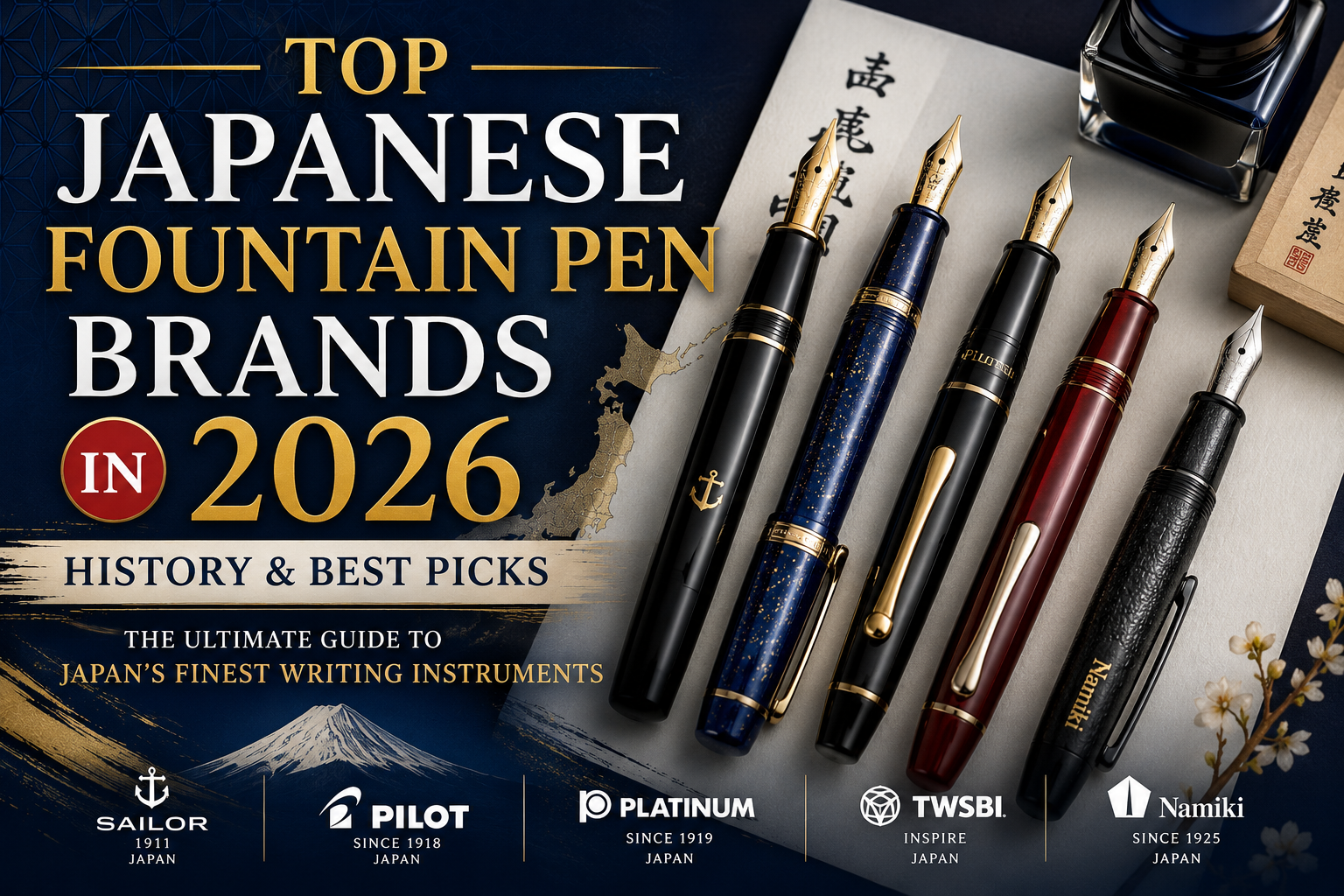
Japan has a reputation for simplicity and excellence in everything from technology to food. The same is true for its stationery. If you’ve spent any time in the fountain pen community, you’ve likely heard people talking about the Big Three. These are the legendary manufacturers that define the Japanese writing experience. They’re coveted by collectors not just for their precision, but for the centuries of artistry baked into every barrel.
But what actually makes a Japanese pen different from a Western one? Is it just the name? It’s more about the soul of the nib. Japanese brands almost always manufacture their own nibs in-house, which gives them total control over the consistency and feel. This guide will walk you through the history of these iconic brands and help you find the best picks for your collection in 2026.
- What makes Japanese fountain pens unique?
- The history of Japanese fountain pen craftsmanship
- Comparison of the Big Three Japanese pen brands
- Top 5 Japanese fountain pen brands to explore in 2026
- Choosing your first Japanese fountain pen
- Discover the perfect Japanese fountain pen at Discovery Japan Mall
- Frequently Asked Questions
- Why should I choose to explore top Japanese fountain pens brands and their history over Western brands?
- What is the most reliable brand to consider when you explore top Japanese fountain pens brands and their history?
- Are the nibs finer when I explore top Japanese fountain pens brands and their history?
- Is it expensive to explore top Japanese fountain pens brands and their history?
- Which inks should I use as I explore top Japanese fountain pens brands and their history?
What makes Japanese fountain pens unique?
The most obvious difference you’ll notice is the nib sizing. Japanese writing is naturally dense and complex, so the nibs need to be much finer and more precise.
- Nib precision: A Japanese Medium nib is usually equivalent to a Western Fine. If you’re coming from a brand like Lamy or Pelikan, you’ll likely need to go up a size to get the line width you’re used to [Source: https://www.jetpens.com/blog/The-Best-Japanese-Fountain-Pens/pt/981].
- In-house craftsmanship: While many European brands outsource their nib production to specialists, Japanese makers like PILOT and SAILOR make everything themselves [Source: https://www.gouletpens.com/blogs/fountain-pen-blog/seven-must-try-japanese-fountain-pens].
- Tactile feedback: You’ll hear writers talk about feedback often. This is the “pencil-like” texture you feel as the nib moves across the paper. It’s the opposite of a glassy, slippery feel, and it gives you much more control over your strokes [Source: https://goldspot.com/blogs/magazine/best-japanese-fountain-pens-youll-love].
- Proprietary systems: Most Japanese brands use their own cartridges and converters. This means a Pilot cartridge won’t fit in a Sailor pen. It can be a bit frustrating, but it ensures the ink flow is perfectly tuned for that specific feed [Source: https://www.jetpens.com/blog/The-Best-Japanese-Fountain-Pens/pt/981].
The history of Japanese fountain pen craftsmanship
The Japanese fountain pen industry as we know it today took off in the early 1900s. While Western designs were the initial influence, Japanese engineers quickly adapted them to suit the needs of Kanji characters.
The journey began with the founding of the three giants. SAILOR was the first, established in 1911 by Kyugoro Sakata in Hiroshima [Source: https://en.sailor.co.jp/about-sailor/history/]. PILOT followed in 1918, originally founded as the Namiki Manufacturing Company by Ryosuke Namiki [Source: https://www.pilot.co.jp/english/]. Just a year later, PLATINUM was born in 1919 under the leadership of Shunichi Nakata [Source: https://www.platinum-pen.co.jp/en/about-us/history/].
During the mid-century, these companies didn’t just survive; they innovated. Pilot introduced the world’s first retractable fountain pen, the Capless (known as the Vanishing Point in the West), in 1963. This was a massive technical achievement that used a click mechanism similar to a ballpoint pen. Today, these brands also preserve traditional arts like Urushi lacquer and Maki-e, where powdered gold and silver are used to create museum-quality designs on pen bodies [Source: https://makoba.com/blogs/the-writers-colony/top-5-japanese-pen-brands].
Comparison of the Big Three Japanese pen brands
If you’re trying to decide which brand fits your style, it helps to look at their “signature” feel. Pilot is known for being smooth and consistent. Sailor focuses on character and feedback. Platinum strikes a balance with precision and technical durability.
| Brand | Signature feel | Famous model | Key innovation |
|---|---|---|---|
| PILOT | Smooth, consistent | Custom 823 | Vanishing Point (Retractable) |
| SAILOR | Pencil-like feedback | Pro Gear | 21k Gold Nibs |
| PLATINUM | Balanced, precise | #3776 Century | Slip & Seal (Anti-dry cap) |
Price ranges are equally diverse. You can pick up a student pen for less than $15 or spend over $5,000 on a handcrafted heirloom. Let’s break down the top brands to explore in 2026.
Top 5 Japanese fountain pen brands to explore in 2026
1. Pilot
Pilot is Japan’s largest and most diverse pen manufacturer. They’re the safe bet for almost any writer because their quality control is incredibly tight. Whether you’re buying a $20 Kakuno or a $300 Custom 823, you can expect a smooth, reliable writing experience right out of the box.

- Pros:
- Incredible smoothness across all price points.
- High ink capacity in vacuum fillers like the Custom 823.
- Innovative designs like the retractable Capless series.
- Cons:
- The proprietary CON-40 converter can be tricky to fill to 100%.
- Clips on entry-level models can feel a bit stiff.
The Pilot Custom 823 is often considered a “holy grail” pen for daily use. It uses a vacuum filling system that holds a massive amount of ink, making it perfect for long writing sessions.
2. Sailor
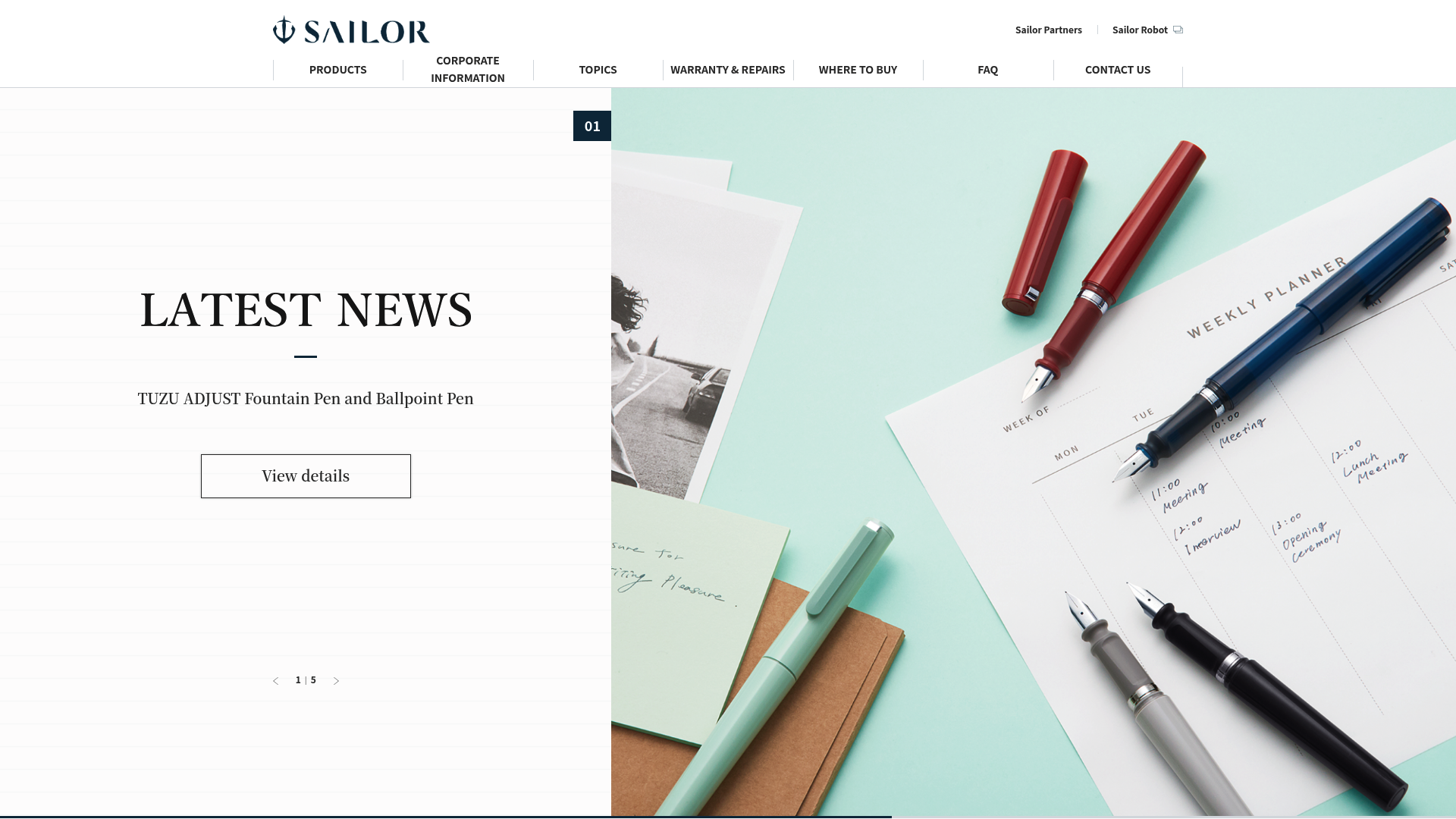
Sailor is the brand for writers who love character. They’re famous for their 21k gold nibs, which offer a unique softness you won’t find anywhere else. They also employ master nib smiths who create specialty grinds like the Zoom or Music nib.
- Pros:
- Unique tactile feedback that provides excellent writing control.
- High-karat 21k gold nibs on most premium models.
- Massive variety of limited edition colors and seasonal sets.
- Cons:
- Converters have lower ink capacity than Pilot’s vacuum systems.
- The feedback can feel “scratchy” if you prefer glassy smoothness.
A recent standout is the TUZU ADJUST, which lets you rotate the grip in 10-degree increments. It’s a clever way to ensure the nib is always perfectly aligned with your hand.
3. Platinum
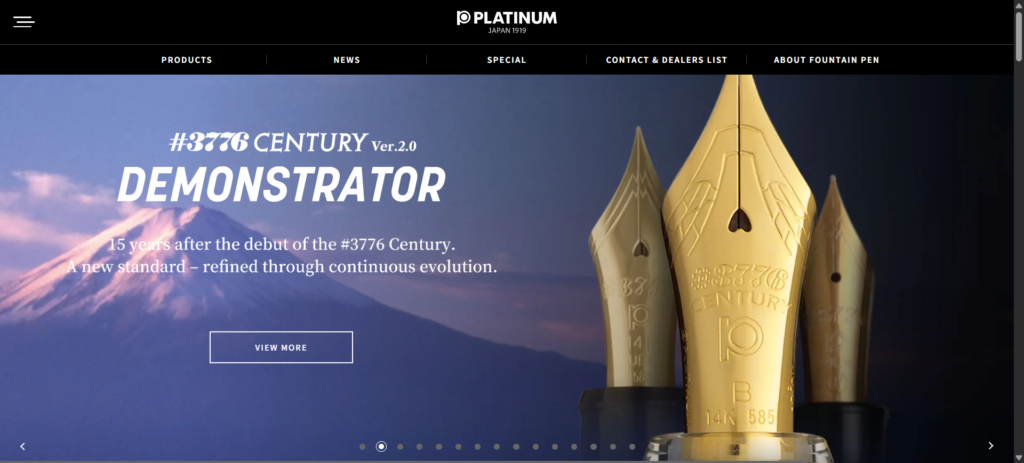
Platinum is the pioneer of practical luxury. Their most famous achievement is the “Slip & Seal” cap mechanism. It uses a spring-loaded inner cap to create an airtight seal, preventing the ink from drying out for up to a year of non-use.
- Pros:
- Slip & Seal technology is the best in the industry for reliability.
- UEF (Ultra Extra Fine) nibs are perfect for tiny, technical writing.
- The Preppy model offers the best value in the budget market.
- Cons:
- The feed can be a bit dry with thicker inks.
- Traditional cigar shapes can feel a bit dated to some users.
Their flagship is the #3776 Century, named after the height of Mt. Fuji. It’s a classic, balanced pen that serves as the perfect entry point into high-quality Japanese gold nibs.
4. Namiki
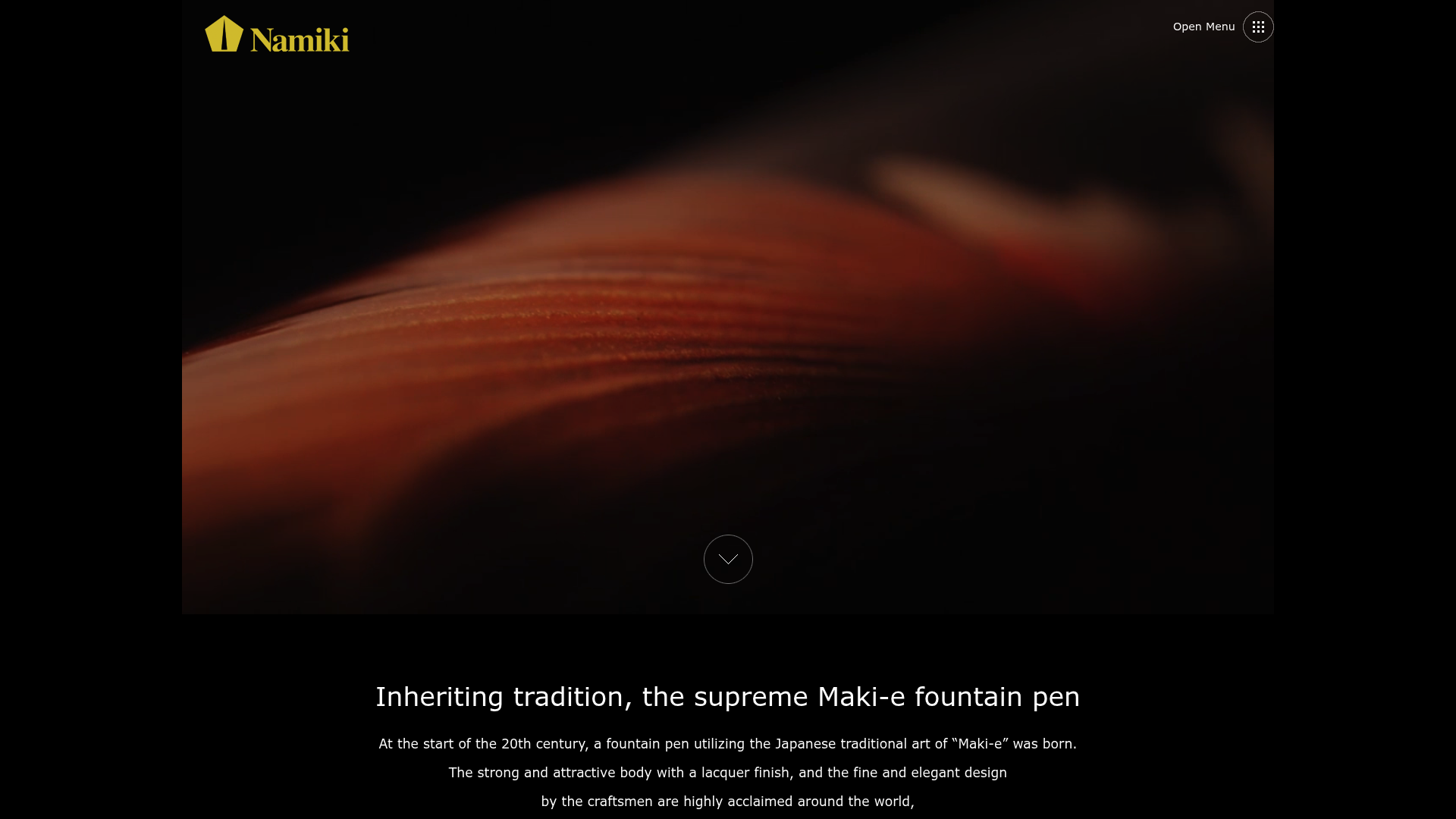
Namiki is the luxury arm of Pilot, and it’s where the brand’s artistic heritage really comes alive. Every pen is a work of art, often utilizing Maki-e techniques where artisans apply multiple layers of lacquer and metallic powders.
- Pros:
- Museum-quality artwork that functions as a reliable writing tool.
- Soft 18k gold nibs that glide across the page.
- Highly collectible with great investment value.
- Cons:
- Very high entry price, usually starting at $500.
- Requires more careful maintenance than resin pens.
If you’re looking for the pinnacle of Japanese craftsmanship, the Emperor collection is the ultimate statement. These oversized pens are hand-painted by master artisans and can take months to complete.
5. Wancher
Wancher is a modern brand that focuses on artisan guardianship. They collaborate with independent Japanese craftsmen to bring traditional materials like Ebonite and Urushi to a global audience. Their “Dream Pen” series has become a favorite for those who want boutique quality without the Big Three’s corporate feel.
- Pros:
- Bold, unique color palettes you won’t find anywhere else.
- High-quality Ebonite construction that feels warm in the hand.
- Interesting collaborations, including glass nib options.
- Cons:
- Limited production runs mean popular models sell out fast.
- Availability can be inconsistent depending on the artisan’s schedule.
Choosing your first Japanese fountain pen
If you’re just starting out, it’s best to keep it simple. The PILOT Kakuno or the PLATINUM Preppy are both under $20 and offer a fantastic introduction to Japanese nibs. They’re durable, easy to clean, and write better than many pens that cost five times as much.
Think about your writing style. Do you want something that feels glassy smooth? Go with Pilot. Do you prefer having more control and feeling the paper? Sailor is your brand. For those who need a pen that will work every time, even if it’s been sitting in a drawer for months, Platinum’s Slip & Seal technology is unbeatable.
Don’t forget the ink. The PILOT Iroshizuku series is world-famous for its vibrant colors and well-behaved flow. Pairing a Japanese pen with Japanese ink is the best way to ensure everything works in perfect harmony.
Discover the perfect Japanese fountain pen at Discovery Japan Mall
When you’re ready to add a piece of Japanese history to your desk, you need a source you can trust. We provide direct access to authentic, Japan-made Stationery and writing tools. Our catalog includes over 74,000 items, ranging from everyday workhorses to rare collectibles you won’t find anywhere else.
Whether you’re looking for the latest PILOT innovations or timeless PLATINUM classics, we’ve got you covered. We also offer a wide selection of Made in Japan SEIKO Watches if you’re a fan of Japanese precision engineering in all its forms.
Explore our Bestsellers today or browse our New arrivals to find your next favorite pen. If you want to learn more about our mission to convey Japan to the world, check out our About us page.
Frequently Asked Questions
Why should I choose to explore top Japanese fountain pens brands and their history over Western brands?
Japanese brands like Pilot, Sailor, and Platinum offer unique in-house nib craftsmanship and finer precision that many Western brands lack. When you explore top Japanese fountain pens brands and their history, you’ll discover a level of technical innovation and traditional artistry that makes every pen feel like a handcrafted tool.
What is the most reliable brand to consider when you explore top Japanese fountain pens brands and their history?
Platinum is widely considered the most reliable due to their Slip & Seal technology, which keeps the nib wet for a year. However, as you explore top Japanese fountain pens brands and their history, you’ll find that Pilot and Sailor are equally renowned for their durability and consistent quality control.
Are the nibs finer when I explore top Japanese fountain pens brands and their history?
Yes, Japanese nibs are generally one size finer than their Western counterparts. For example, a Japanese medium will write like a Western fine. This is a key detail to remember as you explore top Japanese fountain pens brands and their history and decide which model to buy.
Is it expensive to explore top Japanese fountain pens brands and their history?
Not at all. You can start your journey with budget-friendly models like the Pilot Kakuno for under $20. While there are luxury options, you can definitely explore top Japanese fountain pens brands and their history at any price point.
Which inks should I use as I explore top Japanese fountain pens brands and their history?
While many pens use proprietary cartridges, pairing them with Japanese inks like Pilot Iroshizuku ensures the best performance. These inks are highly recommended for anyone who wants to explore top Japanese fountain pens brands and their history with a complete experience.


Comments