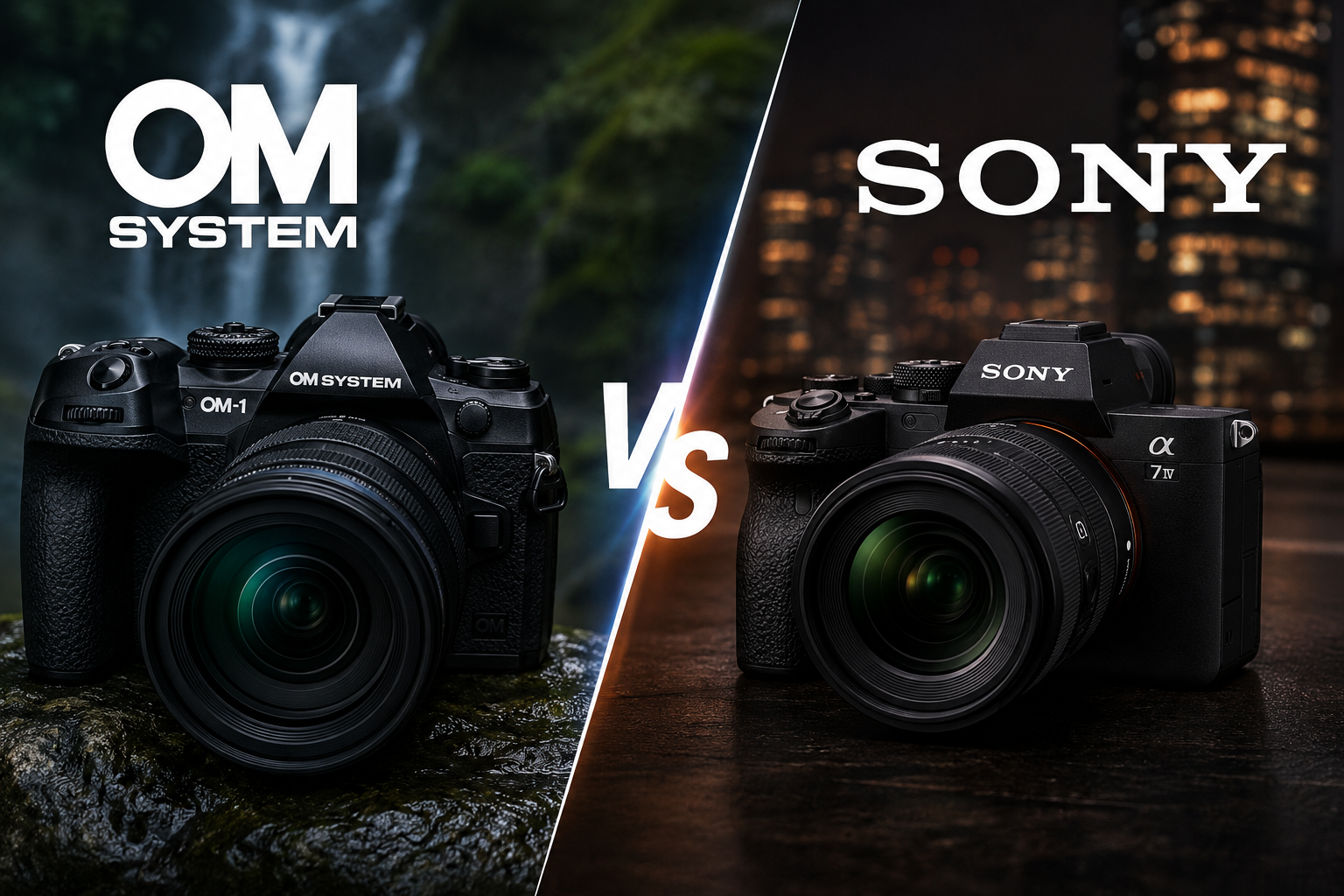
This guide is for photographers considering a new mirrorless camera system in 2026, whether you shoot wildlife, travel, portraits, or video. We compare OM SYSTEM and Sony mirrorless cameras across image quality, durability, autofocus, lens selection, and more, to help you choose the best system for your needs.
If you’re choosing between OM SYSTEM and Sony mirrorless cameras in 2026, the decision comes down to what you actually shoot and how you shoot it. Both systems stand at the top of the mirrorless market, but they serve fundamentally different photographers. Sony dominates full-frame with unmatched sensor technology, autofocus intelligence, and the broadest lens ecosystem in the digital world. OM SYSTEM, the brand that evolved from the Olympus imaging division, has carved out a specialized niche with its Micro Four Thirds cameras – compact, weather resistant, and purpose-built for outdoor and adventure photography. The single biggest factor separating these two systems is sensor size, and everything else – image quality, weight, reach, durability, cost – flows from that core difference.
The short answer: For most photographers in 2026, Sony’s full-frame Alpha series offers greater versatility, superior low-light performance, and a larger lens ecosystem, making it the stronger all-around choice. But if you prioritize portability, extreme weather durability, and telephoto reach for wildlife and nature photography, OM SYSTEM delivers advantages that Sony simply cannot match at the same size and weight. Choose based on how and where you shoot, not on brand prestige alone.
- What Is OM SYSTEM?
- What Is Sony?
- OM SYSTEM vs Sony: How They Compare at a Glance
- Image Quality and Sensor Performance in the Four Thirds System
- Weather Resistant Features and Durability
- Autofocus and Shooting Performance
- Size, Weight, and Portability
- Lens Selection, Wide Angle Lenses, and Ecosystem
- OM SYSTEM vs Sony: Which Should You Choose?
- Frequently Asked Questions
What Is OM SYSTEM?
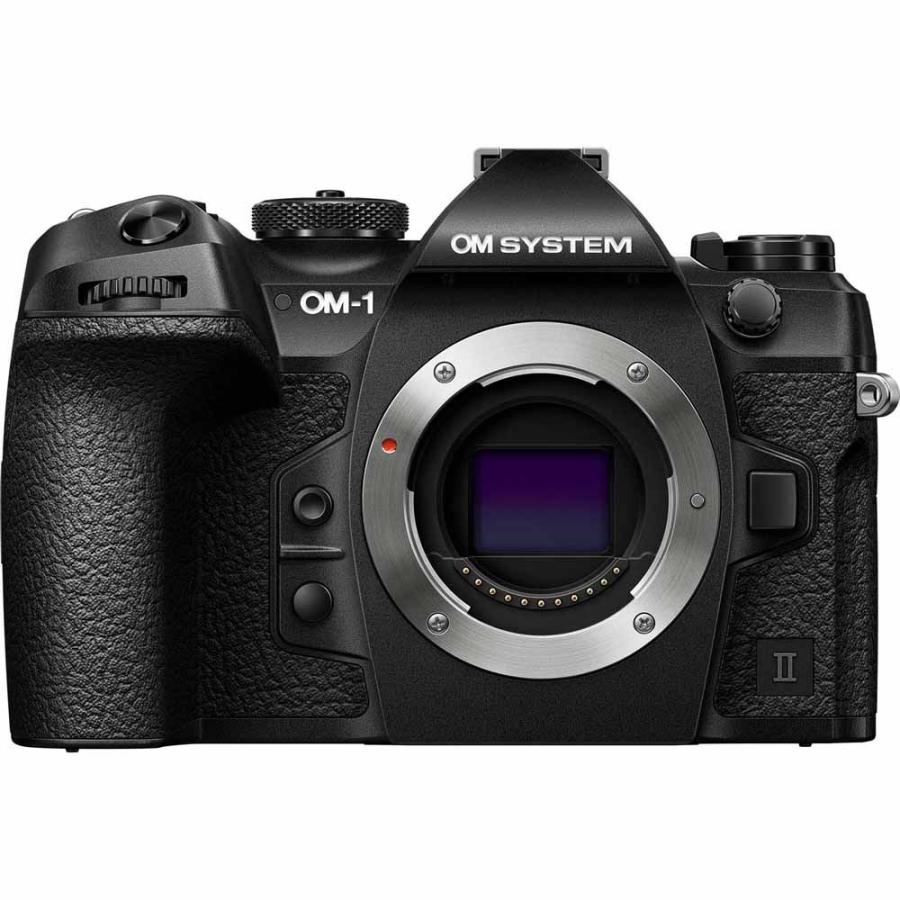
OM SYSTEM (OM Digital Solutions) is the successor brand to Olympus’s legendary camera line – a heritage stretching back to the Olympus OM-1, originally called the Olympus M-1, introduced in 1972 as a 35mm SLR. The OM System specializes in Micro Four Thirds cameras and lenses. Micro Four Thirds is a camera system format known for its compact sensor size and lens mount, which OM SYSTEM specializes in. The OM System continues the legacy of Olympus imaging products, specializing in Micro Four Thirds cameras and lenses built for demanding field conditions.
Its defining strengths in 2026 include:
- Exceptional weather sealing: OM SYSTEM cameras are splash, dust, and freezeproof, with the flagship OM-1 Mark II carrying an IP53 rating and freeze-proof operation down to −10 °C.
- Powerful image stabilization: Up to 8.5 EV stops of sensor-shift 5-axis IBIS, enabling handheld shooting in conditions that would require a tripod on other systems.
- Compact, lightweight design: The micro four thirds sensor format keeps bodies and lenses significantly smaller and lighter than full-frame equivalents.
- Advanced computational photography tools: Features like Live ND filters (which digitally simulate the effect of physical filters in the camera), handheld high-resolution mode, and focus stacking set OM SYSTEM apart from conventional cameras.
What Is Sony?
Sony is the full-frame mirrorless market leader, and its Alpha series remains the most popular camera system among professionals and enthusiasts heading into 2026. With models ranging from the versatile α7 IV to the 66.8 MP A7R V and the flagship α1 II, Sony covers virtually every photography and video need.
Key strengths:
- Leading sensor technology – full-frame sensors with up to 66.8 MP, delivering outstanding dynamic range, low-light performance, and resolution for large prints.
- Best-in-class autofocus – Real-Time Recognition AF with AI-driven subject detection for people, animals, birds, and vehicles across nearly the entire sensor area.
- Massive lens ecosystem – dozens of native FE-mount lenses plus extensive third-party support from Sigma, Tamron, and others, covering everything from wide angle lenses to super telephoto lenses.
- Hybrid photo/video capability – oversampled 4K video, high frame-rate shooting, and professional-grade video features make Sony the go-to for hybrid creators.
OM SYSTEM vs Sony: How They Compare at a Glance
| Factor | OM SYSTEM (OM-1 Mark II) | Sony (α7 V / A7R VI) |
|---|---|---|
| Best for | Wildlife, nature, outdoor adventure, travel | Studio, portraits, low-light, video hybrid |
| Price (body) | ~USD $2,399 | α7 V ~USD $2,800–3,000; A7R VI higher |
| Sensor size | Micro Four Thirds (17.3 × 13.0 mm) | Full Frame (36 × 24 mm) |
| Megapixels | 20.4 MP (stacked BSI) | 33 MP (α7 V) / 66.8 MP (A7R VI) |
| IBIS | Up to 8.5 stops | 7–8.5 stops (model-dependent) |
| Weather sealing | IP53 rated, freeze-proof to −10 °C | Weather-sealed, but less specifically rated |
| Burst rate | Up to 120 fps (electronic, AF-S) | Up to 30 fps (blackout-free electronic) |
| Lens selection | M.Zuiko PRO line + legacy Olympus MFT | 70+ FE lenses + extensive third-party |
| Body weight | 511 g (with battery/card) | Typically 650–750 g+ depending on model |
The headline takeaway: OM SYSTEM wins on portability, durability, and telephoto reach per gram, while Sony wins on image quality, lens variety, and low-light capability.
Image Quality and Sensor Performance in the Four Thirds System
This is where sensor size matters most – and where many photographers feel the pull toward full-frame. Sony’s full-frame sensors offer roughly four times the surface area of OM SYSTEM’s micro four thirds sensor, which translates directly into cleaner high-ISO images, wider dynamic range, and more resolution for cropping or large prints.
Full-frame systems typically deliver 14–15 stops of dynamic range, while MFT sensors reach about 12–13 stops. In practice, this means Sony cameras recover more detail from deep shadows and blown highlights in high-contrast scenes – a real advantage for landscape and event photography. At higher ISOs, the difference becomes more pronounced: the OM-1 Mark II holds acceptable noise levels through ISO 3200, but Sony full-frame bodies like the α7 V push cleanly to ISO 6400 and beyond.
Resolution tells a similar story. The OM-1 Mark II’s 20.4 MP sensor produces images around 5184 × 3888 pixels – suitable for prints up to roughly 17 × 13 inches at 300 ppi. Sony’s 33 MP α7 V or the 66.8 MP A7R VI enable significantly larger prints and far more aggressive cropping while retaining sharp detail.
That said, OM SYSTEM fights back with computational photography that enhances creative and expressive photography. OM System captures high-resolution images without requiring a tripod through its handheld high-res shot mode, which composites multiple exposures into a single high-resolution file. The seamless blending of multiple images in focus stacking and Live ND filters add creative capabilities that Sony bodies don’t offer natively.
Winner: Sony – full-frame sensor advantages in dynamic range, noise performance, and resolution are significant and physics-based. OM SYSTEM’s computational tools narrow the gap in specific scenarios, but they can’t fully overcome the fundamental sensor size difference for critical image quality work.
Weather Resistant Features and Durability
This is where OM SYSTEM stands apart from virtually every competitor in the market, not just Sony. OM SYSTEM cameras are designed for harsh outdoor environments, featuring splash, dust, and freezeproof construction with a specific IP53 rating on the OM-1 Mark II. Many photographers who shoot in heavy rain, snow, or dusty desert conditions report the OM-1 Mark II performing flawlessly where other cameras would need protective housing, which adds real ease when shooting in bad weather without changing how hard you push the gear.
The M.Zuiko PRO lenses match this durability – weather-sealed throughout the lineup, they protect against dust and moisture ingress even in sustained adverse conditions. The lighter weight of MFT gear also reduces mechanical stress on lens mounts during extended field carry, which is a practical durability advantage many people overlook.
Sony offers weather sealing on its higher-end Alpha bodies (A7 series, A9, α1), and these cameras are certainly robust. However, Sony doesn’t publicly quantify weather resistance with specific IP ratings on most models, and cold-weather performance varies. For studio, city, or mild outdoor conditions, Sony’s sealing is more than adequate. For expedition-level adventure photography – think monsoon season in Southeast Asia, Arctic wildlife shoots, or Saharan dust – OM SYSTEM gear is purpose-built for conditions that would make most photographers nervous about their equipment.
Winner: OM SYSTEM – the IP53 rating, freeze-proof construction, and matched lens sealing give OM SYSTEM a clear, quantifiable edge in durability for outdoor and adventure photography. Sony holds up well in normal field conditions but doesn’t match OM’s extreme-weather confidence.
Autofocus and Shooting Performance
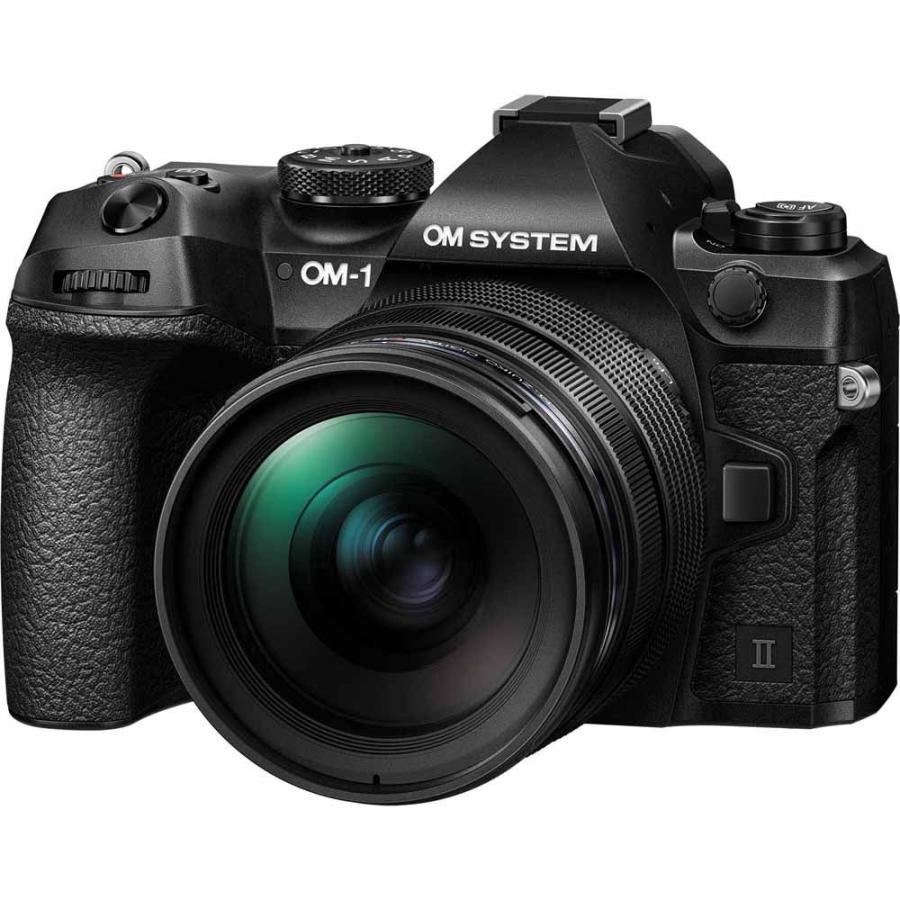
Both systems deliver outstanding autofocus in 2026, but they approach the problem differently. The OM-1 Mark II features 1,053 phase-detection cross-type AF points with AI Subject Detection AF that tracks specific subjects – birds, animals, vehicles, and people – across the frame. Key shooting information is clearly displayed in the electronic viewfinder for the user while tracking subjects. Its headline shooting spec is 120 fps in RAW with electronic shutter (AF-S mode), with a buffer capacity exceeding 200 RAW frames at certain burst rates. The Pro Capture mode, which buffers frames before you fully press the shutter, is a feature wildlife photographers find invaluable for capturing unpredictable moments. OM SYSTEM also includes high-speed shooting capabilities that few competitors can match in raw frame rate.
Sony’s α7 V counters with Real-Time Recognition AF and blackout-free electronic shutter shooting at up to 30 fps. The A7R VI pushes this further with 30 fps mechanical and electronic shutter options. Sony’s AF tracking is arguably the most refined in the industry – its subject recognition is faster and more accurate in challenging conditions, and it covers a wider range of subjects with more granular control.
The trade-off worth noting: OM SYSTEM’s 120 fps burst rate only works with single-shot AF (AF-S), not continuous tracking. For fast, erratic subjects, the effective continuous AF burst rate drops to around 50 fps electronic or 10 fps mechanical. Sony’s 30 fps with full continuous tracking may actually capture more keepers of fast-moving wildlife or sports subjects, even at the lower frame rate.
For telephoto reach in wildlife and bird photography, OM SYSTEM gains an inherent advantage from the M43 sensor crop factor, which provides greater telephoto reach with lighter lenses. A 150–600mm lens on the OM-1 Mark II delivers an effective 300–1200mm field of view – reach that would require enormously heavy and expensive super telephoto lenses on Sony’s full-frame system.
Winner: Tie – depends on shooting scenario. Sony wins for AF tracking accuracy and continuous-AF burst reliability. OM SYSTEM wins for raw frame rate, Pro Capture anticipation, and telephoto reach per kilogram of kit. For birds in flight and fast wildlife, both are excellent – the choice depends on whether you value reach and speed (OM) or tracking precision (Sony).
Size, Weight, and Portability
This is OM SYSTEM’s most straightforward advantage, and the reason many photographers who’ve switched to the four thirds system never look back. The OM-1 Mark II body weighs just 511 g with battery and card. Pair it with compact M.Zuiko PRO lenses, and a complete wildlife or landscape kit can weigh half what an equivalent Sony full-frame setup does.
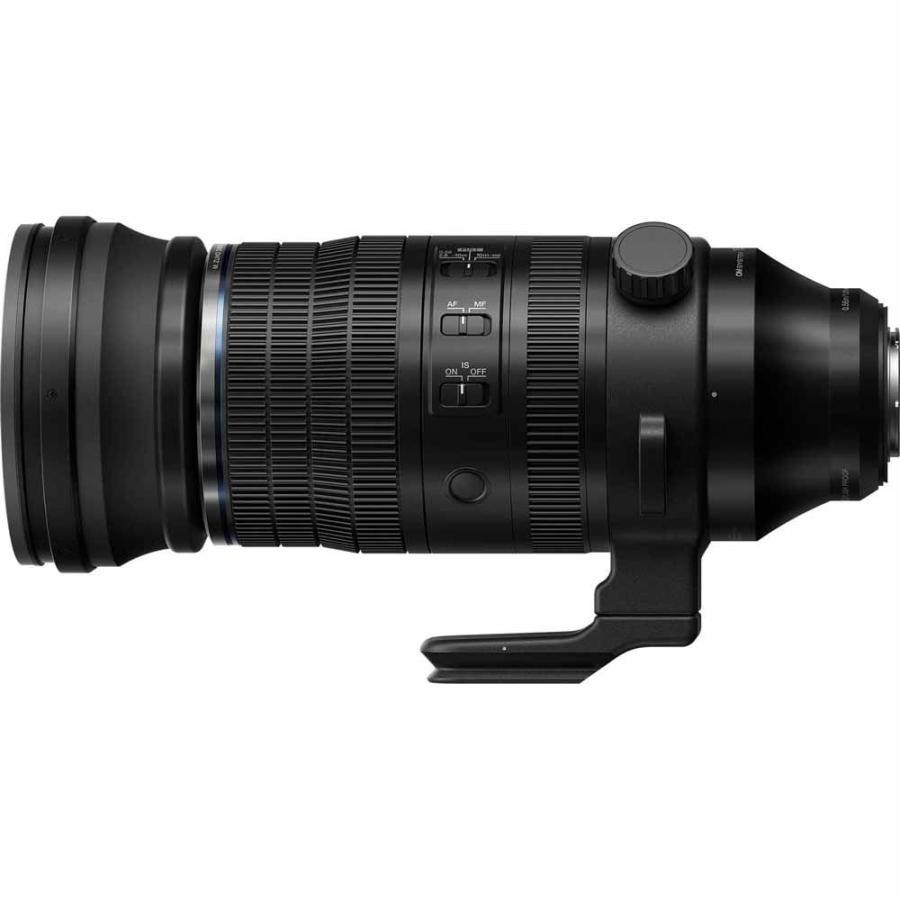
The size difference compounds with lenses. To achieve 600mm equivalent reach on Sony, you need a physical 600mm full-frame lens – massive, heavy, and expensive. On OM SYSTEM, the M.Zuiko 150-600mm f/5-6.3 IS delivers 300–1200mm equivalent at a fraction of the weight and size. Even the zuiko 90mm macro – ideal for nature work – is remarkably compact compared to full-frame macro alternatives.
For travel photography, hiking, and any situation where you’re carrying gear for extended periods, the weight savings make it easier to step out with a full kit and enjoy longer days of shooting. Many photographers report being able to carry a complete OM SYSTEM kit (body, wide-angle zoom, telephoto zoom, macro prime) in a bag that would barely fit a Sony body with one fast zoom.
Sony has addressed portability with compact bodies like the α7C II, but the lenses remain full-frame size. You can’t cheat physics: a full-frame 70-200mm f/2.8 will always be larger than a micro four thirds equivalent, regardless of body design.
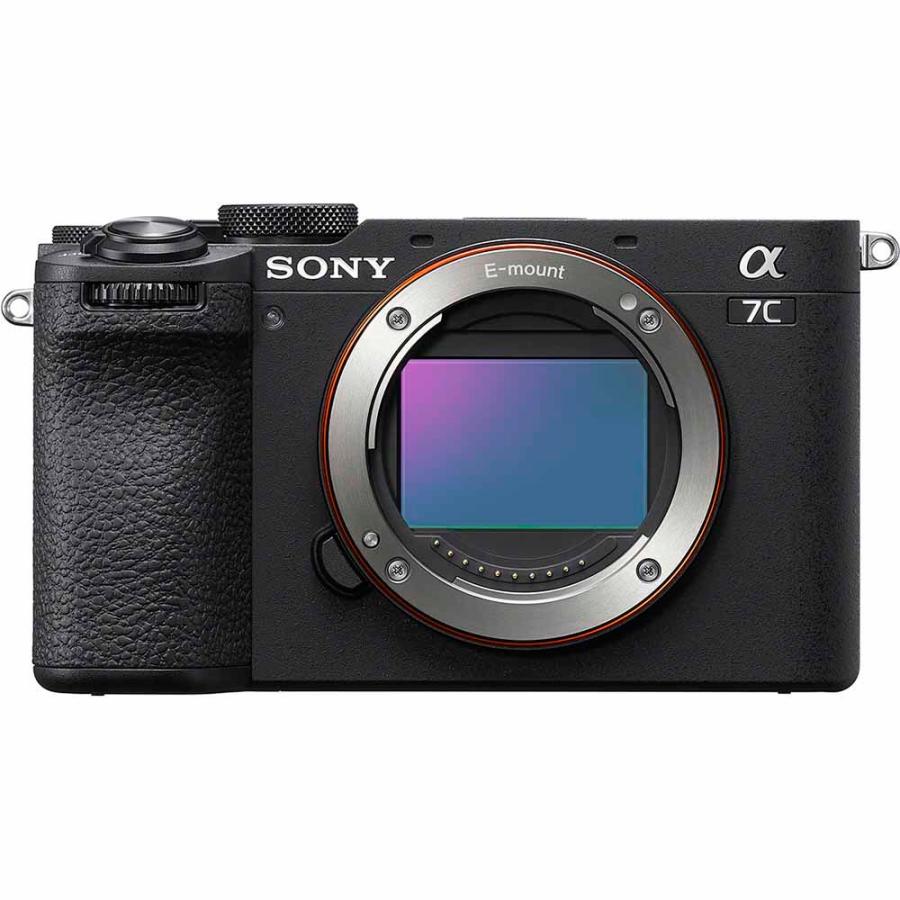
Winner: OM SYSTEM – the four thirds system’s size and weight advantage is substantial and consistent across bodies, lenses, and complete kits. For photographers who prioritize portability, this alone can be a compelling reason to choose OM.
Lens Selection, Wide Angle Lenses, and Ecosystem
Sony’s FE-mount ecosystem is the largest and most diverse in mirrorless photography. With over 70 native lenses spanning G-Master primes, Zeiss co-designed options, and a full range of zooms, plus robust third-party support from Sigma, Tamron, and Samyang, Sony users can find glass for virtually any purpose. Tamron alone plans approximately 10 new lens launches in 2026 across four major mounts including Sony FE, further expanding options. Camera lens shipments from major Japanese brands are at their highest levels in over five years as of early 2026, and Sony benefits disproportionately from this trend.
OM SYSTEM offers a unique lens lineup for creative expression through its M.Zuiko PRO series. Highlights include the 7-14mm f/2.8 PRO (14-28mm full-frame equivalent wide angle), the 90mm f/3.5 Macro IS PRO, and the extraordinary 150-400mm f/4.5 TC1.25× IS PRO with built-in teleconverter – though that last lens carries a premium price tag of $8,999. The system also benefits from compatibility with legacy Olympus MFT lenses, giving long-time four thirds system users continuity in their lens investment.
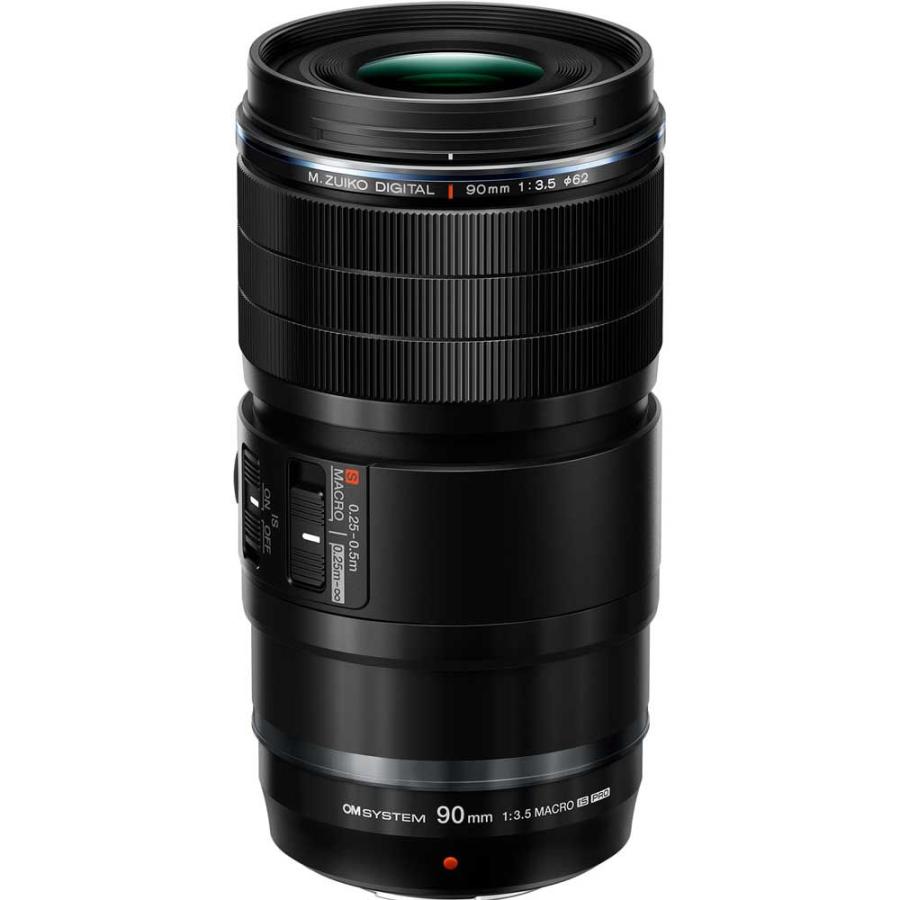
Where Sony excels in breadth, OM SYSTEM excels in specialization. No full-frame system can match the reach-to-weight ratio of MFT telephoto lenses, and OM’s weather-sealed pro optics are ideal for field use. However, OM’s selection of ultra-fast primes (f/1.2 and wider) is limited compared to Sony’s – an important consideration for portrait photographers who want maximum subject isolation and bokeh. For aperture options at the extreme ends, Sony’s ecosystem simply offers more choices.
Winner: Sony – the sheer breadth of native and third-party FE-mount glass, combined with fast prime options and specialty lenses across every category, gives Sony the edge in overall ecosystem strength. OM SYSTEM wins in specific niches – particularly lightweight super telephoto lenses and weather-sealed field optics – but can’t match Sony’s range.
OM SYSTEM vs Sony: Which Should You Choose?
- Choose OM SYSTEM if you shoot wildlife, birds, nature, or adventure photography where portability and weather resistance are non-negotiable. If you hike to your shooting locations, travel extensively with your gear, or regularly work in rain, snow, and cold, OM SYSTEM is built specifically for your world. The M43 crop factor gives you extraordinary telephoto reach in a compact kit, and features like Pro Capture, Live ND, focus stacking, and Starry Sky AF (which locks onto celestial objects in low light conditions for astrophotography) offer creative tools you won’t find elsewhere. OM System gear is designed for outdoor and adventure photography, and it shows in every detail.
- Choose Sony if you need maximum image quality, work in low light, shoot portraits or events where shallow depth of field matters, or want the broadest possible lens selection. Sony’s full-frame sensors deliver superior dynamic range, cleaner high-ISO images, and more resolution for large prints or heavy cropping. If video is a significant part of your workflow – with features like oversampled 4K and professional log profiles – Sony is the stronger hybrid platform. The Sony α7R V or the newer α7 V represent the best all-around full-frame mirrorless cameras you can find in 2026.
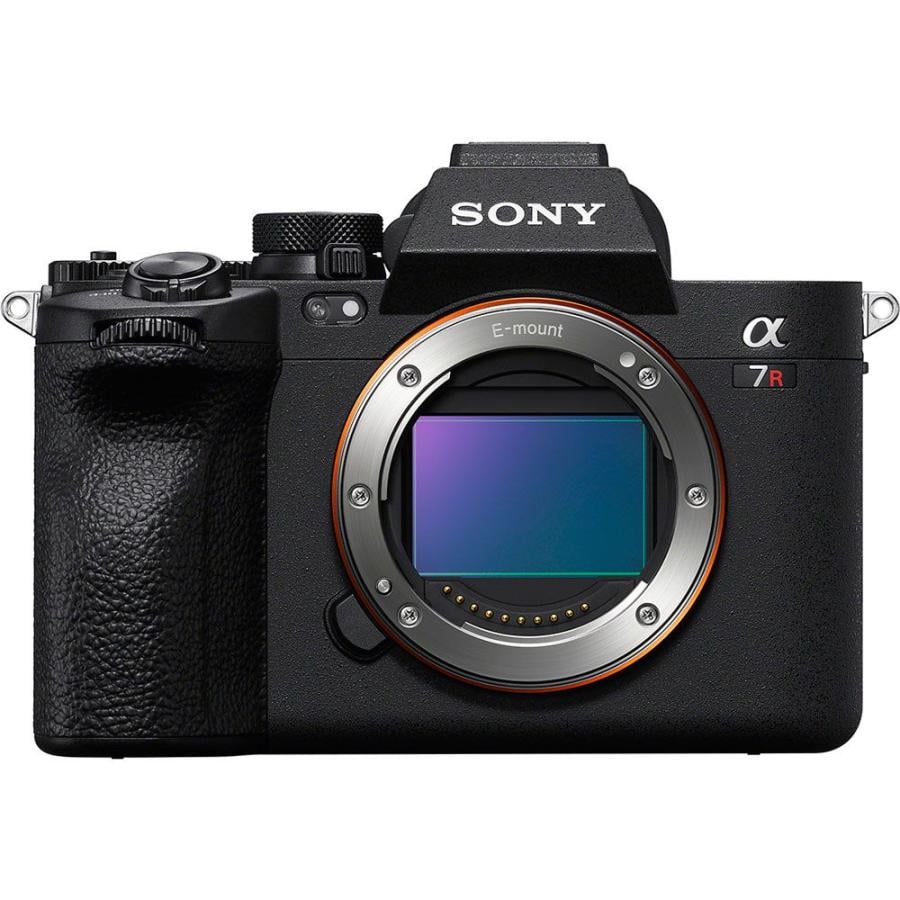
For many photographers who feel curious about stepping into a new system, the honest assessment is this: Sony is the safer, more versatile choice for the broadest range of photography needs. But OM SYSTEM is the better choice for photographers who know exactly what they shoot and prioritize the field advantages that no full-frame system can replicate at the same size and weight. Neither is universally superior – the right camera is the one that matches how you actually use it.
Access tutorials and resources to master photography techniques, and consider joining expert-led events to improve photography skills before committing to either system. Hands-on experience with both will give you the clearest sense of which feels right in your hands and suits your shooting style.
Frequently Asked Questions
Can I get professional results with OM SYSTEM’s smaller sensor?
Absolutely. Many photographers produce professional-grade work with OM SYSTEM cameras across wildlife, nature, editorial, and scientific photography. The OM-1 Mark II’s 20.4 MP sensor delivers images that are more than sufficient for web publication, stock, and prints up to moderate sizes. Computational photography enhances creative outdoor photography through tools like handheld high-res mode – which captures high-resolution images without requiring a tripod – and in-camera focus stacking. OM System also provides tools for sound, expanding its professional toolkit beyond still photography. Where you may hit limitations is extreme low-light work, very large print sizes, or heavy cropping – cases where full-frame sensor advantages become more apparent.
Is it worth switching from one system to the other?
Switching camera systems is a significant investment in both money and learning curve. If you’ve built a substantial lens collection in either system, that investment doesn’t transfer – Sony FE lenses don’t work on OM SYSTEM bodies and vice versa. The practical cost of switching includes selling existing lenses (often at a loss on the used market), purchasing new glass, and relearning menu systems and ergonomics.
That said, photographers who have switched from Sony to OM SYSTEM frequently cite weight reduction as the primary reason – particularly wildlife and travel shooters who found full-frame telephoto kits too heavy for extended field work. Those who have switched from OM SYSTEM to Sony typically cite low-light performance and lens variety as motivations. In both cases, the switch makes the most sense when your shooting priorities have fundamentally changed, not just when new gear catches your eye.
Which system is better for specific photography types?
Below, we break down the best system for each photography type:
Wildlife and birds
- OM SYSTEM is ideal, with the OM-1 Mark II paired with the 150-600mm f/5-6.3 IS delivering 300–1200mm equivalent reach at manageable weight. AI Subject Detection AF tracks specific subjects including birds and animals with impressive accuracy. Pro Capture mode lets you capture the moment before you press the shutter – essential for unpredictable animal behavior.
Landscape
- Both systems excel. OM SYSTEM’s Live ND filters, handheld high-res mode, and weather sealing for harsh outdoor conditions give it practical field advantages. Sony’s wider dynamic range and higher resolution (especially on the A7R series) produce files with more editing flexibility.
Portraits and events
- Sony wins clearly – larger sensors produce shallower depth of field, creamier bokeh, and better subject isolation with fast primes like the 85mm f/1.4 GM. OM SYSTEM’s smaller sensor makes achieving equivalent background blur more difficult.
Travel and adventure
- OM SYSTEM’s compact size, light weight, and rugged construction make it the natural choice. OM SYSTEM cameras are compact and lightweight for outdoor use, and the entire kit – body plus multiple lenses – can weigh less than a single Sony body with one pro zoom.
Astrophotography
- OM SYSTEM’s Starry Sky AF feature is unique and genuinely useful for locking focus on celestial objects in dark sky conditions. However, Sony’s larger sensor collects more light per exposure, producing cleaner long-exposure night sky images with less noise – an important trade-off for serious astro work.
Video
- Sony is the stronger platform for dedicated video work, with oversampled 4K output, professional codec options, and broader accessory support. OM SYSTEM handles casual video well with C4K/4K 60p capability, but it’s not positioned as a video-first tool.
The OM-2 was introduced in 1975 with TTL metering, the OM-4 featured a built-in spot meter and was produced from 1983 to 1987, and the OM-3Ti was released in 1995 – each model in the OM lineage pushed boundaries for its era. The OM-10 offered a shutter speed range of 1s to 1/1000s. Some classic Olympus OM bodies were later discontinued and are now typically sold secondhand rather than new. Today’s OM SYSTEM cameras carry that same philosophy forward: purpose-built tools that do specific things exceptionally well, rather than trying to be everything to everyone. OM System allows live monitoring of long exposures during shooting, continuing a tradition of giving photographers precise creative control in the field.


Comments