Phone cameras are incredibly capable these days — nobody’s disputing that. But there’s something about a photo taken on a dedicated digital camera that feels different. The colors carry a certain weight. Background blur happens naturally, not because an algorithm decided it should. And there’s something about the act of picking up a camera, framing a shot, pressing the shutter — it changes how you look at things.
If you’ve been scrolling through VSCO, Pinterest, or Tumblr wondering how people get that look — the warm grain, the soft tones, the kind of image that feels like it was actually taken by a person — a lot of that comes from shooting on real Japanese cameras. Canon, Nikon, Sony, Fujifilm. These brands built their reputations on image quality and color science that’s hard to replicate with a phone, and they’ve been doing it for decades.
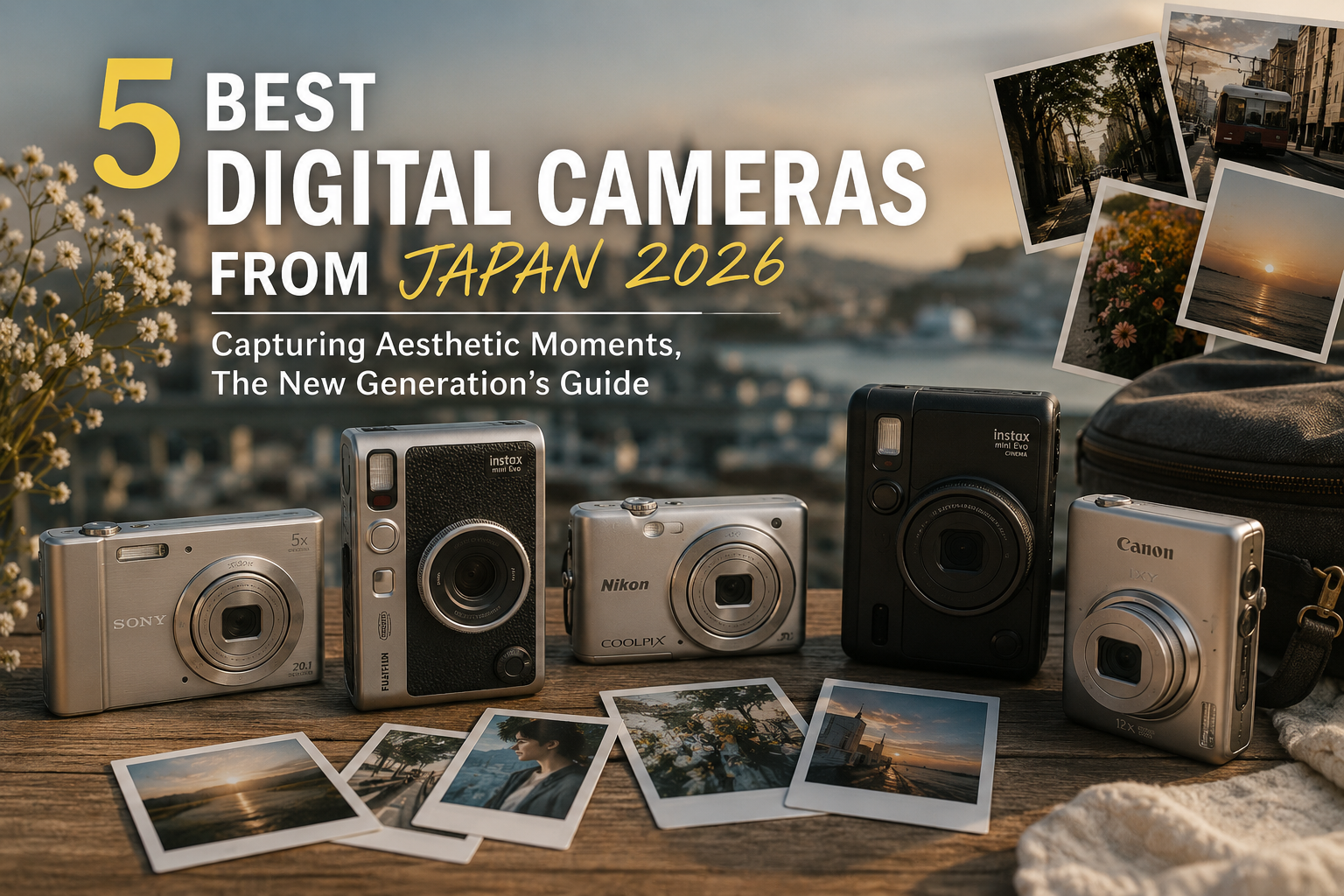
Here are five Japanese cameras worth shooting with in 2026 — from a Sony point-and-shoot beloved for its CCD film-like color to a Fujifilm hybrid that prints your photos on the spot.
- Why Japanese Cameras Have a Look That’s Hard to Copy
- 3 Things Worth Knowing Before You Buy
- #1: Sony Cyber-shot DSC-W800 — The CCD Camera That Defined the Aesthetic Look
- #2: Fujifilm instax mini Evo — The Camera That Prints What It Shoots
- #3: Nikon COOLPIX A100 — When You’re Ready to Shoot Seriously
- #4: Fujifilm instax mini Evo Cinema — The Most Interesting New Camera of 2026
- #5: Canon IXY650m — The Zoom You Didn’t Know You Needed
- Quick Comparison: Five Cameras, Five Different Shooting Personalities
- Frequently Asked Questions (FAQ)
- What is the best digital camera for beginners who want aesthetic photos in 2026?
- Why do photos taken on a digital camera look more “emotive” or “aesthetic” than phone photos?
- What makes Fujifilm cameras popular for aesthetic photography?
- What is a CCD sensor and why do people prefer it for aesthetic photos?
- Which camera on this list is best for building an Instagram or social media aesthetic?
- Can I transfer photos from these cameras to my phone for editing?
- What is the Fujifilm instax mini Evo Cinema and is it worth it?
- What does “optical zoom” mean, and does it matter for aesthetic photography?
- Final Thoughts: Real Cameras, Real Character
Why Japanese Cameras Have a Look That’s Hard to Copy
It’s not just marketing — there’s a real reason Japanese camera brands are associated with a specific quality of image. Companies like Sony, Fujifilm, Canon, and Nikon have spent decades developing their own color profiles and image processing engines. Fujifilm’s film simulations are modeled directly on their analog film stocks. Sony’s CCD sensors produce a highlight rolloff and color saturation that’s difficult to replicate in post-processing. Canon and Nikon have color science tuned for natural, flattering results that just look good without much editing.
There’s also an intentionality that comes with carrying a dedicated camera. When your camera isn’t your phone, you slow down a little. You think about what you’re pointing it at. That small shift in mindset is part of what makes the photos feel more considered — and more like yours. For a deeper look at how different cameras compare technically, DPReview’s buying guides are one of the best free resources available.
3 Things Worth Knowing Before You Buy
Spec sheets can feel overwhelming. In practice, there are really only three things worth paying attention to as a first-time buyer:
- Megapixels — how much detail you’re capturing: One megapixel equals one million pixels of image data. More means more detail when you crop or zoom in during editing. For social media, 12–20MP covers everything you’d need. The important thing isn’t hitting a specific number — it’s understanding what you’re getting.
- Optical zoom vs. digital zoom: Optical zoom physically adjusts the lens to bring subjects closer, keeping the image sharp. Digital zoom just crops and enlarges — the same as pinching on a phone screen, with the same blurry result. When you see zoom listed on a camera, always check that it’s optical.
- CCD vs. CMOS sensors — and why it matters for aesthetic shooting: Most modern cameras use CMOS sensors, which are efficient and great in low light. CCD sensors, found in older and certain current Sony models, produce a different kind of image — warmer highlights, softer color transitions, a certain analog quality that’s become highly sought-after for aesthetic photography. It’s a genuine stylistic difference, not just a spec on paper.
#1: Sony Cyber-shot DSC-W800 — The CCD Camera That Defined the Aesthetic Look
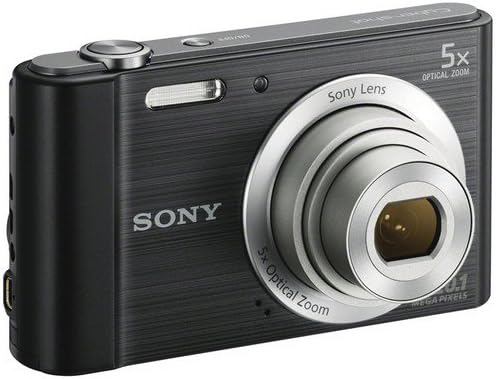
Our rating: ★4.5
The Sony Cyber-shot DSC-W800 is one of those cameras that became more popular years after its release than when it first came out. In 2025 and into 2026, it’s become a go-to recommendation in aesthetic photography communities for one specific reason: its CCD sensor. While most cameras have moved to CMOS technology, the W800 still uses a Super HAD CCD sensor, and the images it produces have a warmth, a soft highlight rolloff, and a color saturation that looks closer to film than to a phone camera. It’s a genuine quality, not a filter.
The specs are straightforward: 20.1 megapixels, 5x optical zoom covering 26–130mm, a 2.7-inch LCD, and Sony’s SteadyShot image stabilization. The 26mm wide end is useful for street scenes and environments where you want to capture context, not just subjects. The camera is also light and genuinely pocketable — 125g and slim enough to slip into a jacket pocket without thinking about it.
If the look you’re chasing is that warm, slightly nostalgic digital photo quality that photographs have when they feel like they were actually taken by a person rather than a device, the W800 is one of the most direct routes to it. It’s unpretentious, affordable, and quietly produces images that look beautiful with minimal editing.
Best for
- Aesthetic and film-inspired photography on a budget
- Everyday carry shooting — cafes, travel, street scenes, friends
- Anyone who wants that CCD color quality without hunting for vintage gear
#2: Fujifilm instax mini Evo — The Camera That Prints What It Shoots
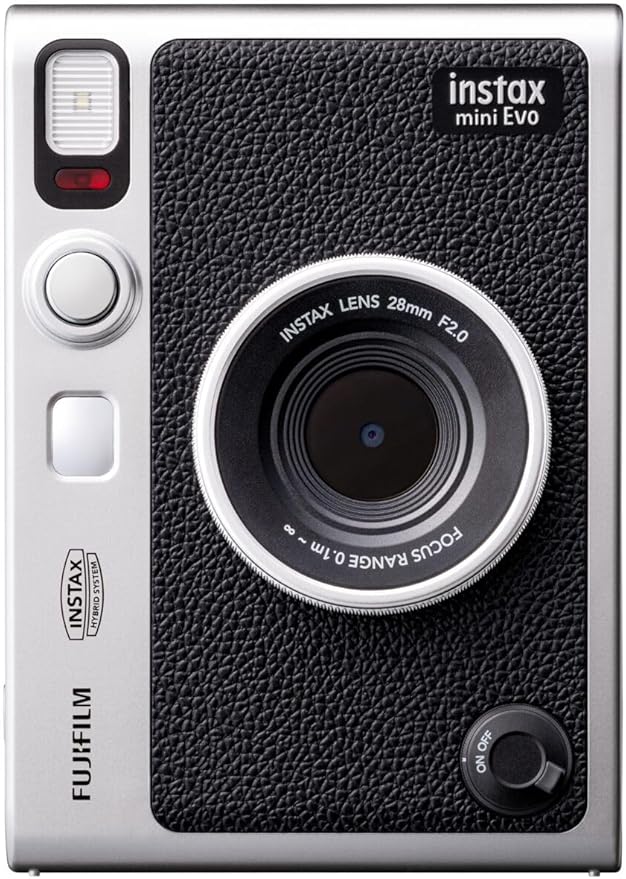
Our rating: ★4.7
The Fujifilm instax mini Evo occupies a category of its own. It’s a hybrid camera — part digital point-and-shoot, part instant film printer — and the combination is genuinely compelling for anyone interested in photography as a creative and tactile experience. You shoot digitally, select the photo you want, and the camera prints it out on real instax mini film. The result is a physical print, in your hand, within seconds.
What makes it more than a novelty is the creative control. Ten lens effects and ten film effects can be combined in 100 different ways, giving you a real range of aesthetic options in-camera before you even think about editing. Fujifilm modeled these effects on their legendary film stocks — Velvia, Provia, Classic Chrome — and the results reflect that heritage. There’s also a retro design that won the Red Dot Design Award “Best of the Best” in 2024: a silver body, physical dials, and a lever styled after an old film advance mechanism. It looks as good as the photos it takes.
The instax mini Evo has built a strong following among younger photographers who want something that bridges digital convenience and the tangible, collectible quality of film photography. Sharing a printed photo from a camera you’re holding is a different experience from sending a file — and for many people, that difference matters.
Best for
- Creative photography with built-in film effects and instant prints
- Events, travel, and moments you want to hold in your hands, not just scroll past
- Anyone drawn to the aesthetic and feel of film photography without the cost of shooting actual film
Browse Fujifilm cameras on Discovery Japan Mall →
#3: Nikon COOLPIX A100 — When You’re Ready to Shoot Seriously
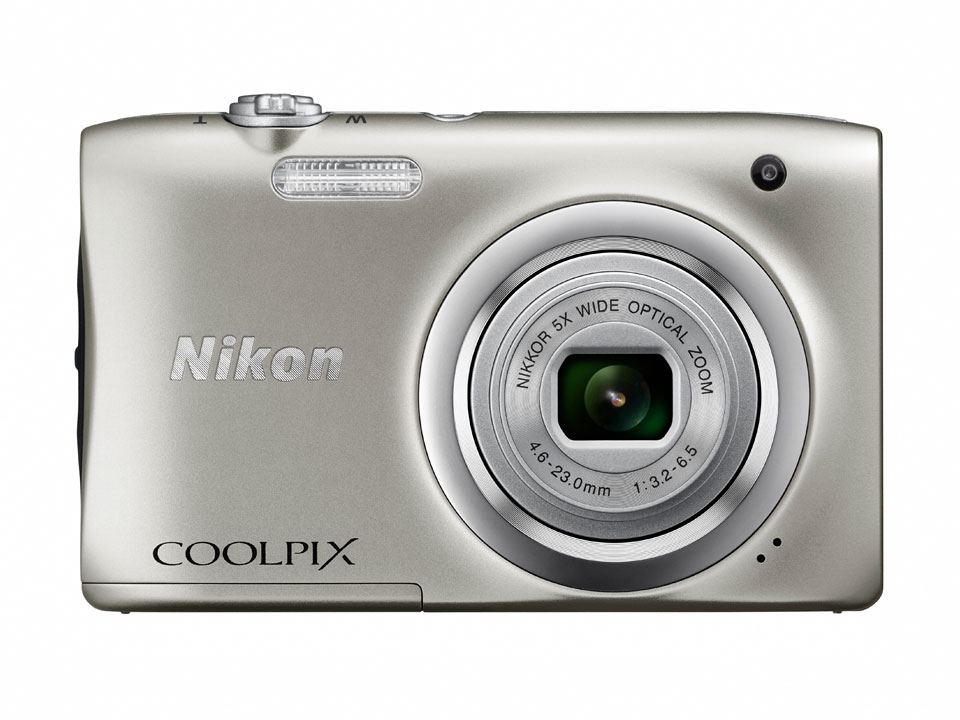
Our rating: ★4.6
The Nikon COOLPIX A100 is where things start to feel more deliberate. At 20.05 megapixels — the highest resolution on this list — with 5x optical zoom, this is a camera for people who actually want to work with their photos: crop them, edit them, study the detail, develop a visual style over time. Nikon’s color science produces accurate, well-saturated images that have real depth to the files, giving you something substantial to work with in Lightroom, VSCO, or whatever you edit in.
The silver colorway is a genuine aesthetic choice — it has the clean, classic compact camera look that fits naturally alongside the kind of intentional photography that’s popular right now. And “shot on Nikon” carries a different visual signature from smartphone images. It’s not just about resolution — it’s the optical character of a real Nikkor lens and image processing refined over more than a century of camera-making.
If you’re thinking seriously about developing a photography style — building a consistent look for a social media presence, shooting travel photos you’ll actually want to frame, or just moving from casual snapping to something more considered — the A100 is a camera that supports that ambition without overwhelming you with complexity.
Best for
- Photography enthusiasts who want high-resolution files to edit and develop a style with
- Building a consistent visual identity for social media or a personal portfolio
- Travel and street photography where color accuracy and detail matter
Browse Nikon cameras on Discovery Japan Mall →
#4: Fujifilm instax mini Evo Cinema — The Most Interesting New Camera of 2026
Our rating: ★4.5
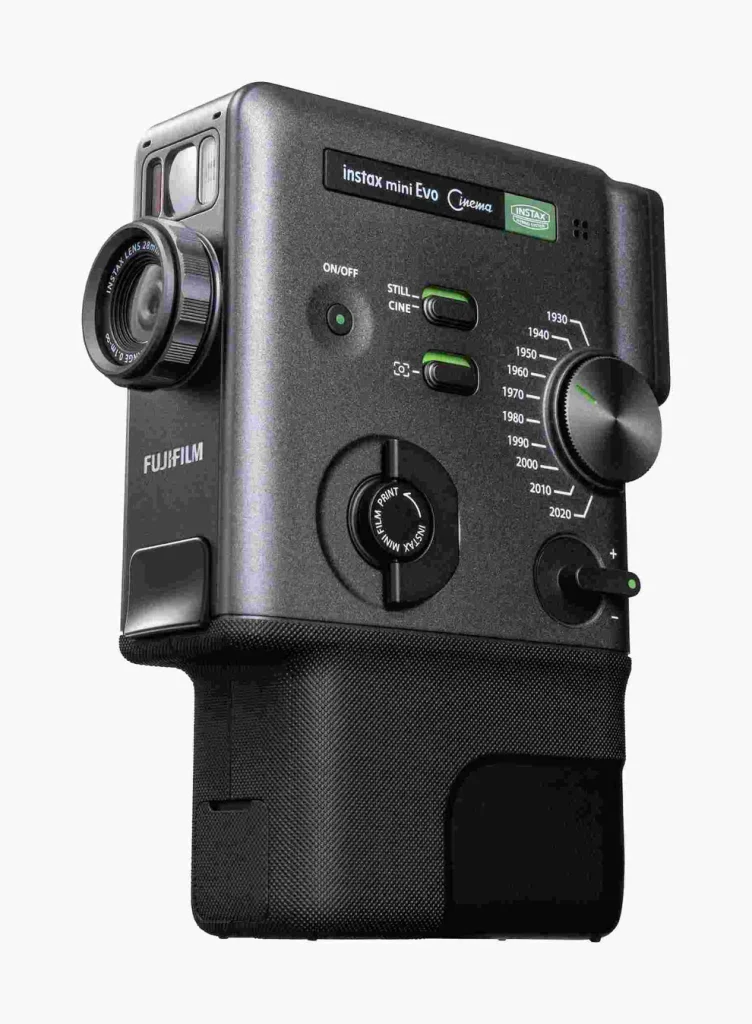
The instax mini Evo Cinema is the newest camera on this list, announced by Fujifilm at the start of 2026, and it’s immediately one of the most distinctive things in the compact camera market. The design is inspired by Super 8 cine cameras from the 1960s — held vertically, with a trigger-style shutter button and a tactile analog grip. It’s a camera that genuinely looks unlike anything else you could carry.
The standout feature is the Eras Dial, which applies decade-specific aesthetic presets to both stills and video — from the grain and warmth of the 1930s through to the digital clarity of the 2020s. Each era processes not just the image but also the audio of recorded video, adding era-appropriate sound characteristics that make the whole thing feel genuinely immersive. For anyone interested in photography as a form of creative expression rather than just documentation, the Evo Cinema gives you a range of visual languages to shoot in without touching a single editing app.
Like the original mini Evo, it can print directly to instax mini film. Shoot, select, print — a physical photo in seconds. The camera initially launched in Japan before rolling out globally, which reflects how well-tuned Fujifilm is to Japanese photography culture and the direction the market is moving. This is a camera for people who want to make images that feel intentional, tactile, and genuinely different from everything else on their camera roll.
Best for
- Creative photographers who want to explore different visual aesthetics in-camera
- Content creators looking for a camera with a distinctive look and feel
- Anyone who wants the newest, most interesting thing in compact camera design right now
Browse Fujifilm cameras on Discovery Japan Mall →
#5: Canon IXY650m — The Zoom You Didn’t Know You Needed
Our rating: ★4.7
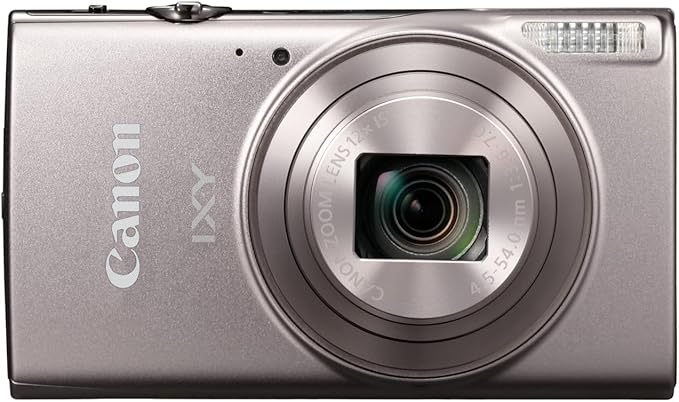
Canon’s IXY series has been a fixture of Japanese compact camera culture for years, and the IXY650m is a strong example of why it’s endured. The headline spec is its 12x optical zoom — a level of reach that genuinely changes what you can photograph. Compress a busy street scene until the background fills the entire frame. Pull in a detail from across a park. Frame a portrait from a comfortable distance so your subject forgets they’re being photographed. At 12x, compositional possibilities open up that aren’t available on any other camera on this list.
Canon’s image processing has always been known for producing rich, warm colors and flattering results that look good without heavy editing. The IXY650m delivers that in a compact silver body, and the built-in Wi-Fi makes transferring photos to your phone wireless and effortless — useful when you want to post something before the moment passes. More technical details at the Canon IXY official website.
For photographers interested in compressed, telephoto-style compositions — those shots where background elements press forward and the whole frame feels layered and dense — the IXY650m is the only camera on this list that makes that aesthetic possible. It’s a less obvious choice, but the right one for a specific and very deliberate creative direction.
Best for
- Photographers drawn to compressed, telephoto-style compositions
- Travel and street shooting where creative distance from your subject matters
- Anyone who wants wireless sharing alongside serious zoom capability
Browse Canon cameras on Discovery Japan Mall →
Quick Comparison: Five Cameras, Five Different Shooting Personalities
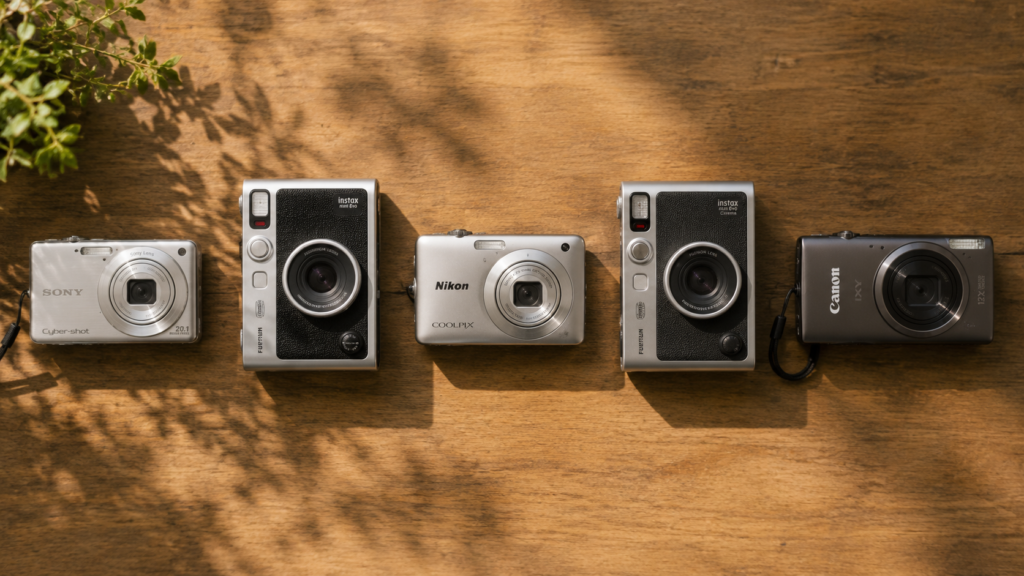
Each camera on this list produces a genuinely different kind of image. Here’s the short version of which one suits which approach:
| Camera | Brand | Rating | Image Character | Best For | Browse |
|---|---|---|---|---|---|
| Sony Cyber-shot DSC-W800 | Sony | ★4.5 | Warm CCD tones, analog feel | Film-look aesthetic, everyday carry | Browse → |
| Fujifilm instax mini Evo | Fujifilm | ★4.7 | Film-simulated, printable | Creative shooting, instant prints, events | Browse → |
| Nikon COOLPIX A100 | Nikon | ★4.6 | Sharp, accurate, edit-ready | Developing a visual style, serious beginners | Browse → |
| Fujifilm instax mini Evo Cinema | Fujifilm | ★4.5 | Decade-era presets, cinematic | Creative expression, content creators | Browse → |
| Canon IXY650m | Canon | ★4.7 | Rich color, telephoto compression | Zoom lovers, travel, layered compositions | Browse → |
Frequently Asked Questions (FAQ)
What is the best digital camera for beginners who want aesthetic photos in 2026?
The best digital camera for beginners shooting aesthetic photos in 2026 depends on the look you’re after. For that warm, film-like quality, the Sony Cyber-shot DSC-W800 is a strong starting point thanks to its CCD sensor. For more creative control and the ability to print photos on the spot, the Fujifilm instax mini Evo is hard to beat. You can explore both on Discovery Japan Mall’s digital camera page.
Why do photos taken on a digital camera look more “emotive” or “aesthetic” than phone photos?
Dedicated cameras produce a different quality of image because of their physical optics, dedicated image processors, and — in some cases — sensor types that smartphones don’t use. Real lenses create natural background blur and optical character that computational photography tries to simulate but rarely replicates convincingly. CCD sensors, like the one in the Sony W800, produce color and highlight tones that are particularly close to analog film. There’s also a slower, more intentional approach to shooting that naturally produces more considered photographs.
What makes Fujifilm cameras popular for aesthetic photography?
Fujifilm cameras are popular for aesthetic photography primarily because of their film simulations — built-in color profiles modeled on Fujifilm’s classic analog film stocks like Velvia, Provia, and Classic Chrome. These give images a distinctive look straight out of camera that aligns closely with the warm, saturated, or muted aesthetics popular on social media. The instax mini Evo adds a print-based creative dimension on top of that, making the photography experience itself more tangible and expressive.
What is a CCD sensor and why do people prefer it for aesthetic photos?
A CCD (charge-coupled device) sensor is an older sensor technology that captures light differently from the CMOS sensors found in most modern cameras and smartphones. CCD images tend to have warmer color tones, softer highlight transitions, and a certain analog quality that’s difficult to replicate in post-processing. The Sony Cyber-shot DSC-W800 is one of the few current compact cameras that still uses a CCD sensor, which is a significant part of why it’s become popular in aesthetic photography communities.
Which camera on this list is best for building an Instagram or social media aesthetic?
For building a consistent social media aesthetic, the camera depends on the look you’re going for. The Sony DSC-W800 gives you that CCD warmth that’s hard to fake. The Fujifilm instax mini Evo offers 100 in-camera creative combinations across lens and film effects. The Nikon COOLPIX A100 gives you 20MP files with room to crop and edit extensively. And the Canon IXY650m’s 12x zoom opens up telephoto compression that’s very distinctive on a feed.
Can I transfer photos from these cameras to my phone for editing?
Yes. The Canon IXY650m has built-in Wi-Fi for wireless transfer via the Canon app — the most seamless option on this list. The Fujifilm instax mini Evo and Evo Cinema connect to Fujifilm’s instax app for wireless transfer and additional editing options. The Sony DSC-W800 and Nikon COOLPIX A100 use a standard SD card, transferable via a card reader adapter. Once on your phone, you can edit in Lightroom Mobile, VSCO, or any other app you prefer. For technical comparisons of camera connectivity, DPReview’s buying guides are a solid reference.
What is the Fujifilm instax mini Evo Cinema and is it worth it?
The Fujifilm instax mini Evo Cinema is a 2026 hybrid instant camera inspired by 1960s Super 8 cine cameras. Its signature feature is an Eras Dial that applies decade-specific presets — from 1930s grain to 2020s clarity — to both stills and video, including era-appropriate audio processing. Like the original mini Evo, it can print directly to instax mini film. It launched first in Japan before rolling out globally. For anyone who wants a camera that’s genuinely expressive and unlike anything else on the market, it’s worth serious consideration.
What does “optical zoom” mean, and does it matter for aesthetic photography?
Optical zoom physically adjusts the camera’s lens to magnify a subject without reducing image quality — unlike digital zoom, which crops and enlarges the image in software and produces blurry results. For aesthetic photography, optical zoom opens up telephoto compression — a technique where longer focal lengths flatten perspective and make backgrounds press forward, creating a dense, layered look that’s very popular in portrait and street photography. The Canon IXY650m at 12x is the standout choice for that approach on this list.
Final Thoughts: Real Cameras, Real Character
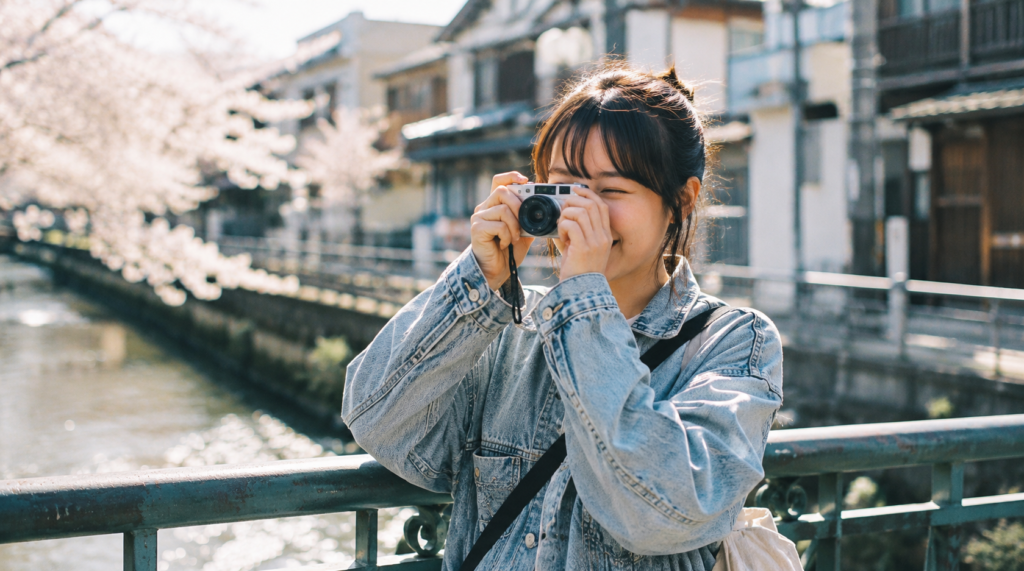
Phones have gotten very good at looking like cameras. But there’s still something different about picking up a Sony, a Fujifilm, a Nikon, or a Canon — something in how they see light, render color, and reward slowing down to look properly at something before you shoot it. That difference is why people keep coming back to dedicated cameras, and why Japanese camera brands in particular have built the reputations they have.
All five cameras on this list are available through Discovery Japan Mall, shipped directly from Japan to wherever you are. If you’ve been thinking about picking up a dedicated camera and haven’t made the move yet, any of these is a genuinely good place to start.


Comments