
Shopping for exclusive Japanese goods has never been easier. Whether you’re a seasoned collector or a first-time buyer, understanding how to navigate proxy services is the key to unlocking the best of Japan.
Japanese products are known for their quality, unique design, and often, their exclusivity. Whether you’re looking for a rare Pokemon card, a Japan-only Casio G-Shock, or high-end fishing gear from Shimano, you’ve likely hit a wall: many Japanese online stores don’t ship internationally. This is where a Japan proxy service becomes your best friend.
But navigating the world of Japanese shopping isn’t always straightforward. Between language barriers, complex fee structures, and the logistics of international shipping, it’s easy to feel overwhelmed. This guide will walk you through everything you need to know to master the process and get your Japanese haul safely to your doorstep.
- What is a Japanese proxy service?
- Choosing the right proxy for your needs
- How to use a Japan proxy service in 5 easy steps
- Mastering the costs: Shipping, fees, and customs
- Pro tips for finding the best deals in Japan
- Shop 74,000+ Japan-made products with Discovery Japan Mall
- Frequently Asked Questions
- What is a Japan proxy service and how does it work?
- Which Japan proxy service is the cheapest for international shipping?
- Is it safe to use a Japan proxy service for high-value items?
- Can I buy from Mercari or Yahoo! Auctions with a Japan proxy service?
- How much are the typical service fees for a Japan proxy service?
- How long does it take for a Japan proxy service to deliver my package?
- Do I have to pay customs duties when using a Japan proxy service?
What is a Japanese proxy service?
A Japan proxy service acts as a middleman between you and Japanese retailers. Think of them as a personal shopper and a domestic shipping address rolled into one. They buy the items on your behalf, receive them at their warehouse in Japan, and then ship them to your international address.
The core problem is that major Japanese marketplaces like Mercari, Yahoo! Auctions, and Rakuma often require a Japanese credit card or a Japanese phone number for registration. Even stores that accept international payments often lack the infrastructure to handle overseas logistics. By using a proxy, you gain access to a local address and a team that understands the nuances of Japanese commerce.
Beyond just buying, these services provide essential support like:
- Multilingual interfaces: You can search and shop in English, Chinese, or other languages without needing to know a single Kanji character.
- Secure warehousing: Most proxies offer free storage for several weeks, allowing you to wait for multiple items to arrive.
- Consolidation: They can combine several small packages into one large box, which is the single best way to save on international shipping.
Choosing the right proxy for your needs
Not every proxy is built the same. Some focus on low fixed fees, while others prioritize high-touch customer support. Your choice should depend on what you’re buying and how much help you need.
Ease of use: Buyee and ZenMarket
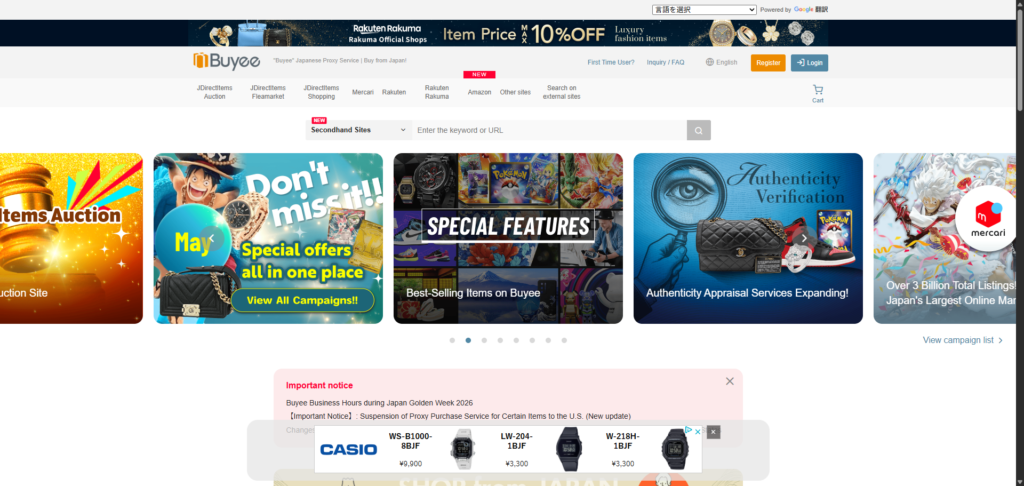
For most casual shoppers, Buyee and ZenMarket are the top choices. They both integrate major marketplaces like Mercari and Yahoo! Auctions directly into their search bars, making the experience feel like any other e-commerce site.
High-touch service: Japan Rabbit
If you’re a serious collector or need to buy from a niche store that blocks proxies, Japan Rabbit (formerly White Rabbit Express) is the way to go. They offer more human interaction and can even negotiate with sellers or handle in-store pickups in Tokyo.
Cost-efficiency: Neokyo and FromJapan
If you’re buying in bulk or want the absolute lowest fees for consolidation, services like Neokyo or FromJapan are often preferred by seasoned shoppers. They might have a slightly steeper learning curve but can save you money on large orders.
| Feature | Buyee | ZenMarket | Japan Rabbit |
|---|---|---|---|
| Service Fee | ¥500 per order | ¥300-¥800 per item | Sliding scale (1.2% – 9.9%) |
| Free Storage | 30 days | 60 days | 45 days |
| Consolidation | ¥500 – ¥1,000 | Free | $2.50 per package |
| Best For | Beginners & Mercari users | Bulk buyers and long storage | Collectors & high-value items |
How to use a Japan proxy service in 5 easy steps
Let’s break down the actual process. While each platform looks different, the workflow is almost identical across the board.
Step 1: Find your items using Japanese keywords
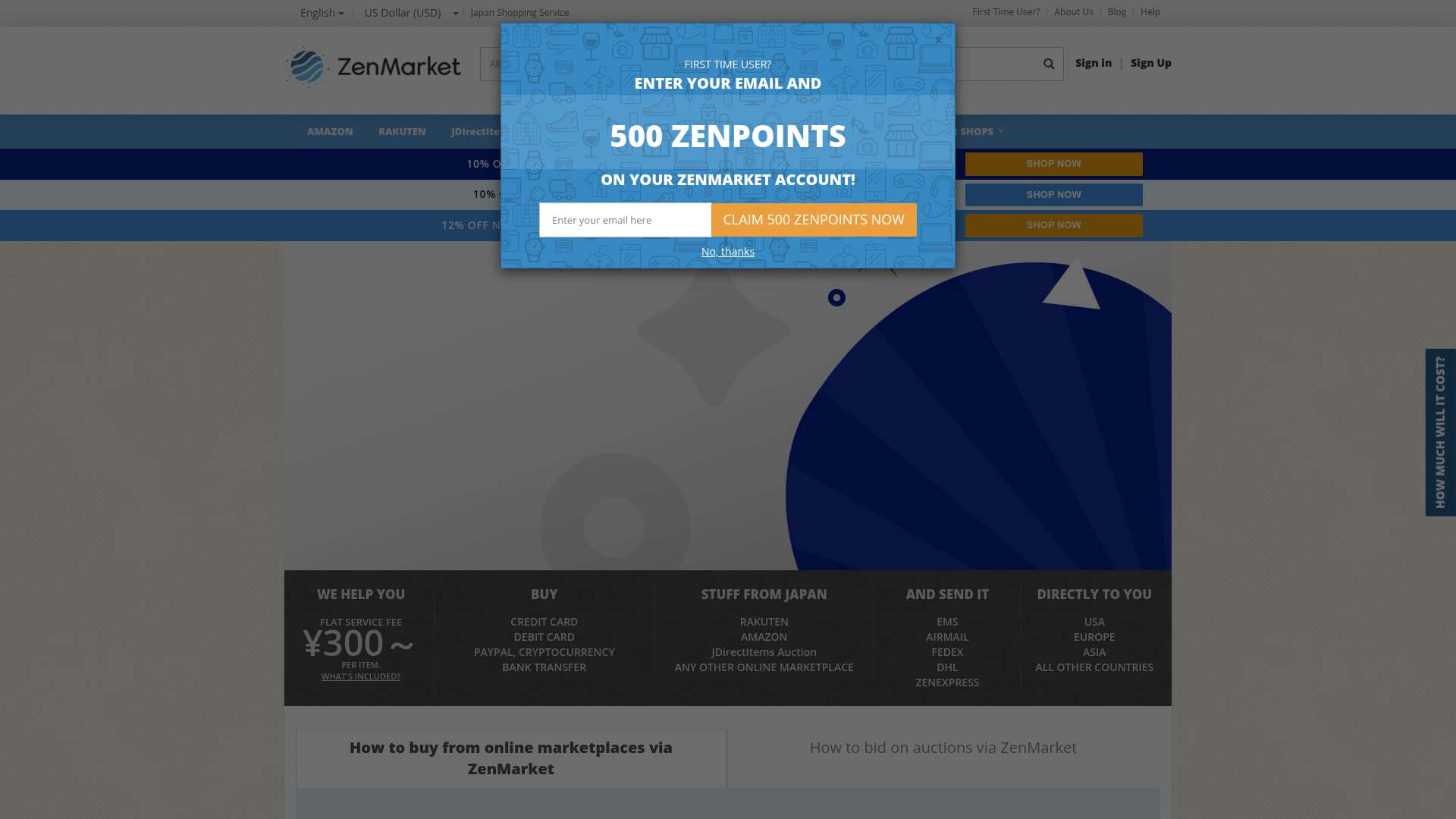
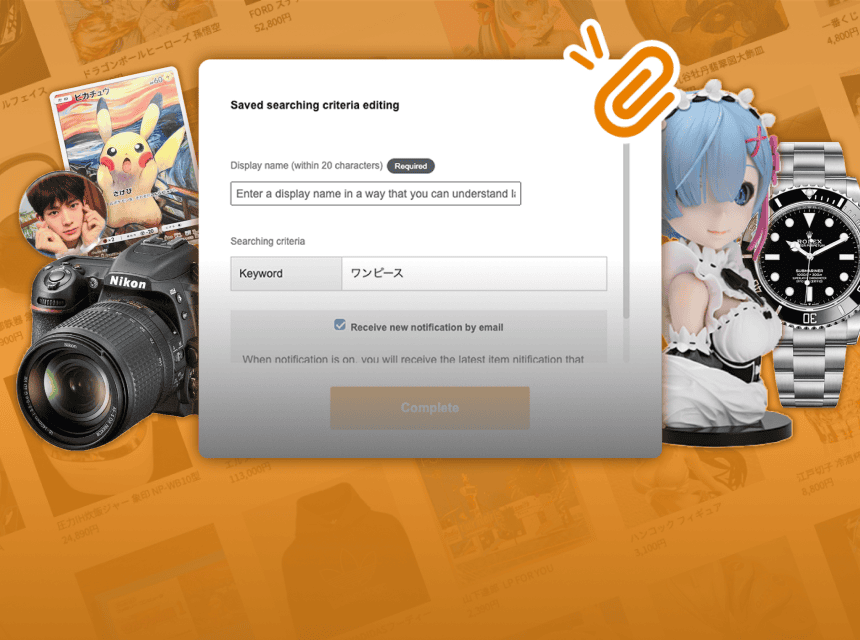
While many proxies have English search, the best deals are often hidden under Japanese titles. Sellers on Mercari or Yahoo! Auctions often don’t include English keywords. Using terms like “フィギュア” (Figure) or “限定” (Limited) will unlock thousands of listings you’d otherwise miss.
Step 2: Add funds and place your order
Once you’ve found your item, you’ll either “Direct Buy” it (for fixed-price stores) or place a bid (for auctions). Most proxies require you to load a balance into your account first using PayPal, a credit card, or Alipay. For auctions, you’ll set a maximum bid, and the proxy’s system will bid for you automatically.
Step 3: Wait for items to arrive at the warehouse
After the proxy successfully buys your item, the seller ships it to the proxy’s warehouse. This usually takes between 1 and 7 days. You’ll get an email notification when it arrives. At this stage, you can often request photos (usually for a small fee) to verify the condition before it leaves Japan.
Step 4: Consolidate and choose shipping
If you’ve bought items from different sellers, this is where you save money. You can apply for consolidation, which means the warehouse staff will take everything out of their original shipping envelopes and pack them into one sturdy box.
You’ll then choose your shipping carrier:
- EMS (Japan Post): The gold standard. It’s fast (4-8 days), reliable, and includes full tracking.
- FedEx/DHL/UPS: The fastest options (1-4 days) but often more expensive. They are great for heavy or high-value items.
- Surface/Sea Mail: The cheapest option but takes 1 to 3 months. Only use this if you’re in no rush and shipping something very heavy.
Step 5: Pay international shipping and clear customs
After your items are packed, the proxy will give you the final weight and cost. You pay the international shipping fee, and your package is sent. You’ll receive a tracking number so you can follow its progress. The key thing to remember is that you might also have to pay import taxes or duties when the package arrives in your country.
Mastering the costs: Shipping, fees, and customs
The total price of your item isn’t just the sticker price you see on the store. To avoid “sticker shock” at the end, you need to account for five distinct layers of cost:
- Item Price: The actual cost of the product.
- Domestic Shipping: The cost to ship the item from the seller to the proxy’s warehouse (often ¥0 – ¥800).
- Proxy Service Fee: What you pay the platform (typically ¥300 – ¥800).
- International Shipping: The cost to get it to your country (the largest variable).
- Customs and Taxes: Depends on your local laws.
In 2025 and 2026, there has been a major shift toward DDP (Delivered Duty Paid) models. For example, some proxies shipping to the USA now collect a flat 15.5% tariff at checkout. This helps you avoid the surprise “brokerage fees” that carriers like DHL sometimes charge upon delivery. For more details on what to expect, you can check our guide on customs duties.
Pro tips for finding the best deals in Japan
If you want to shop like a local, you need to know when and where to look. Japan has several major discount seasons where prices on sites like Rakuten or Amazon Japan drop significantly.
- Discount Seasons: The biggest sales happen in the summer (July/August), during the New Year “fukubukuro” (lucky bag) period, and the year-end clearance in December.
- Niche Categories: Certain categories are much better to buy directly from Japan.
- Watches: You can find official Japanese watch models that never make it to Western markets.
- Hobby and TCG: Collector items like Pokemon cards or anime figures are often 30% to 50% cheaper in Japan before the “export markup.” You can browse our Hobby selection to see the range available.
- Fishing Gear: Serious anglers know that JDM (Japan Domestic Market) reels from Shimano or Daiwa often have features not available in global models. Check out our Sports & Outdoors section for the latest gear.
Bottom line? Don’t just search in English. Use a translator to find the specific model numbers or names of the Japanese brands you love.
Shop 74,000+ Japan-made products with Discovery Japan Mall
If the bidding process on Yahoo! Auctions or the complexity of Mercari feels like too much work, there is a simpler way. At Discovery Japan Mall, we specialize in bringing authentic Japanese products directly to you.
We maintain a catalog of over 74,000 Japan-made items, ranging from electronics and automotive parts to cosmetics and traditional crafts. Unlike a standard proxy, we operate as a direct online shopping mall, which means:
- No bidding required: You can buy items directly from our catalog at a price you see upfront.
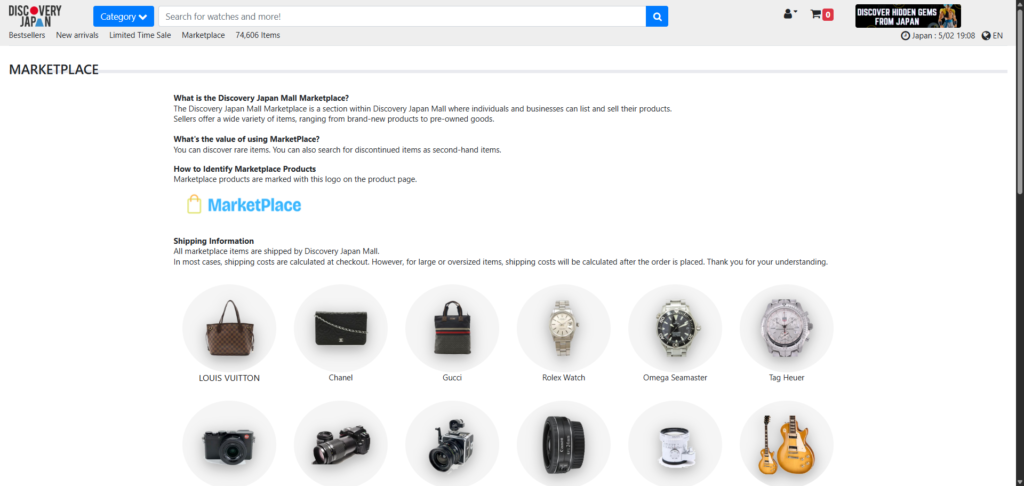
- Marketplace support: If you can’t find what you’re looking for, our Marketplace service can help you source specific items.
- Global reach: We are committed to “conveying Japan to the world,” delivering high-quality products to almost every corner of the globe.
Ready to see what’s popular? Check out our bestsellers or browse the new arrivals to find the latest releases from Japan. Whether you use a proxy or shop with us directly, the goal is the same: getting you the best of Japan without the headache.
Frequently Asked Questions
What is a Japan proxy service and how does it work?
A Japan proxy service acts as a middleman for international shoppers. We buy products from Japanese websites like Mercari or Yahoo! Auctions on your behalf and then ship them to your international address since those stores often don’t ship overseas directly.
Which Japan proxy service is the cheapest for international shipping?
There is no single cheapest Japan proxy service as costs depend on the item weight and destination. However, services like ZenMarket offer free consolidation, while others like Buyee provide frequent shipping coupons. Always use a shipping calculator before ordering to estimate your total cost.
Is it safe to use a Japan proxy service for high-value items?
Yes, it’s generally safe if you choose a reputable Japan proxy service that offers inspection and insurance plans. For expensive items, we recommend paying for the ‘Standard’ or ‘Insured’ plans to protect yourself against damage during transit or potential seller scams.
Can I buy from Mercari or Yahoo! Auctions with a Japan proxy service?
Absolutely. Most modern Japan proxy service platforms have direct integrations with Mercari and Yahoo! Auctions, allowing you to search, bid, and purchase items using your proxy account balance.
How much are the typical service fees for a Japan proxy service?
Most platforms charge between ¥300 and ¥800 per item or order as a standard Japan proxy service fee. Some premium services use a percentage-based sliding scale for high-value purchases. Remember to also account for consolidation and protective packaging fees if applicable.
How long does it take for a Japan proxy service to deliver my package?
The delivery time varies by the shipping method you choose. With express options like FedEx or DHL, your Japan proxy service package could arrive in 1-4 days. Standard EMS takes about a week, while surface mail can take up to three months.
Do I have to pay customs duties when using a Japan proxy service?
Yes, most international shipments are subject to local import taxes. Some Japan proxy service providers now offer DDP (Delivered Duty Paid) options where you pay the estimated tax at checkout to avoid delays and extra fees upon delivery in your country.


Comments